
Lieferung heute & morgen

Qualitätsgarantie

Willkommens-Angebote freischalten: KOSTENLOSE Lieferung | Bis zu 80 % RABATT | Kostenlose 30-Tage-JoyPlus-Testphase
App herunterladen
Anyone looking to buy Whey Protein Powder will find numerous products making similar claims: high protein content, fast dissolving, BCAAs and an especially creamy taste. However, comparing prices alone is not enough. What matters is how many servings are actually included, which nutritional values apply per 100 grams, and whether the ingredients and allergens suit your needs.
Some products state their protein content per serving, while others give it per 100 grams. The figure may also refer to a shake made with milk. This makes a direct comparison more difficult. For example, a product claiming “27 g protein per serving” may assume that the serving is prepared with milk, while another powder may list values for the powder only.
For an objective comparison, you should always check these three details:
Depending on the variety, a chocolate whey protein may contain cocoa, flavourings, sweeteners or biscuit ingredients. Nutritional values and allergens can also vary slightly within the same product range. The ingredients list on the relevant packaging is therefore the key reference.
It is particularly worth checking the following for varieties such as Cookies & Cream or Chocolate Peanut Butter:
Whey protein naturally contains branched-chain amino acids, known as BCAAs. A claim such as “whey protein with BCAA” should therefore be considered alongside the complete ingredients and nutritional information. For products with additional BCAAs, the specific quantity should be stated if it is relevant to the comparison.
Whey protein, also known as milk protein, is obtained from milk. Common forms include Whey Protein Concentrate, Whey Protein Isolate and hydrolysed whey. In many recipes, an isolate has a higher protein content and lower amounts of fat or carbohydrates. This is an objective point of comparison, but it is not a general judgement of quality.
A powder containing 74 to 79 g of protein per 100 g falls within a similar range among the products considered here. With regular use, the difference can affect your daily protein intake.
If you are looking for a protein powder with little sugar, you should compare the values per 100 g and per serving side by side. For various flavours, Optimum Nutrition Gold Standard 100% Whey states approximately 1.0 g of sugar per 30-g serving. According to the product information, ESN Designer Whey Protein Milk Chocolate contains 5.1 g of sugar per 100 g.
Preparation also affects the nutritional balance: milk increases the calories, carbohydrates and protein in your whey protein shake. For the most direct product comparison, water is the best starting point.
A protein powder for after training should be practical to prepare with the recommended amount of liquid. Product information often specifies 200 to 300 ml of water or milk. A shaker makes preparation easier, while mixability also depends on the temperature, amount of liquid and order in which the ingredients are mixed.
When it comes to pack size, small 300-g tubs are suitable if you want to try the flavour and assess how well you tolerate the product first. 768-g or 1,000-g packs are more practical for regular use. A 3-kg tub is more suited to people who plan to use the same product over a longer period.
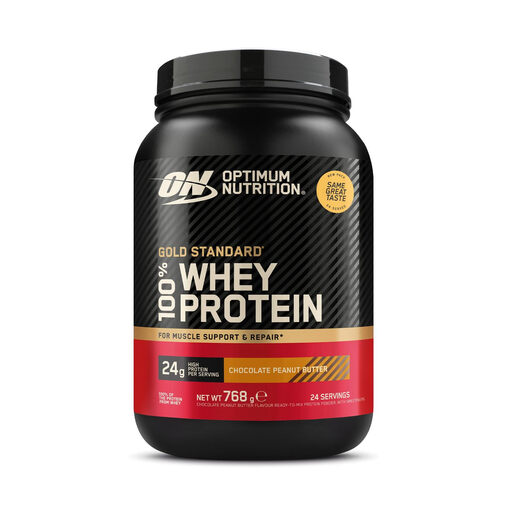
Why this product suits this profile: The 30-g serving size is clearly stated and provides 23.7 g of protein and 113 kcal according to the product data. The pack size is ideal for trying out a flavour.
The nutritional values are provided both per 100 g and per serving. This makes it easier to compare the recipe with other powders.
Whey blend with isolate, concentrate and hydrolysed isolate; 1.0 g of sugar per 30-g serving according to the product information.
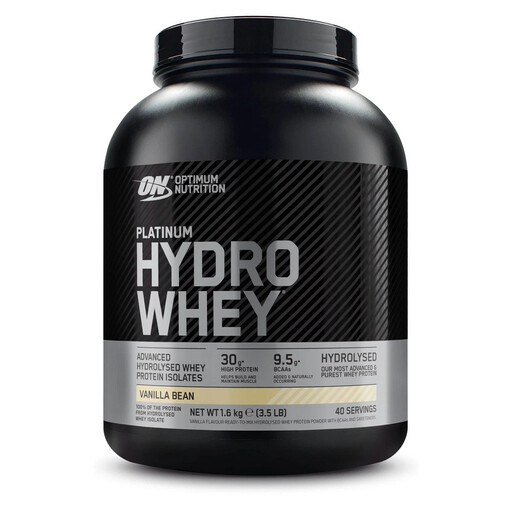
Why this product suits this profile: The recipe is aimed at users who prefer hydrolysed whey isolate and a separately stated BCAA quantity.
The BCAA quantity is clearly stated as 8.8 g per 40-g serving. Fat, sugar and carbohydrates are also listed separately in the table.
30 g of hydrolysed whey protein isolate per serving, 0.5 g of sugar and 0.7 g of fat according to the product information.
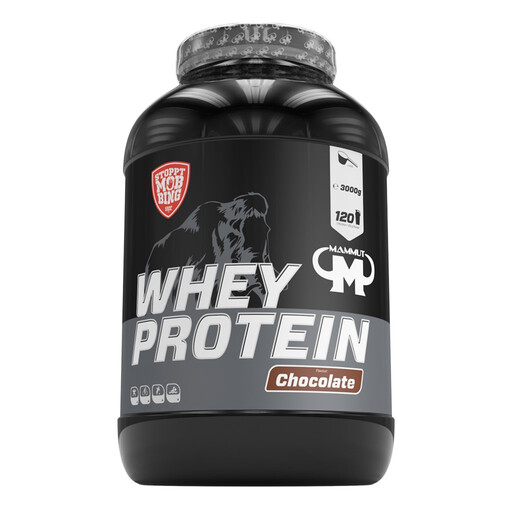
Why this product suits this profile: According to the product information, the large pack contains 120 servings. It is aimed at strength-training and fitness enthusiasts who regularly prepare the same whey protein shake.
A larger pack does not automatically reduce the cost per serving. Buyers should therefore check the unit price and stated number of servings before purchasing.
3-kg tub, chocolate flavour and measuring scoop; 27 g of protein per stated serving according to the product description.
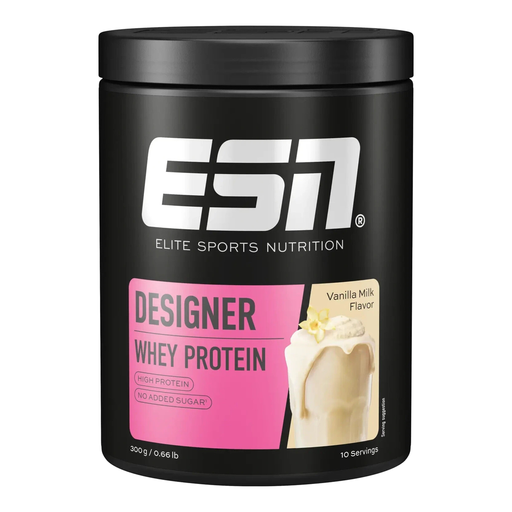
Why this product suits this profile: The small 300-g tub is practical if you initially want to buy a limited quantity or switch between flavours.
Buying a small pack reduces the risk of being left with a large quantity of a flavour you do not like or a recipe you do not tolerate well.
Whey blend made from concentrate and isolate; 75 g of protein per 100 g according to the product information, prepared with 200 ml of water or milk.
We have put together a complete, regularly updated list of products that fully meet these strict selection criteria and the safety regulations applicable in the EU.
The usual preparation varies from 25 to 40 g of powder with approximately 200 to 300 ml of liquid, depending on the product. The instructions on the label are the decisive reference. A whey protein shake can be used after training or as a supplement to a meal. It is not a substitute for a varied diet.
The powder should be stored in a dry, sealed container away from direct sunlight. Once mixed, the shake should be consumed promptly. If you have a milk allergy, known intolerances, an illness or are taking medication, you should seek medical advice before use.
The best-before date is shown on the packaging. Once opened, the powder should remain dry and be kept in an airtight container. Moisture can alter its consistency. The manufacturer’s instructions are the authoritative source for the specific shelf life.
There is no single amount that applies to all adults. Product instructions often recommend a serving of 25 to 40 g of powder. What matters is your personal daily protein requirement from all foods and supplements. The recommended daily intake for the product in question should not be exceeded.
Water does not change the powder’s nutritional values and is suitable for a direct comparison. Milk makes the shake more energy-dense and adds extra protein and carbohydrates. The choice therefore depends on your daily plan, taste preferences and desired calorie intake.