
Lieferung heute & morgen

Qualitätsgarantie

Willkommens-Angebote freischalten: KOSTENLOSE Lieferung | Bis zu 80 % RABATT | Kostenlose 30-Tage-JoyPlus-Testphase
App herunterladen
Anyone looking to buy whey protein powder will find a wide choice of brands, flavours and pack sizes. At first glance, many products appear similar: high protein content, quick dissolving and references to BCAA protein or muscle building. However, the differences often only become clear when you look at the ingredients list, nutrition table and cost per serving.
A serving containing 25 g of protein sounds convincing at first. The figure per 100 g of powder is more meaningful, as serving sizes vary between manufacturers. You should also check whether the stated protein value applies to the powder itself or to a protein shake prepared with milk. Milk increases both protein and calories, which can distort a direct product comparison.
With whey concentrate, the protein content is often lower than with whey isolate, depending on the recipe. Isolate undergoes more extensive filtration and generally contains less fat and fewer carbohydrates. That does not mean concentrate is unsuitable in principle. For many athletes, it is a budget-friendly option. However, if you are looking for a low-calorie protein powder with as few additional ingredients as possible, you should compare the nutritional information directly.
Flavours such as Cookies, Stracciatella or Salty Peanut may contain additional ingredients such as cocoa powder, pieces, thickeners and sweeteners. “No added sugar” does not automatically mean sugar-free. Claims such as “BCAA protein” often describe the amino acids naturally present in whey protein, rather than indicating that additional BCAAs have been added.
The ingredients list shows whether a product mainly consists of whey protein concentrate, whey isolate or a blend. A whey blend may combine concentrate, isolate and hydrolysed whey protein. The order of the ingredients and the protein value per 100 g are key.
As a practical guide:
A classic protein shake made with water provides significantly fewer calories than the same serving made with milk. For the Optimum Nutrition variants mentioned here, the stated values range from around 22.2 to 24 g of protein and approximately 113 to 119 kcal per serving, depending on the flavour. For ESN Designer Whey, the figures are, for example, between 71 and 76 g of protein per 100 g, depending on the flavour.
This calculation can help you make a fair price comparison:
This makes it clear whether a large pack is genuinely cheaper or simply contains a larger quantity of more heavily flavoured powder.
A powder may be described as suitable for shakers, smoothies, porridge or baking recipes. Its actual suitability for everyday use depends, among other things, on particle size, emulsifier and the amount of liquid used. For a classic protein powder shake after training, clear preparation instructions are helpful, such as mixing 30 g of powder with 180 to 240 ml of water.
Packaging also matters: a resealable container or pouch protects the powder from moisture. Small sachets are convenient for use on the go, but often cost more per gram. Before buying, you should also check the best-before date and recommended storage conditions.
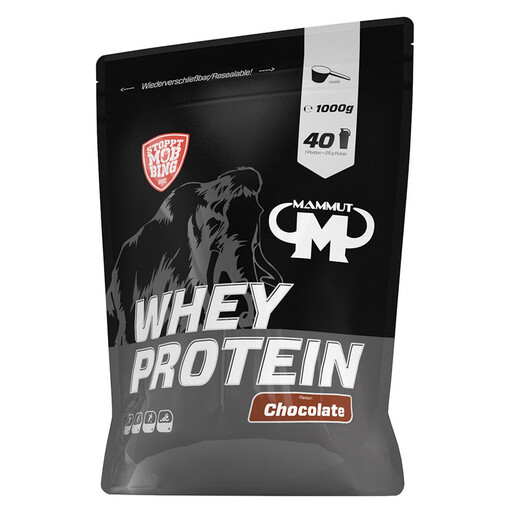
Why this product suits this profile: The 1,000-g pack offers a manageable quantity for beginners and a recipe based on whey protein concentrate. According to the product information, one serving contains 27 g of protein when prepared with 300 ml of semi-skimmed milk.
The stated serving size and ingredients list make comparisons easier. Buyers should distinguish between the protein value of the powder and the values of the finished shake made with milk.
1,000 g pack size, measuring scoop and several flavours; suitable for shakes or snacks.
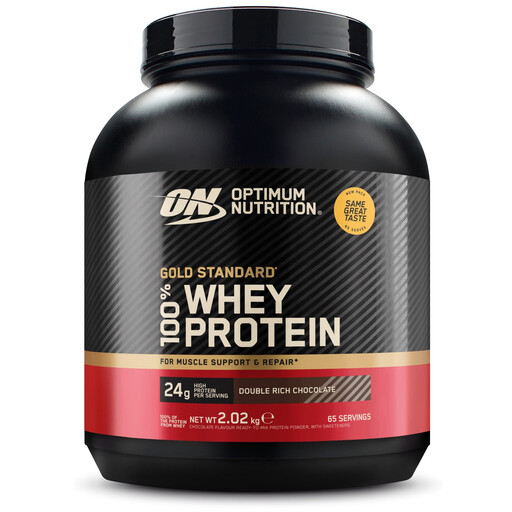
Why this product suits this profile: According to the product data, the blend combines whey isolate, concentrate and hydrolysed whey protein. Each 30-g serving provides 24 g of protein and 113 kcal.
Nutritional values are provided per serving and per 100 g. This allows calories, sugar and protein content to be assessed independently of the pack size.
2,020 g contents, 24 g of protein per 30 g and, according to the product information, 5.5 g of naturally occurring BCAAs per serving.
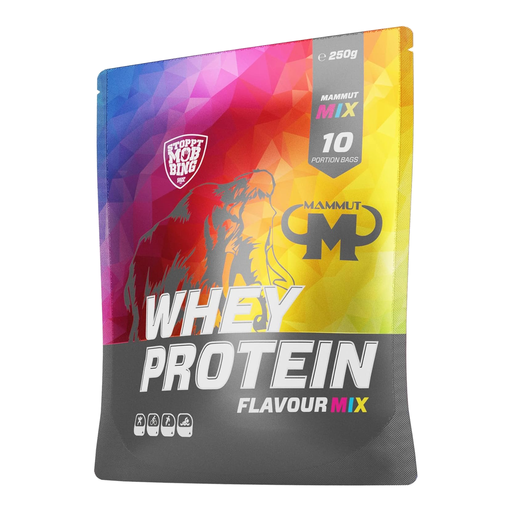
Why this product suits this profile: Ten individual portions in different flavours are ideal for people who use whey protein on the go or want to compare protein powder flavours before buying a larger pack.
The individual sachets reduce the risk of buying a large pack in a flavour you do not like. Ingredients vary by flavour and should be checked individually.
10 × 25 g, whey concentrate as the main source and several options for the office, travelling or your gym bag.
We have put together a complete, regularly updated list of products that fully meet these strict selection criteria and the safety regulations applicable in the EU.
The recommended powder quantity for the products mentioned is generally between 25 and 32 g. Water reduces the calorie content of the finished shake, while milk changes its flavour and nutritional values. A shaker is sufficient for most recipes; for porridge or baking recipes, the powder should be stirred in after heating unless the product information specifies otherwise.
Whey protein contains milk ingredients and, depending on the product, may also contain soya, gluten, egg or nuts. The allergen information on the packaging is the definitive source. Food supplements are not a substitute for a balanced diet. If you have allergies or medical conditions, take medication, or are pregnant or breastfeeding, you should consult a doctor before use.
A protein shake can be consumed after training or at another suitable time as part of your daily routine. Above all, your total protein intake throughout the day is what matters. The appropriate amount should be based on your diet, body weight, training goals and the information on the packaging.
When unopened, the best-before date on the packaging applies. Once opened, the powder should be stored in a dry, cool, sealed place away from direct sunlight. Moisture can affect its dissolvability and consistency. A prepared protein shake should be consumed promptly and not kept unrefrigerated for an extended period.
Whey concentrate is often cheaper per pack. Whey isolate may be appealing if you want a higher protein content and lower amounts of fat or carbohydrates. For a meaningful price comparison, focus on cost per 100 g of powder and cost per gram of protein, rather than just the pack price.