
Lieferung heute & morgen

Qualitätsgarantie

Willkommens-Angebote freischalten: KOSTENLOSE Lieferung | Bis zu 80 % RABATT | Kostenlose 30-Tage-JoyPlus-Testphase
App herunterladen
The right whey protein powder should make it easy to supplement your daily protein intake. However, bold claims on packaging do not automatically mean a product is the right choice. The key factors are the ingredients list, protein content per 100 grams, serving size and your personal tolerance.
A claim such as “25 grams of protein per serving” may initially sound clear-cut. However, serving sizes can vary from one product to another. Always compare the value per 100 grams and also check how much powder a serving actually contains. For example, the products mentioned here provide between 71 and 79 grams of protein per 100 grams.
A low-sugar protein powder can still contain carbohydrates and sugar, for example from cocoa, chocolate pieces, biscuit ingredients or cereals. “No added sugar” also does not necessarily mean that the product contains no naturally occurring sugar. The nutrition table is the reliable guide.
Whey isolate is more highly processed and often has a higher protein content, with lower amounts of fat and carbohydrates. Whey concentrate can have a creamier taste and is often a practical choice for everyday use. Many products combine both forms. The most suitable option depends on your dietary goal, budget and tolerance – not solely on the product name.
For a fair comparison, your personal checklist should include at least the following details:
A protein shake made with 30 grams of powder can provide significantly different nutritional values depending on the recipe. Mixing it with milk also adds the milk’s calories, carbohydrates and protein.
The ingredients list shows whether the product is a pure whey product or a more comprehensive blend. Look out for:
If you are sensitive to milk or lactose, you should consider your individual tolerance. Depending on the recipe, soya, wheat, barley, egg and nuts may also be relevant.
A large tub is not automatically more economical. Calculate the price per 100 grams or per serving and estimate your realistic consumption. A 300-gram pack may be suitable for occasional shakes, while frequent users can reduce the number of repeat purchases with 2,000- or 3,000-gram packs. Once opened, the powder should be stored in a dry, sealed place away from direct sunlight.
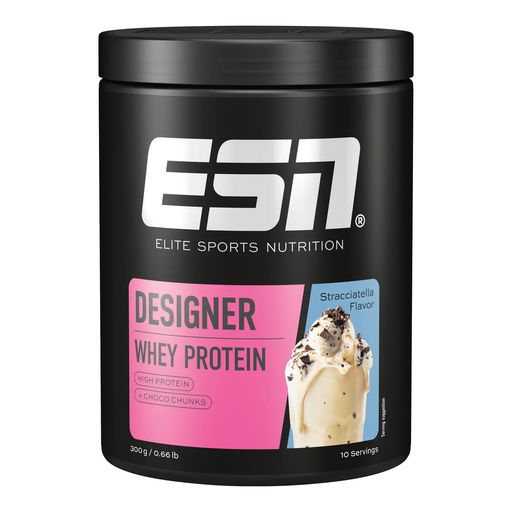
Why this product suits this profile: The 300-gram pack is ideal for trying a flavour without committing to a large pack straight away. According to the product details, it provides 73 g of protein per 100 g.
The protein value is stated per 100 g. This makes it easier to compare the recipe with other products, rather than judging it solely by serving-related marketing claims.
94% whey protein blend made from concentrate and isolate; 2% dark chocolate pieces; no added sugar according to the product description.
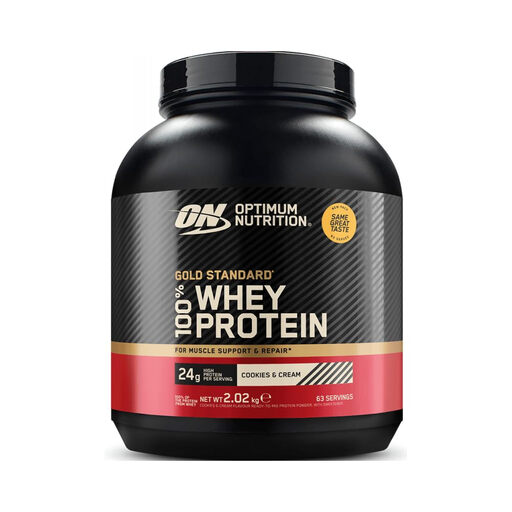
Why this product suits this profile: The 2,020-gram pack is designed for regular use. According to the product details, one 30-g serving contains 22.2 g of protein and 113 kcal.
The protein, carbohydrate, sugar and serving-size details are clearly stated. With Cookies & Cream, wheat and milk should also be noted as allergens.
Large pack in a resealable container; according to the product description, it contains no artificial sweeteners, although the specific ingredients list on the packaging is decisive.
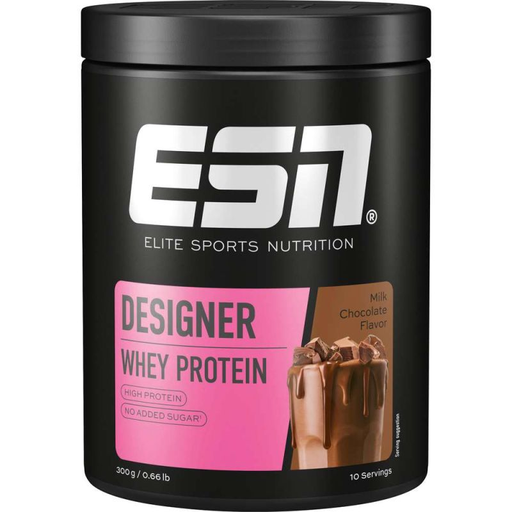
Why this product suits this profile: The 300-gram pack can be used for shakes, porridge or baking recipes. According to the product details, the powder contains 76 g of protein per 100 g.
The cocoa content and sweeteners are listed in the ingredients description. This makes it easier to assess the recipe than relying on the flavour name alone.
Whey blend made from concentrate and isolate; according to the product description, suitable for water, milk or plant-based drinks.
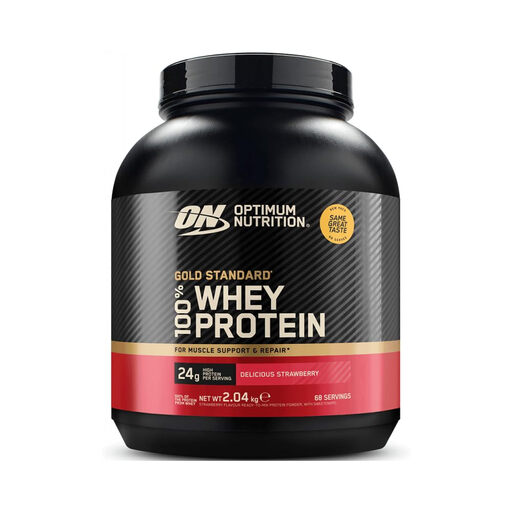
Why this product suits this profile: The large pack is intended for regular protein shakes around workouts or as part of your daily diet. According to the product details, one 30-g serving provides 23.7 g of protein.
The protein content is stated per 100 g alongside energy, fat, carbohydrates and sugar. The packaging information remains binding for the specific flavour.
2,040-gram pack; according to the product description, 113 kcal per 30-g serving and milk listed as an allergen.
We have compiled a complete, regularly updated list of products that fully meet these strict selection criteria and the safety regulations applicable in the EU.
For a typical shake, around 25 to 32 grams of powder is mixed with 180 to 300 millilitres of water or milk, depending on the product. The specific dosage on the packaging is the authoritative guide. A shake can be incorporated into your diet after a workout, before training or between meals. The timing is less important than your total daily protein intake and a balanced diet.
When trying a new product, it is advisable to start with a smaller pack. This lets you check whether the flavour, solubility and tolerance suit your everyday routine. If you experience any symptoms, have an existing medical condition, take medication, are pregnant or breastfeeding, you should discuss using the product with a medical professional. Protein powder is not a substitute for a varied diet.
Follow the best-before date and the manufacturer’s storage instructions. Once opened, the powder should be stored in a dry, cool, sealed place protected from light. Moisture can affect its consistency and solubility. If it develops an unusual smell or taste, or shows visible changes, it should no longer be used.
No. Whey isolate often has a higher protein content and less fat or carbohydrates. Whey concentrate can be perfectly sufficient for many users and can create a creamy recipe. Blends of both varieties combine different properties. The decisive factors are the nutritional values, ingredients and your personal tolerance.
The recommended amount is stated on the relevant product. Many products specify one to three servings per day, while others limit use to one serving. Also take protein from regular foods into account and do not exceed the manufacturer’s recommendations. The right total amount depends, among other things, on your body weight, activity level and diet.