
Lieferung heute & morgen

Qualitätsgarantie

Willkommens-Angebote freischalten: KOSTENLOSE Lieferung | Bis zu 80 % RABATT | Kostenlose 30-Tage-JoyPlus-Testphase
App herunterladen
Anyone looking to buy whey protein powder will find a wide range of brands, flavours and pack sizes. At first glance, many products appear similar. However, differences can be found in the protein source, nutritional values, allergens, serving size and intended use. If you focus only on the packaging, marketing claims or price per kilo, you may end up buying a powder that does not suit your own nutrition plan.
The stated ‘protein per serving’ is only meaningful when the serving size is taken into account. A product with 24 g of protein per 30 g of powder should be assessed differently from one providing 27 g of protein per 40 g serving. You should therefore also compare the value per 100 g and check the calorie, sugar and fat content.
Whey protein concentrate contains not only protein but, depending on the product, also higher levels of milk components, carbohydrates and fat. Whey protein isolate is more heavily filtered and often has a higher protein content per 100 g. This does not automatically mean that isolate is the more suitable choice for everyone. Your nutritional goals, tolerance, budget and taste are the key factors.
A protein powder containing creatine monohydrate is not the same as pure whey. A mass gainer also provides large amounts of carbohydrates and calories. BCAAs occur naturally in whey protein, so a separate BCAA product is not necessary for every nutrition plan. Check the ingredients list to avoid accidentally combining several products with a similar function.
Pay attention to the exact composition: whey protein isolate, whey protein concentrate, hydrolysed whey or a blend. According to the product information, a product such as Optimum Nutrition Gold Standard 100% Whey combines isolate, concentrate and hydrolysed protein components. Depending on the flavour, around 22.2 to 24 g of protein per 30 to 32 g serving is stated.
ESN Designer Whey also uses a blend of ultrafiltered whey protein concentrate and cross-flow microfiltered isolate. The information varies depending on the flavour, for example Milk Chocolate, Vanilla Milk or Strawberry Cream. The nutrition table on the respective packaging remains the definitive source.
A protein shake can be prepared with water, milk or a plant-based drink, depending on the product. Frequently, 25 to 32 g of powder is mixed with approximately 180 to 300 ml of liquid. A highly soluble formula is practical for a post-workout protein powder, but taking it at a specific time is not essential. Your total daily intake from regular foods and supplements is more important than a single time window.
Use the following guide when choosing a pack size:
Whey protein is made from milk and may contain lactose. Many products also list soya as an emulsifier. Depending on the recipe, gluten, egg, peanuts or nuts may be listed as ingredients or possible traces. Read the allergen labelling in full and follow the manufacturer’s instructions.
Food supplements are not a substitute for a balanced and varied diet. The recommended daily amount should not be exceeded. If you have a medical condition, take medication, are pregnant or are breastfeeding, it is advisable to consult a doctor.
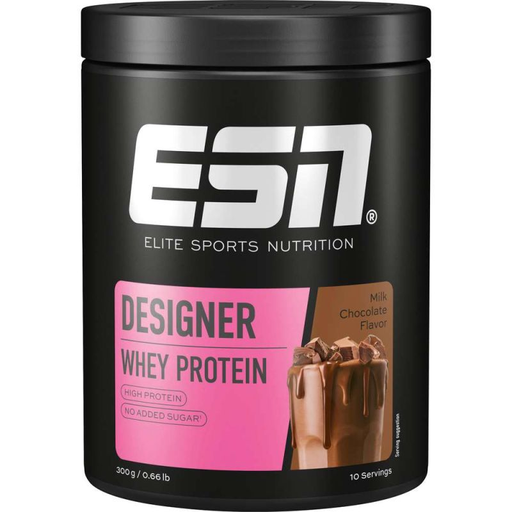
Why this product suits this profile: The 300 g pack is ideal for trying a flavour without immediately buying a large supply. According to the product information, the blend of concentrate and isolate contains 76 g of protein per 100 g.
The manageable pack size reduces the risk of buying a large supply of a flavour that does not suit you. The nutritional values are provided per 100 g.
Whey blend, 300 g contents and preparation with water, milk or plant-based drinks.
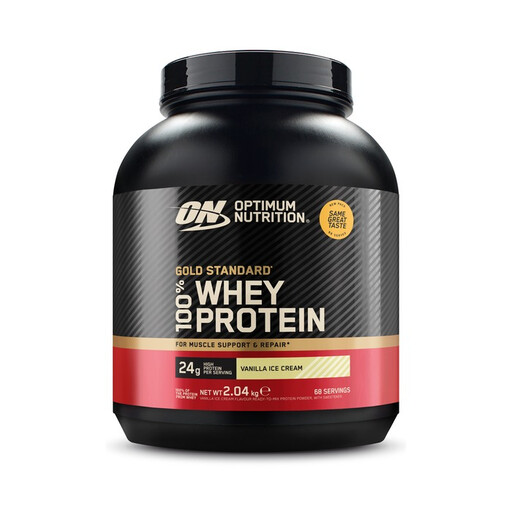
Why this product suits this profile: The product information states that each 32 g serving contains 24 g of protein, 119 kcal and 5.1 g of naturally occurring BCAAs. Whey isolate is listed as the first protein source.
The combination of serving information, calorie values and ingredients list makes objective comparisons easier. The pack is stated to contain 63 servings.
24 g of protein per serving, low sugar content according to the product data, and a blend of isolate, concentrate and hydrolysed isolate.
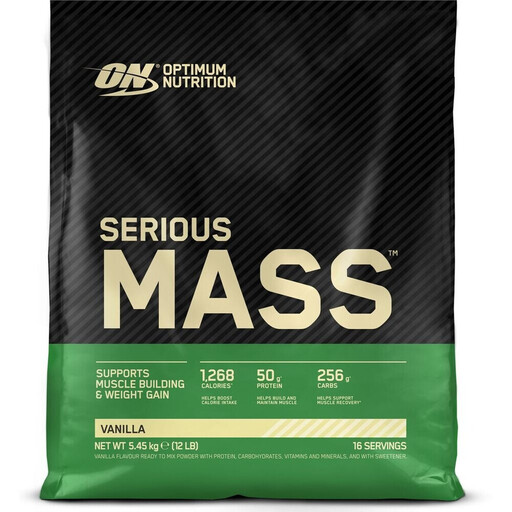
Why this product suits this profile: This mass gainer is aimed at adults with increased calorie requirements. A 334 g serving, as stated by the manufacturer, provides 1,268 kcal, 50 g of protein and 256 g of carbohydrates.
The very high calorie and carbohydrate content is clearly stated per serving. This allows you to check before buying whether it suits your personal energy requirements.
High energy content, 50 g of protein per serving, plus 3 g of creatine monohydrate and a vitamin and mineral complex according to the product description.
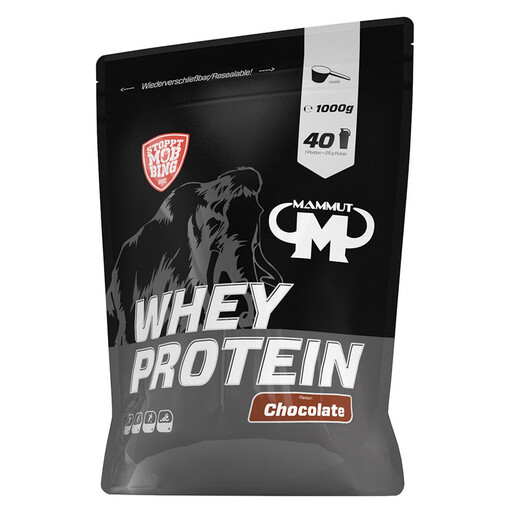
Why this product suits this profile: The 1,000 g pack is designed for regular shakes or protein-rich snacks. According to the product information, a 25 g serving provides 22.25 g of whey concentrate.
The recommended maximum of one serving per day and the preparation quantity are clearly specified in the product data. This makes controlled use easier.
Whey concentrate, measuring scoop and preparation with water or low-fat milk; BCAAs are also stated as a natural component of whey protein.
We have put together a complete, regularly updated list of products that fully meet these strict selection criteria and the safety regulations applicable in the EU.
The best-before date is printed on the packaging. Once opened, the powder should be stored in a dry, cool place, protected from light and tightly sealed. Moisture can affect its consistency and solubility. Prepared shakes should be consumed promptly and not stored for extended periods.
A shake can be practical after a workout if a protein-rich meal is not available soon afterwards. However, it can also be used in the morning, between meals or as part of a recipe. Your total protein intake for the day is what matters, rather than the specific time you take it.
Whey protein mainly provides protein and, depending on the recipe, comparatively few carbohydrates and calories. A mass gainer combines protein with a significantly higher amount of carbohydrates and energy. If you simply want to increase your daily protein intake, check a gainer’s nutritional values carefully to ensure that the calorie content matches your personal goal.