
Lieferung heute & morgen

Qualitätsgarantie

Willkommens-Angebote freischalten: KOSTENLOSE Lieferung | Bis zu 80 % RABATT | Kostenlose 30-Tage-JoyPlus-Testphase
App herunterladen
If you want to buy whey protein powder, you’ll find numerous products with similar packaging but very different formulations. A high protein content, a large tub or an eye-catching flavour alone says little about whether the protein powder suits your everyday routine. Nutritional values, protein source, serving size and intended use are what really matter.
A label stating “24 g protein per serving” sounds clear at first. However, serving sizes can vary from one product to another. For a fair comparison, check the value per 100 g of powder as well as per serving. A powder containing 75 g of protein per 100 g is not automatically better value than one containing 74 g if the pack size or price per kilo differs significantly.
A classic whey product provides mainly protein and comparatively few carbohydrates. A weight gainer, on the other hand, is designed to provide more energy and often contains large amounts of maltodextrin or dextrose. If you simply want to supplement your daily protein intake, a gainer may provide more calories than you need. For building mass when you have high calorie requirements, however, its formulation can be useful for a specific purpose.
The nutritional values on the packaging generally refer to the powder itself. If you prepare a protein shake with milk, its energy, fat and carbohydrate content will increase. Flavours containing chocolate pieces, cereal ingredients or additional sweeteners can also significantly change the ingredients list. The information for the specific flavour and packaging should therefore be used as the deciding factor.
Whey protein concentrate contains natural milk components in addition to protein, including, depending on the formulation, higher levels of fat, carbohydrates and lactose. Whey protein isolate undergoes more extensive filtration and often has a higher protein content with lower amounts of fat and carbohydrates. A blend of concentrate and isolate can offer a practical middle ground.
For your choice, it is not just the product name that matters, but the specific ingredients list. If the label says “Whey Protein Blend”, check which components it contains and the order in which they are listed. If you are sensitive to milk sugar, take care: an isolate is not automatically completely lactose-free.
For an everyday whey product, choose one with a clearly stated protein content and a straightforward ingredients list. As a guide, look for around 70 to 80 g of protein per 100 g of powder. Comparing values per serving remains important, as some products use 25 g, others 30 g or considerably more.
When choosing a protein powder for muscle building, you should also consider your overall diet. As part of an adequate diet, protein supports the maintenance and growth of muscle mass. However, a shake is not a substitute for a varied diet. With a weight gainer, calories and carbohydrates take centre stage. For example, according to the product information, Mammut Nutrition Crash Weight Gainer provides 518 kcal per serving with milk and around 80% carbohydrates in the powder.
Milk or whey is an allergen in most whey products. They may also contain soya, egg, wheat, oats, barley or nuts. If you have allergies or intolerances, read the highlighted allergens and any statements about possible traces.
Clear dosage instructions are useful. Typically, 30 g of powder is mixed with 200 to 300 ml of water or milk. For a post-workout protein shake, water can help keep the calorie content low, while milk increases the flavour and energy content. Once opened, products should be stored in a dry, cool place away from light and kept tightly sealed.
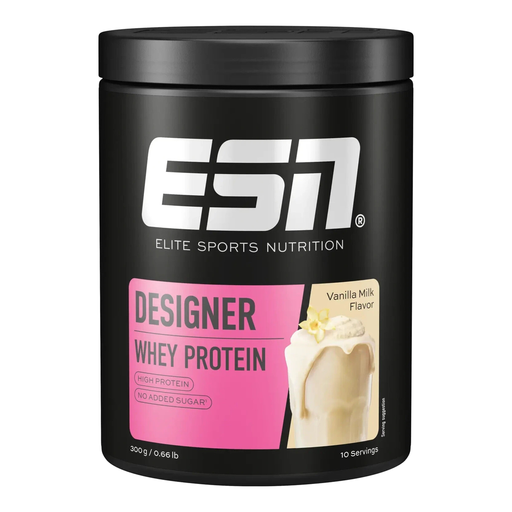
Why this product suits this profile: The 300-g pack offers an accessible introduction without requiring you to buy a large supply straight away. According to the product information, the concentrate and isolate blend contains 75 g of protein per 100 g.
The serving is specified as 30 g and can be prepared with water or low-fat milk. This makes it easier for beginners to control the amount of powder and additional calories.
94% whey protein blend according to the product description; vanilla milk flavour; declared allergens are milk and soya.
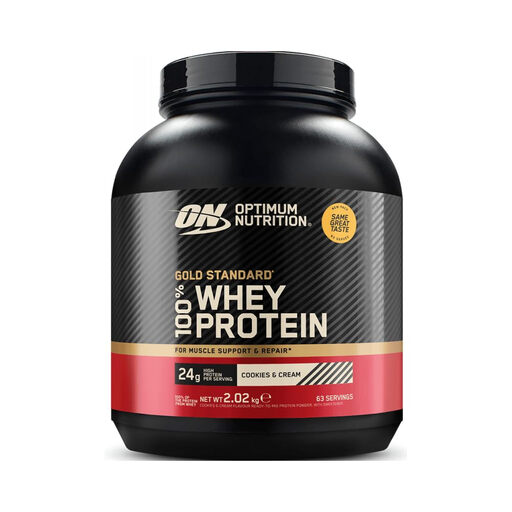
Why this product suits this profile: The large pack is aimed at people who train regularly and prefer a standardised 30-g serving. It contains 74 g of protein per 100 g and 22.2 g per serving, according to the stated values.
Nutritional values are provided per 100 g and per serving. According to the product data, the calorie content is 113 kcal per 30 g with water, before adding milk or other ingredients.
2,020-g pack; whey isolate according to the product description; resealable container; milk and wheat are listed as allergens.

Why this product suits this profile: This product is designed to provide additional energy for building mass and gaining weight. According to the product information, one serving with milk provides 518 kcal; the formula contains 80% carbohydrates as well as several protein sources.
Its high carbohydrate and calorie density makes it clear that this is not a low-calorie whey product. For pure protein supplementation, its formulation may therefore be unsuitable.
4.5-kg pack; dextrose and maltodextrin as the main carbohydrate sources; protein blend of soya, egg, whey and milk; also contains creatine monohydrate according to the declaration.
We’ve put together a complete, regularly updated list of products that fully meet these strict selection criteria and the safety regulations applicable in the EU.
The serving size depends on the product information. Typically, 25 to 30 g of powder is recommended. To prepare it, mix the powder with around 200 to 300 ml of water or milk. Your daily protein intake should be appropriate for your normal diet, training volume and individual requirements.
The two options differ primarily in their degree of filtration and nutritional profile. Isolate often contains more protein per 100 g and less fat or carbohydrates. Concentrate can be appealing in terms of flavour and price. There is no universally better option; the ingredients list, protein content, tolerability and price per serving are the relevant points of comparison.
The best-before date and the manufacturer’s instructions are the key points to follow. Once opened, the powder should be stored in a dry, cool place away from light and kept tightly sealed. Moisture can alter its consistency. A prepared protein shake should be consumed promptly and not kept unrefrigerated for an extended period.