
Lieferung heute & morgen

Qualitätsgarantie

Willkommens-Angebote freischalten: KOSTENLOSE Lieferung | Bis zu 80 % RABATT | Kostenlose 30-Tage-JoyPlus-Testphase
App herunterladen
Anyone looking to buy whey protein powder will find a wide choice of brands, flavours and pack sizes. At first glance, many products appear similar: high protein content, a creamy taste and easy preparation. However, differences become apparent in the protein source, additives, calorie content and actual serving size.
The Joybuy Product Recommendation Officer selection provides an objective overview of the key features and shows which protein powder may suit different shopping profiles.
Claims such as “25 g protein per serving” may sound informative. However, it is also important to check how large that serving is and how much protein the powder contains per 100 g. Comparing products per 100 g provides greater transparency. Among the products listed, for example, the figures range from around 71 to 79 g of protein per 100 g, depending on the recipe.
Preparing the shake with milk also changes the nutritional values. A protein shake made with water contains fewer calories than the same shake prepared with 300 ml of milk.
Whey protein concentrate typically contains more milk components, fat, carbohydrates and lactose than whey protein isolate, as well as protein. Isolate undergoes more extensive filtration and often has a higher protein content with lower levels of fat and carbohydrates. This does not mean that every isolate is automatically the right choice for every buyer.
A multi-component protein, on the other hand, combines different sources, such as whey, milk, egg and soya protein. If you have a particular allergy or intolerance, you should therefore check the full ingredients and allergen information.
Whey naturally contains BCAAs. A product labelled BCAA protein is therefore not automatically more beneficial than a conventional whey protein. The most important factors are the overall protein content, the ingredients list and your intended use.
Hydrolysed whey protein has been enzymatically broken down into smaller components. This may be of interest to certain users, but it often increases the cost of the product. For daily protein supplementation, the additional expense is not necessary for every buyer.
Check whether the product is whey concentrate, whey isolate, hydrolysed whey or a blend. A product containing several protein sources may be useful for a more structured intake as part of your everyday routine. For a calorie-conscious post-workout protein shake, on the other hand, a low sugar and fat content, along with a clearly stated serving size, is important.
For allergies, you need to consider milk, soya, egg, gluten and possible traces. The information on the packaging is decisive, as recipes and flavours may vary.
For a fair comparison, look at:
A low-carb protein powder should not rely solely on the corresponding marketing claim; check the carbohydrate values in the nutrition table. In chocolate protein powder, cocoa powder, chocolate pieces or biscuit ingredients can increase the sugar and calorie content.
Vanilla protein powder, chocolate protein powder and products in a range of flavours appeal to different preferences. For your first order, a smaller pack or sample box may be a sensible choice. If you prepare a shake every day, however, you should calculate the price per 100 g and consider how long the product will keep after opening.
For many products, the recommended preparation amount is between 25 and 40 g of powder. Water is lower in calories, while milk generally creates a different consistency and adds extra nutritional value. The powder should be stored in a dry, tightly sealed container away from direct sunlight.
The following cards match specific products to suitable user profiles. The information is based on the product data provided; where flavours differ, the relevant packaging should be taken as the definitive source.
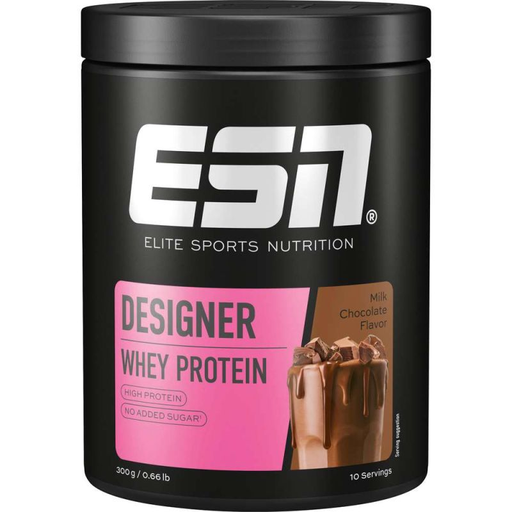
Why this product suits this profile: The 300 g pack offers an accessible introduction. According to the product information, the powder combines whey concentrate and whey isolate, providing 76 g of protein per 100 g.
The smaller pack reduces the risk of buying a large quantity of a powder whose flavour may not suit you.
300 g contents, chocolate flavour, and 5.8 g of fat plus 5.9 g of carbohydrates per 100 g according to the product data.
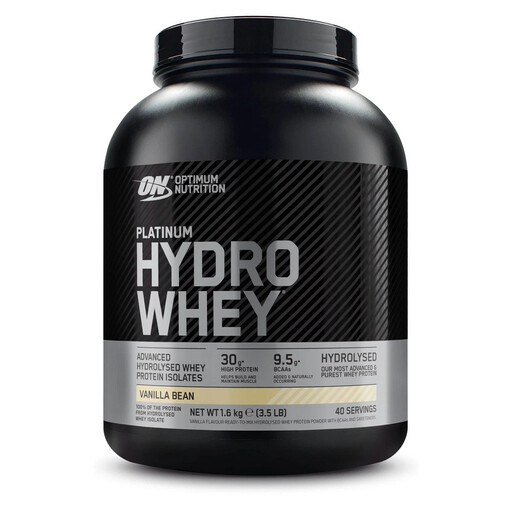
Why this product suits this profile: This product uses hydrolysed whey protein isolate and, according to the data sheet, provides 30 g of protein per 40 g serving.
The recipe clearly states the protein source, serving size and BCAA content of 8.8 g per serving.
30 g of protein, 0.7 g of fat and 2.0 g of carbohydrates per 40 g serving according to the product information.
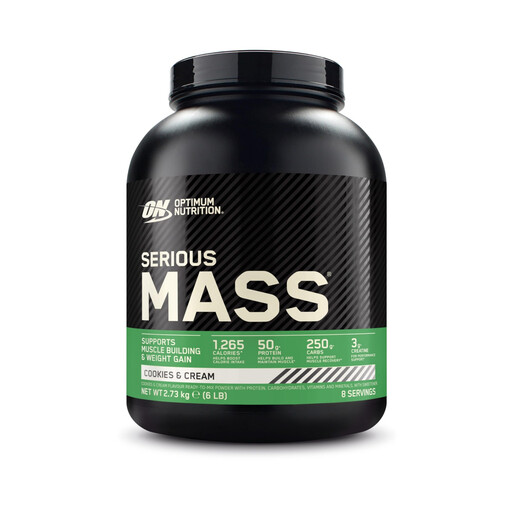
Why this product suits this profile: This is not a classic whey protein powder, but a weight gainer providing more than 1,250 kcal, 50 g of protein and over 250 g of carbohydrates per stated serving.
The high calorie content is clearly stated, preventing a weight gainer from being mistaken for a low-calorie protein powder.
2.73 kg pack, 3 g of creatine monohydrate and 24 added vitamins and minerals according to the product description.
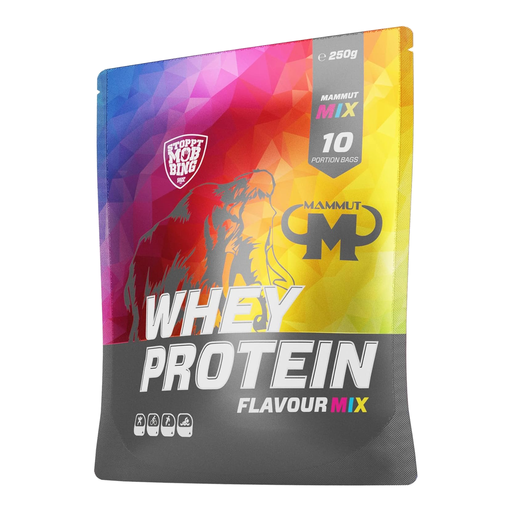
Why this product suits this profile: The box contains ten individual 25 g servings in different flavours, including apple strudel, brownie, vanilla ice cream and mango-passion fruit.
The sample sizes reduce the risk of buying a large tub in a flavour you do not enjoy.
27 g of protein per serving according to the product data, with ten separately packaged flavour varieties.
We have put together a complete, regularly updated list of products that fully meet these strict selection criteria and the safety regulations applicable in the EU.
For a classic shake, mix around 25 to 40 g of powder with 180 to 300 ml of water or milk, depending on the product. A shaker makes preparation easier, while a blender can be useful for ingredients such as oats or fruit. Consume a prepared shake promptly and do not leave it unrefrigerated for an extended period.
Protein powder should be stored in a dry, cool place away from light. Reseal the packaging carefully after every use. You should also check the best-before date and the manufacturer’s stated period for use after opening.
The right amount depends on your overall diet, body weight, level of training and individual protein requirements. The powder supplements your diet and does not replace a varied intake of food. Follow the recommended serving information on the packaging and seek medical advice if you have an illness, take medication or are unsure.
Whey isolate often contains a higher proportion of protein and less fat and carbohydrate than some concentrates. However, the specific nutrition table remains decisive. Flavourings, chocolate ingredients or preparation with milk can also increase the energy content.
The best-before date applies to the unopened pack when stored correctly. After opening, follow the manufacturer’s instructions, keep the powder dry and stop using it if it develops an unusual smell, becomes damp or changes in appearance.