
Lieferung heute & morgen

Qualitätsgarantie

Willkommens-Angebote freischalten: KOSTENLOSE Lieferung | Bis zu 80 % RABATT | Kostenlose 30-Tage-JoyPlus-Testphase
App herunterladen
Whey protein powder can be a straightforward way to top up your daily protein intake – whether after a workout, between meals, or stirred into porridge. However, the choice is vast: whey concentrate, whey isolate, blends, flavour options and mass gainers all differ significantly in protein content, calories, ingredients and price.
If you only focus on flashy marketing claims like “fast-absorbing”, “premium blend” or high BCAAs, you can easily miss the crucial details. Three common pitfalls are particularly worth noting:
First, look at the nutritional information per 100 grams and also check the serving size. The whey protein powders listed in the product data range from around 71 to 79 grams of protein per 100 grams, for example. Depending on the product, one serving provides roughly 22 to 27 grams of protein.
When it comes to the protein source, three types are common:
BCAAs occur naturally in whey protein. So an additional BCAA product isn’t automatically necessary if your daily diet already provides enough protein.
A protein shake isn’t just whey protein. Depending on the flavour, it may contain cocoa, thickeners, lecithin, sweeteners, chocolate pieces or cereal ingredients. Pay particular attention to:
These details can vary by flavour. For allergy sufferers, only the ingredients and allergen labelling on the actual packaging is definitive.
For a typical protein shake, the products listed recommend around 180 to 300 millilitres of water or milk. Water keeps extra calories down, while milk gives a different texture and changes the nutritional values.
A 300 g pack is ideal if you want to try a flavour first. 450 g bags offer a medium supply. Large containers of around 2,000 to 3,000 grams can make sense for regular users, but they need to be stored in a dry, light-protected place. Once opened, the container should be sealed carefully so the powder doesn’t absorb moisture.
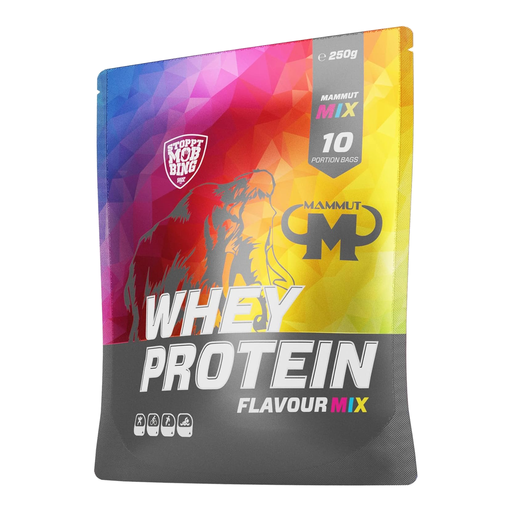
Why this product fits the profile: The ten individual sachets with different flavours let you compare without committing to a large tub straight away.
The taster box reduces the risk of buying a large pack with a flavour or texture that doesn’t suit you.
10 × 25 g portions, whey concentrate as the protein source and, according to the product information, 27 g protein per serving when prepared with milk.
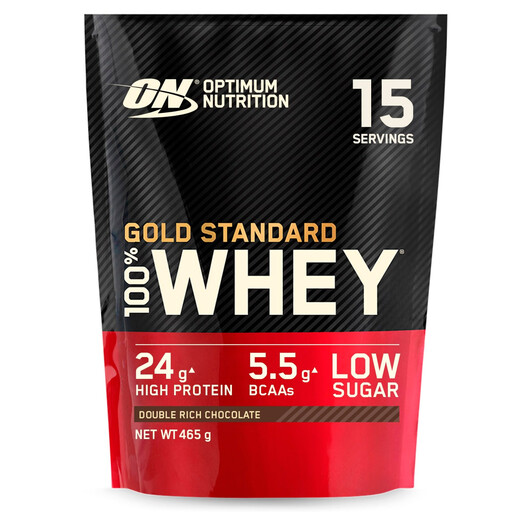
Why this product fits the profile: According to the product information, the blend contains whey isolate, whey concentrate and hydrolysed whey isolate. Per recommended 31 g serving, 24 g of protein is stated.
The specific serving size, protein amount and protein sources are clearly stated. Low sugar and fat values are also listed according to the product data.
450 g bag, 24 g protein per 31 g serving and, according to the ingredients list, a whey blend with isolate as a component.
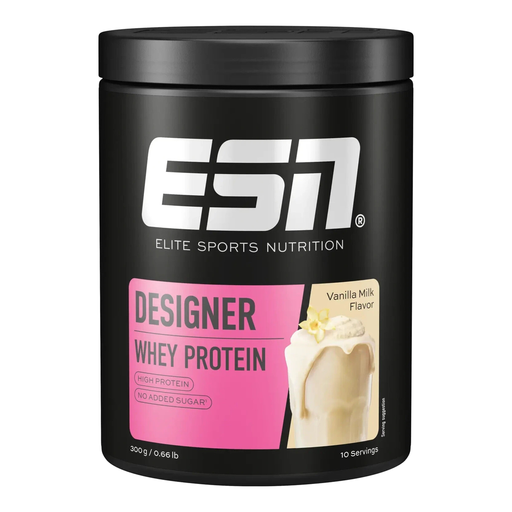
Why this product fits the profile: The small pack is easy to keep on hand for everyday use and works well for shakes, snacks or mixing with water or semi-skimmed milk.
The product data states 75 g protein per 100 g and a 30 g serving. This makes it easier to assess the actual protein content than relying on flavour or lifestyle marketing alone.
300 g pack, whey blend of concentrate and isolate, and according to the product information, 75 g protein per 100 g.
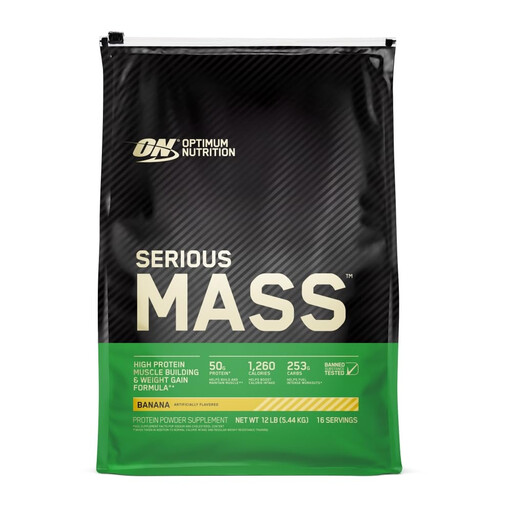
Why this product fits the profile: This mass gainer is designed for adults who need a significantly higher calorie and carbohydrate intake alongside their protein.
The nutritional values clearly show the difference from standard whey protein: one stated serving provides 1,260 kcal, 50 g protein and 250 g carbohydrates.
5,450 g container, 3 g creatine monohydrate per stated serving, plus a vitamin and mineral complex according to the product data.
We’ve put together a full, regularly updated list of products that meet these strict selection criteria and fully comply with EU safety regulations.
A protein shake is not a substitute for a balanced diet. It should only be used if it fits into your personal daily requirements. Stick to the recommended serving size, drink the powder soon after mixing, and store it in a dry, cool place away from light.
If you have allergies, existing medical conditions, are taking medication, are pregnant or breastfeeding, it’s advisable to consult a doctor. According to the product information, the products mentioned are not intended for children or adolescents.
The manufacturer recommendations for the products listed are generally between 25 and 31 grams of powder per serving. The nutrition table and the recommended preparation on the packaging are the key references. Your personal protein needs depend on factors such as body weight, diet and activity level.
The best-before date applies to the unopened packaging. Once opened, the powder should be stored in a dry, cool, light-protected place and kept tightly sealed. Moisture, clumping, an unusual smell or a change in colour are signs that it should no longer be used.
A mass gainer contains large amounts of carbohydrates and calories alongside protein. So it’s only suitable for people who specifically want to increase their energy intake. If you simply want to supplement your protein intake, a classic whey protein or whey isolate is usually a more straightforward choice.