
Lieferung heute & morgen

Qualitätsgarantie

Willkommens-Angebote freischalten: KOSTENLOSE Lieferung | Bis zu 80 % RABATT | Kostenlose 30-Tage-JoyPlus-Testphase
App herunterladen
Whey protein powder can help supplement your daily protein intake – in a shake, at breakfast or after a workout. But choosing one can be confusing. Terms such as whey protein isolate, whey protein concentrate, ‘fast absorption’ and ‘premium blend’ may sound impressive, but on their own they tell you little about whether a product is right for you.
If you’re choosing based on more than just the brand or flavour, avoid these three common pitfalls:
What matters is whether the ingredients, serving size, flavour, mixability and pack size fit into your everyday routine.
Protein content is one of the most important ways to compare products. The products available, for example, range from 73 to 79 g of protein per 100 g:
Values can vary depending on the flavour. Always refer to the nutrition table on the specific packaging. Calories, carbohydrates, sugar and fat can also vary depending on the cocoa, flavourings, pieces or other ingredients.
Whey protein concentrate is found in many classic protein powders. It has a high protein content and is often combined with emulsifiers and flavourings to make an easily mixed shake.
Whey protein isolate usually has a higher protein content and lower amounts of fat or carbohydrates. This makes it appealing to shoppers who want to manage the nutritional values of each serving as precisely as possible. However, an isolate isn’t automatically the better choice for everyone.
A multi-component product such as MAMMUT Nutrition Formula 90 Protein Powder combines soya, milk, whey and egg protein, among other ingredients, according to the product information. This sets it apart from a pure whey product and is worth bearing in mind if you have allergies or intolerances, or specific dietary goals.
Whey protein contains milk or milk derivatives. Depending on the recipe, soya, egg, lactose, coconut or peanuts may also be present. Check the ingredients list before buying, especially for flavoured varieties.
Manufacturer’s instructions and suggested preparation methods can help you assess how well a powder mixes:
The amount of liquid affects the flavour, consistency and calorie content. Water usually makes for a lighter shake, while milk creates a creamier drink and adds extra nutrients.
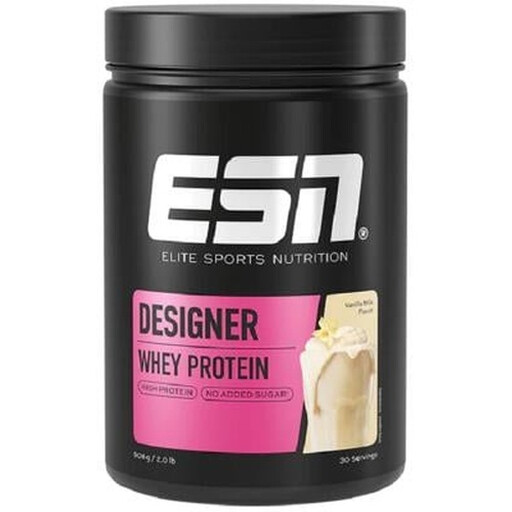
Why this product suits this profile: The 908 g pack is ideal for regular shakes, and its 78 g of protein per 100 g gives you a clear basis for comparison when choosing a powder for everyday use.
Nutritional values are given per 30 g serving and per 100 g, making it easier to compare the protein content with other protein powders.
78 g of protein per 100 g, 23.4 g per 30 g serving, instant powder and a large resealable pack.
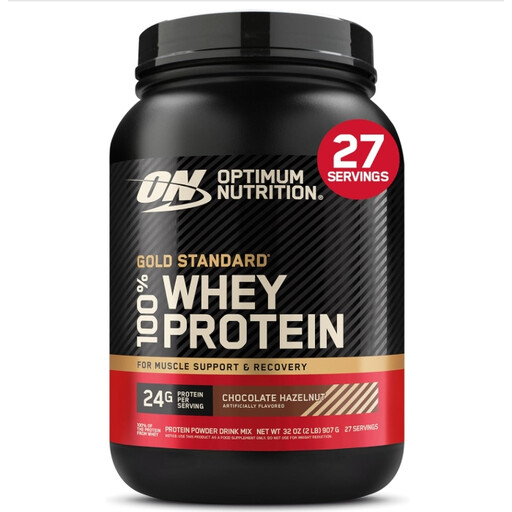
Why this product suits this profile: If you want to compare protein content, calories and preparation amounts precisely, you’ll find clearly stated values per serving and per 100 g.
According to the product information, a 30 g serving provides 23.7 g of protein and 113 kcal. These figures make it easier to plan your intake, rather than relying on the marketing name alone.
79 g of protein, 4.2 g of fat and 5.5 g of carbohydrates per 100 g; made with whey protein isolate, according to the product information.
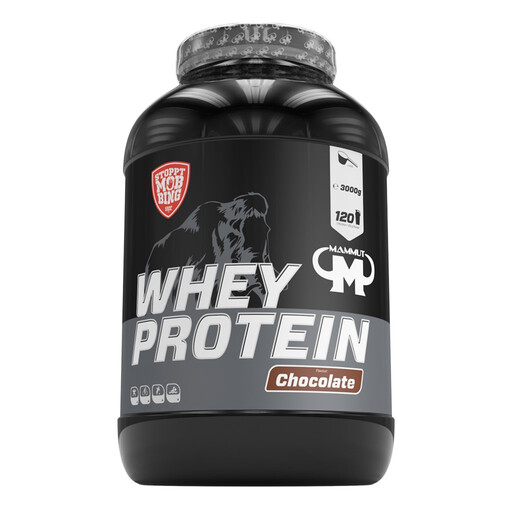
Why this product suits this profile: The 3 kg tub is aimed at people who make protein shakes regularly and prefer to buy a larger pack.
The formula is described as a whey concentrate containing 89% whey protein concentrate. This makes its composition clearer than that of protein blends with unspecified ingredients.
Large pack, 27 g of protein per serving according to the product information, and a scoop for measuring out each serving.
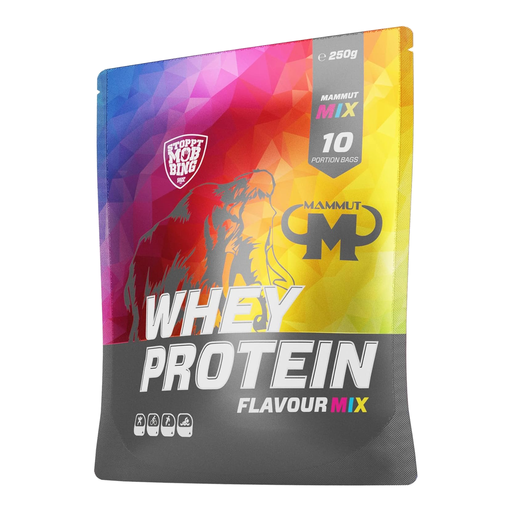
Why this product suits this profile: The sachets come in a range of flavours, making them a handy way to compare varieties before committing to a large pack.
The sample box lowers the risk of buying a large pack in a flavour you don’t enjoy. Each serving contains 25 g of powder.
Ten flavours, including apple strudel, brownie, mango and passion fruit, strawberry cheesecake and vanilla ice cream; 27 g of protein per serving according to the product information.
We’ve put together a complete, regularly updated list of products that meet these strict selection criteria and fully comply with the safety regulations in force in the EU.
For everyday use, ease of handling matters just as much as protein content. Your powder should mix well in the shaker or mixing vessel you have to hand. For best results, use cold liquid, shake thoroughly and stick to the recommended serving size.
Once opened, whey protein powder should be stored in a cool, dry, dark place, with the pack tightly sealed. Moisture can affect how freely the powder pours and cause it to clump. Drink a prepared shake promptly and don’t leave it unrefrigerated for long periods. Always follow the best-before date on the packaging.
The products featured usually recommend around 25 to 30 g of powder per serving. However, your individual daily protein intake depends on your diet, body weight, activity level and personal goals. Protein powder supplements a balanced diet; it doesn’t replace one.
No. Isolate and concentrate mainly differ in their composition and how they’re processed. An isolate may have a higher protein content and less fat and carbohydrates. A concentrate may be enough for many people. What matters is the nutritional information, ingredients, how well you tolerate it and the price per serving.
This depends on the best-before date, storage conditions and the manufacturer’s guidance. Once opened, keep the powder dry and tightly sealed. Follow product-specific instructions, such as ‘use within three or four months’. If the product develops an unusual smell or taste, or shows signs of moisture, don’t use it.