
Lieferung heute & morgen

Qualitätsgarantie

Willkommens-Angebote freischalten: KOSTENLOSE Lieferung | Bis zu 80 % RABATT | Kostenlose 30-Tage-JoyPlus-Testphase
App herunterladen
If you’re looking to buy whey protein powder, you’ll find plenty of options with different protein sources, pack sizes and flavours. At first glance, many products look similar. The differences become clearer when you check the nutrition table, ingredients and recommended serving size.
For athletes, weight trainers and active adults, three common buying mistakes are worth avoiding:
First, check the protein content per 100 grams. The products featured here list between 71 and 79 grams, depending on the recipe and flavour. You should also consider the serving size: a product providing 24 grams of protein per 30-gram serving is easier to compare with other products when its protein content per 100 grams is listed too.
Whey protein concentrate usually contains more of other nutrients, such as carbohydrates and fat, than whey protein isolate. An isolate may therefore appeal if you’re looking to keep the amount of carbohydrates or fat per serving as low as possible. A concentrate is often a practical option for meeting general protein needs.
The term “hydrolysed” describes protein that has been partially broken down. This alone isn’t a good enough reason to buy a product. Clear nutritional information, ingredients and how well you tolerate it are more important.
A protein powder may seem low in calories per serving if the serving size is small. So always compare both figures. For example, Optimum Nutrition Gold Standard 100% Whey lists around 24 grams of protein and 113 kilocalories per 30 grams. The product information also gives around 79 grams of protein per 100 grams; figures may vary by flavour.
Also check:
Always go by the information on the relevant packaging, as recipes and flavours can differ.
Whey protein is made from milk, so milk and lactose may be important considerations if you have an intolerance. Some products also contain soya, gluten or other ingredients. Read the full allergen information before you buy.
You can get an idea of how well it mixes by checking the recommended amount of liquid and preparation instructions. The products featured here are usually mixed with water or milk in a shaker. A blender may be more suitable for mass gainers, as their serving sizes are considerably larger.
Flavour also plays a part in whether you’ll use a product regularly. Chocolate whey, vanilla whey, Cookies & Cream, Banana Cream and Strawberry Cream differ not only in flavour but, in some cases, in nutritional values too.
The products below are assessed by pack size, stated nutritional values, protein source and intended use. This selection is not a substitute for personalised nutritional advice.
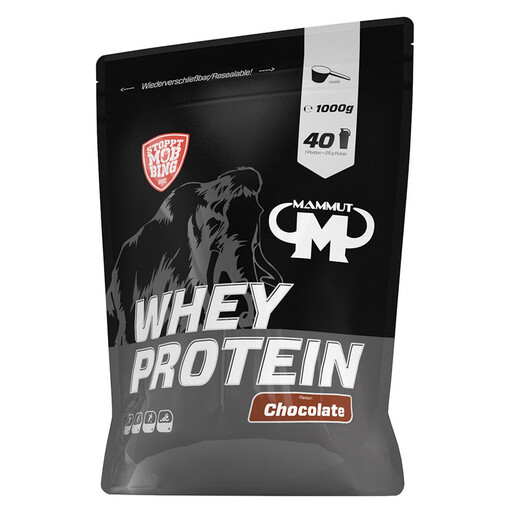
Why this product suits this profile: The 1000 g pack is a good option if you’d like to start incorporating whey protein into your routine in a manageable quantity. The stated serving provides 27 g of protein when mixed with 300 ml of semi-skimmed milk.
The product description identifies whey protein concentrate as its main protein source and clearly lists the ingredients and allergens. This makes it easy to check the recipe before you buy.
1000 g pouch, measuring scoop and, according to the product information, mixes well with water or milk.
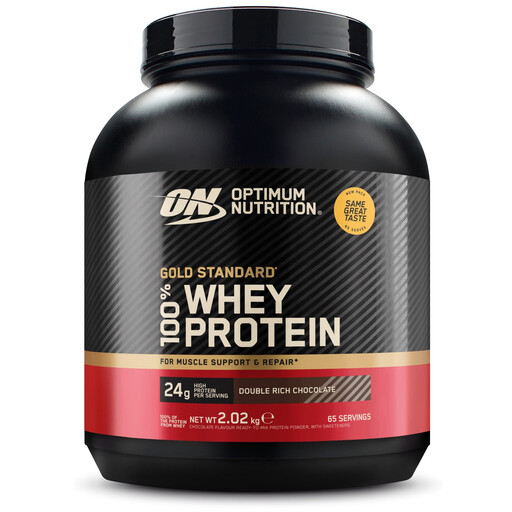
Why this product suits this profile: The nutrition information lists 24 g of protein per 30 g serving, 113 kcal and a blend of whey protein isolate, concentrate and hydrolysed whey.
The figures for calories, sugar, fat and protein per 100 g and per serving make it easier to compare products objectively.
2020 g pack, 79 g of protein per 100 g according to the product details, and versatile use in shakes, smoothies or meals.
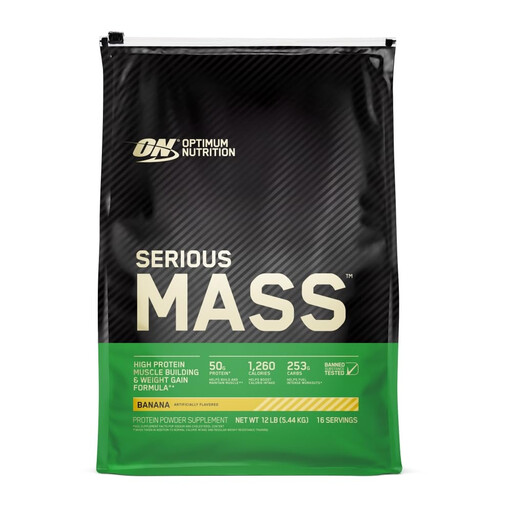
Why this product suits this profile: This product is for adults looking for a considerably higher intake of energy and carbohydrates as well as protein. A serving is listed as 335 g of powder.
The very large serving makes it clear that this isn’t a standard whey protein. You should factor its calories and carbohydrates into your daily diet.
According to the product details, each 335 g serving contains 50 g of protein, around 250 g of carbohydrates and 1260 kcal; vitamins and minerals are also listed.
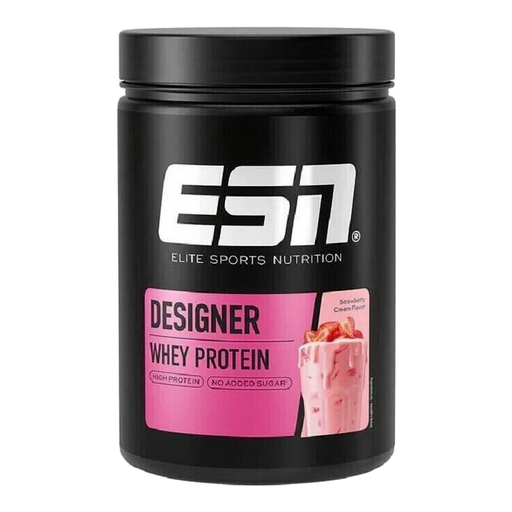
Why this product suits this profile: The 300 g pack is a smaller option if you’d like to try a flavour or a whey protein concentrate and isolate blend as part of your routine before committing to a larger pack.
The product details list 76 g of protein per 100 g and identify the whey protein blend. This means you can judge the product using specific figures, rather than choosing on flavour alone.
300 g tub, 30 g serving and, according to the product description, can be prepared with water or semi-skimmed milk.
We’ve put together a complete, regularly updated list of products that meet these strict selection criteria and the safety regulations in force in the EU.
For a classic whey protein shake, mix the powder with water or milk as directed on the pack. A protein shake after training is a convenient way to get protein soon after your workout, but a specific timing isn’t essential for everyone. Your overall daily diet is what matters.
Store powder in a sealed container in a dry place, away from direct sunlight. Once opened, follow the stated use-by period. Drink a prepared shake promptly and don’t leave it unrefrigerated for long periods.
Food supplements are not a substitute for a varied, balanced diet or a healthy lifestyle. If you have allergies or a medical condition, take medication, are pregnant or are breastfeeding, seek medical advice before use.
The recommended amount for the products featured here is usually between 25 and 32 grams. Follow the serving recommendation on the packaging. Your personal protein requirements depend on factors including your body weight, activity level and the rest of your diet.
No. The two forms can suit different needs. Isolate often has a higher protein content and fewer other ingredients. Concentrate may be enough for general protein supplementation. What matters is the nutritional information, ingredients, how well you tolerate it and the price per serving.
That depends on the pack size and how much you use each day. At 30 grams a day, a 300 g pack provides around ten servings. A 1000 g pack works out at about 33 servings, assuming the stated serving size is 30 grams. The actual number of servings will always depend on the product’s instructions.