
Lieferung heute & morgen

Qualitätsgarantie

Willkommens-Angebote freischalten: KOSTENLOSE Lieferung | Bis zu 80 % RABATT | Kostenlose 30-Tage-JoyPlus-Testphase
App herunterladen
Whey protein powder is an easy way to supplement your daily protein intake – as a protein shake, after a workout or as a high-protein snack. But there’s plenty of choice, and terms such as ‘premium’, ‘high protein’ and ‘low sugar’ don’t tell you much about what’s actually in a product. If you focus only on flavour or price per kilo, you can easily overlook important details.
One product might advertise ‘24 g protein per serving’, while another lists 79 g protein per 100 g. You can only compare these figures directly if the serving sizes are the same. It’s also worth checking the calories, sugar and carbohydrate content per serving.
Whey protein can be made from whey protein concentrate, whey protein isolate or hydrolysed whey. Some blends also contain casein, soya protein, collagen or plant-based protein sources. That isn’t necessarily a bad thing, but the product should suit your personal goals and dietary needs.
For example, the Power System 5K Vanilla Protein Shake contains 30% whey protein concentrate, calcium caseinate, soya protein isolate and hydrolysed bovine collagen, among other ingredients, according to the product information. Its stated protein content is 79 g per 100 g.
Sugar-free recipes can contain sweeteners such as sucralose, acesulfame K, maltitol or sorbitol. In protein bars, larger amounts of certain sugar substitutes may have a laxative effect for some people. Always check the ingredients list and any warnings.
For a fair comparison, check at least the following:
According to the product information provided, many products in the Optimum Nutrition Gold Standard 100% Whey range contain around 79 g protein per 100 g and approximately 23.7 to 24 g per 30 g serving. Values may vary slightly by flavour, so always check the label on the specific pack.
Whey protein isolate generally has a higher protein content and fewer other components than concentrate alone. A product containing concentrate may, depending on the recipe, have a creamier texture. Hydrolysed whey has already been partially broken down. This is a product feature, not a general guarantee of better tolerance or effectiveness.
If you’re looking for a BCAA protein, check whether the BCAA content is actually stated. Optimum Nutrition Platinum Hydrowhey lists 8.8 g of BCAAs per 40 g serving, including 4.2 g of L-leucine. The product is made with hydrolysed whey protein isolate and contains milk and soya.
Whey protein usually contains milk. Depending on the recipe, soya, gluten, eggs, nuts or peanuts may also be relevant. If you have a known allergy, it’s essential to check the full ingredients and allergen information.
Terms such as ‘no added sugar’ should not be taken to mean ‘no carbohydrates’. Checking the nutrition table can help you avoid the wrong purchase, particularly if you’re watching your calorie or carbohydrate intake.
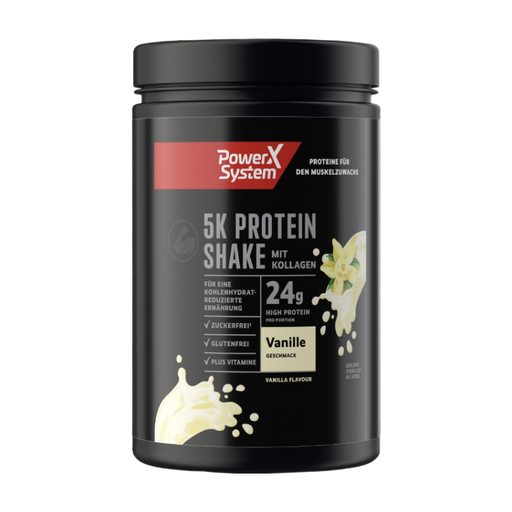
Why it suits this profile: The 360 g pack is a good option if you’d like to try a whey product in a smaller quantity first. It contains 79 g protein, 2.5 g fat and 6.1 g carbohydrates per 100 g.
The protein blend is clearly listed in the ingredients. Allergens such as milk, soya and egg are also stated, so you won’t mistake the recipe for pure whey.
Vanilla flavour, a sugar-free formula according to the product information, and added vitamins. Mix 30 g of powder with 250 ml of water.
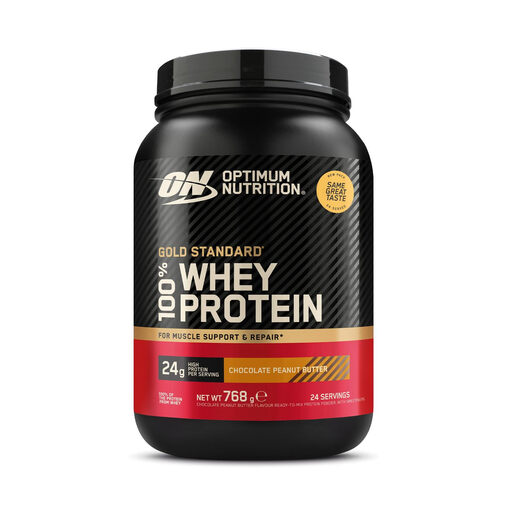
Why it suits this profile: The formula combines whey protein isolate, concentrate and hydrolysed whey. According to the nutrition information, a 30 g serving provides 23.7 g protein and 113 kcal.
Protein, sugar and carbohydrate values are given both per 100 g and per serving. This makes it easier to compare the product’s actual nutritional value with other options.
Whey protein isolate in the blend, 23.7 g protein per serving and several flavours available.
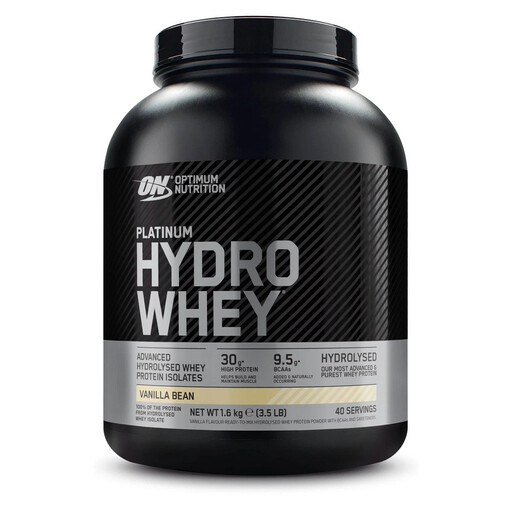
Why it suits this profile: The powder is designed for a 40 g serving and provides 30 g of hydrolysed whey protein isolate, according to the product information. The larger pack is suited to regular use.
The serving size, protein content and BCAAs are all clearly stated. This helps you see hydrolysis as a product feature, rather than a general promise of results.
30 g protein and 8.8 g BCAAs per 40 g serving, according to the product information; vanilla flavour and a 1,600 g pack.
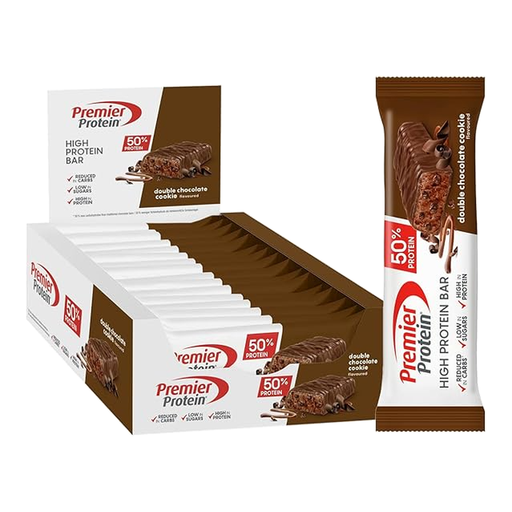
Why it suits this profile: This bar needs no shaker or water, making it handy for the office, travelling or the journey home from the gym. According to the product information, it contains 50% protein.
The stated protein content is accompanied by information about maltitol and sucralose. This makes it easier to understand what ‘low sugar’ means for this product.
16 individually wrapped 40 g bars, chocolate flavour and a palm oil-free recipe according to the product description.
We’ve put together a complete, regularly updated list of products that meet these strict selection criteria and fully comply with the safety regulations in force in the EU.
For a classic protein shake, mix 25 to 40 g of powder with water, milk or a plant-based drink, depending on the product. The amount of liquid affects the flavour and consistency, as well as the calorie count. Milk also adds protein, carbohydrates and fat.
Store the powder in a cool, dry place away from direct sunlight. Seal the tub or pouch properly after each use. Drink a prepared shake soon after making it, and don’t leave it unrefrigerated for long periods.
Food supplements are not a substitute for a balanced and varied diet. If you have allergies or a medical condition, take medication, are pregnant or are breastfeeding, it’s a good idea to speak to a doctor before use. Do not exceed the recommended daily amount stated on the packaging.
The right amount depends on the product instructions and your individual diet. A serving is often 25 to 40 g of powder. The amount of powder is not the only thing that matters: check the actual protein content per serving and your total daily protein intake.
You don’t have to take protein powder after a workout. It can be a convenient option if a protein-rich meal isn’t available soon afterwards. Quark, yoghurt, eggs, pulses or fish can also contribute to your daily protein intake.
The best-before date applies to an unopened pack that has been stored correctly. Once opened, keep the powder dry and tightly sealed. Don’t use it if it develops an unusual smell, becomes damp or lumpy, or changes in taste.