
Lieferung heute & morgen

Qualitätsgarantie

Willkommens-Angebote freischalten: KOSTENLOSE Lieferung | Bis zu 80 % RABATT | Kostenlose 30-Tage-JoyPlus-Testphase
App herunterladen
If you’re looking to buy whey protein powder, you’ll find countless brands, flavours and pack sizes. At first glance, many products look similar: high protein content, easy preparation and hints about using them after training. However, the differences often lie in the protein source, serving sizes, additives and the actual intended use.
As a Joybuy Product Recommendation Officer, I filter the relevant product data and highlight what adults in Germany should look for when buying. The selection below does not replace a balanced diet and contains no medical recommendations.
One product might contain 24 g of protein per serving, while another advertises 75 g of protein per 100 g. Without checking the serving size and the nutritional values per 100 g, comparing them is difficult.
So, make sure you check:
These values can vary depending on the flavour. Always refer to the nutrition table on the specific packaging.
Whey Concentrate contains more milk solids, fat and carbohydrates alongside protein, depending on the recipe. Whey Isolate is more heavily filtered and often has a higher protein content. That does not automatically mean an isolate is the better choice for everyone. What matters are your nutritional goals, tolerance, budget and desired composition.
Many products combine Whey Concentrate, Whey Isolate and partially hydrolysed Whey. Such a blend should not be bought just because it’s labelled “Premium” – instead, base your decision on the actual ingredients list.
A classic whey is primarily used to flexibly supplement your daily protein intake. A Mass Gainer, on the other hand, usually contains significantly more carbohydrates and calories. That can be useful for people with a higher calorie requirement, but it is not automatically suitable for a calorie-conscious protein shake.
For example: Optimum Nutrition Serious Mass is listed with more than 1,250 kcal, around 50 g of protein and over 250 g of carbohydrates per large serving, according to the product details. That is a different product category from a standard whey protein powder.
Pay attention to the order of ingredients. If Whey Protein Isolate or Whey Protein Concentrate appears at the top, they form the main component of the recipe. Sweeteners, thickeners, lecithin, cocoa or chocolate pieces may also be included.
For those with allergies, the allergen information is especially important. Whey contains milk derivatives. Depending on the product, soya, gluten, egg, peanuts or other ingredients may also be present.
A high-quality protein powder cannot be judged by brand or packaging alone. Compare at least:
With ESN Designer Whey Protein Vanilla Milk, the product details state 28.2 g of protein per 30 g serving. However, the nutritional values can differ between the various flavours of the product.
A small pack is ideal if you want to try a flavour first. Larger containers can be more practical for regular use, but they should be stored dry, cool, sealed and protected from direct sunlight.
For preparation, many products recommend around 180 to 300 ml of water or milk. A prepared protein shake should be consumed promptly and not left unrefrigerated for long periods.
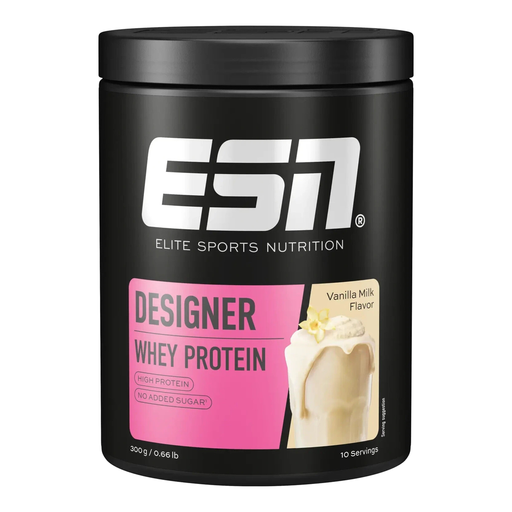
Why does it fit the profile? The 300 g pack offers a manageable amount for anyone wanting to try a protein powder or a particular flavour in everyday life and after training.
The small pack size reduces the risk of buying a large supply of a flavour that doesn’t suit you. The product details state 28.2 g of protein per 30 g serving.
Whey protein blend of concentrate and isolate, 300 g content, vanilla milk flavour, and preparation with water or low-fat milk.
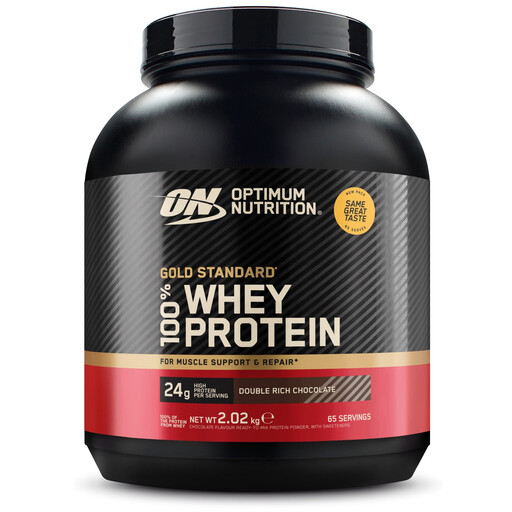
Why does it fit the profile? The large pack is aimed at people who regularly prepare a protein shake and prefer a bigger supply.
The nutritional values are given per 30 g serving. This allows you to clearly assess the protein content, calories and carbohydrates before buying.
According to the product details, 24 g of protein per serving, 113 kcal and a blend of Whey Isolate, Concentrate and hydrolysed Whey.
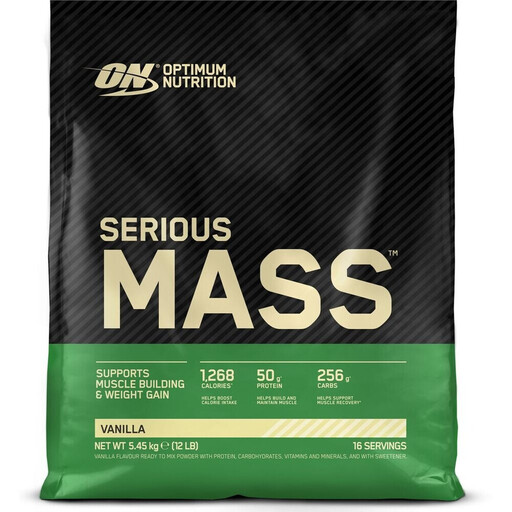
Why does it fit the profile? This product is designed as a Mass Gainer and is aimed at adults who want to consume plenty of carbohydrates and calories in addition to protein.
The clear classification as a weight gain product prevents a calorie-dense gainer from being mistaken for a light whey shake.
According to the product details, approximately 1,268 kcal, 50 g of protein, 256 g of carbohydrates and 3 g of creatine per 334 g serving.
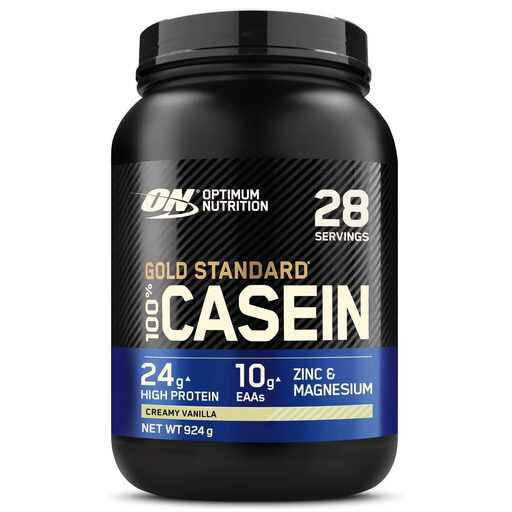
Why does it fit the profile? Casein protein is often used between meals or in the evening when a different texture and protein source from whey is desired.
The product type is clearly labelled as Micellar Casein and is not marketed as a standard whey protein.
According to the product details, 24 g of protein per 33 g serving, 117 kcal and 28 servings per pack.
The full selection of creamy protein shakes allows you to compare protein source, flavour, pack size and nutritional values.
A protein shake can be incorporated into your daily routine after training, between meals or at another convenient time. The exact timing is less important than your overall protein intake and the composition of your diet.
For a classic shake, 25 to 35 g of powder is usually sufficient, unless the packaging recommends a different serving. With a protein powder for muscle building, you should also consider your total intake, training goals and regular diet. Food supplements are not a substitute for a varied diet.
The best-before date is on the packaging. After opening, the powder should be stored dry, cool, sealed and protected from moisture. Only use powder that looks and smells normal.
No. Whey Isolate can have a higher protein content and fewer accompanying substances, but it is often more expensive. A Whey Concentrate or a blend may be sufficient for many users. What matters are the nutritional values, ingredients, tolerance and price per serving.
For a realistic comparison, divide the product price by the number of stated servings. Also consider whether you use water, milk or plant-based drinks. With larger packs, the price per serving can be lower, while smaller packs offer more flexibility for trying flavours.