
Lieferung heute & morgen

Qualitätsgarantie

Willkommens-Angebote freischalten: KOSTENLOSE Lieferung | Bis zu 80 % RABATT | Kostenlose 30-Tage-JoyPlus-Testphase
App herunterladen
Anyone looking to buy whey protein powder will find a wide range of flavours, pack sizes and protein blends. At first glance, many products appear similar. However, differences emerge in protein content, ingredient lists, allergens, serving size and mixability.
This guide from the Joybuy Product Recommendation Officer helps you assess marketing claims objectively and choose a protein powder that fits your everyday routine—whether you are looking for a whey protein shake after training, a protein-rich snack or a calorie-dense weight gainer.
A statement such as “25 g of protein per serving” may initially sound clear. However, what matters is the size of that serving and how much protein the powder contains per 100 g. Preparing it with milk increases the protein content, but also adds extra calories, carbohydrates and fat.
For a fair comparison, you should check:
A powder containing 79 g of protein per 100 g is not automatically better suited to every purpose than a product containing 71 or 75 g. Flavour, tolerance and cost per serving may also be relevant.
Whey concentrate contains not only protein but, depending on the product, also more milk sugar and fat. Whey isolate undergoes more extensive processing and often has a higher protein content. A blend of concentrate and isolate can be a practical choice for a daily protein shake.
The ingredient list remains essential. Pay attention to:
Terms such as “BCAA protein” should also be viewed objectively. BCAAs occur naturally in milk protein. Additional promotion of a BCAA profile does not replace comparing the product’s overall protein content.
A 2 or 3 kg pack can be convenient if you use the product regularly. For beginners or anyone trying a flavour for the first time, 300 to 500 g is often the lower-risk option. If the product is only used occasionally as a snack, a large pack may remain open for a long time.
You should therefore check:
For a classic protein powder for muscle building, whey blends are commonly used. Those following a vegetarian diet can use milk protein, provided they tolerate dairy ingredients. For a vegan diet, plant-based blends made from sources such as soya, pea and rice protein are suitable.
A vegan protein powder should not be selected solely on the basis of flavour. Check which protein sources are combined and whether allergens such as soya are present.
The nutrition table allows for a direct comparison. Among the products listed here, protein content ranges from approximately 71 to 79 g per 100 g. Values may vary by flavour; the information on the respective packaging is always decisive.
During a calorie-restricted diet, calories, sugar and fat may carry more weight. If you have a higher calorie requirement, however, a weight gainer with significantly more carbohydrates may be more suitable than pure whey protein.
Most products are mixed with water or milk in a shaker. Follow the recommended amount of liquid: depending on the product, the suggested quantity may range from 180 to 300 ml per serving. Using more liquid can produce a thinner shake, while milk generally increases both calories and creaminess.
Prepare your whey protein shake fresh and avoid storing it for unnecessarily long periods. If you have intolerances or known allergies, checking the ingredient and allergen information before purchase is essential.
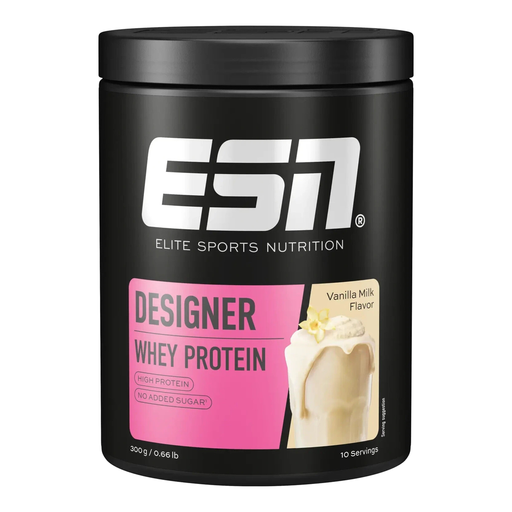
Why it suits this profile: The 300 g pack is ideal for trying a whey protein powder without committing to a large pack. According to the product information, the blend contains 75 g of protein per 100 g.
The 30 g serving size and nutritional values per 100 g make comparisons easier. Allergens such as milk and soya are declared.
Whey concentrate and whey isolate; prepared with 200 ml of water or low-fat milk; vanilla flavour.
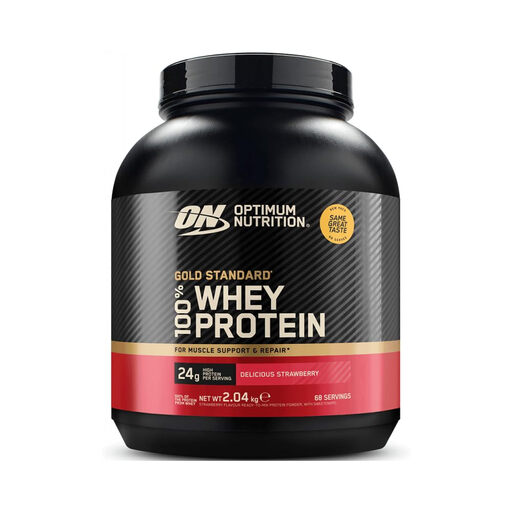
Why it suits this profile: The product information lists 79 g of protein per 100 g and 23.7 g per 30 g serving. The 2 kg size is aimed at people who use protein powder regularly.
Comparing protein, calories, carbohydrates and fat per 30 g prevents decisions based solely on an isolated marketing figure.
According to the product description, 113 kcal per serving; suitable for mixing with water or milk; resealable container.
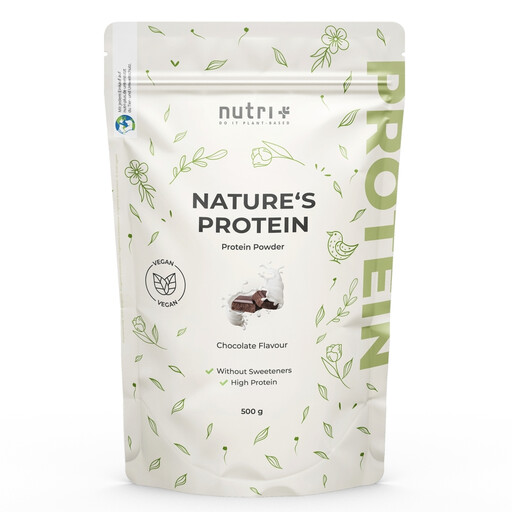
Why it suits this profile: The product combines soya, pea and rice protein, making it suitable for a plant-based diet. According to the product information, one serving provides 23 g of protein.
The clearly stated list of protein sources makes it clear that this is not whey but a vegan protein powder.
500 g pack; chocolate flavour; prepared with 300 ml of liquid; contains soya.
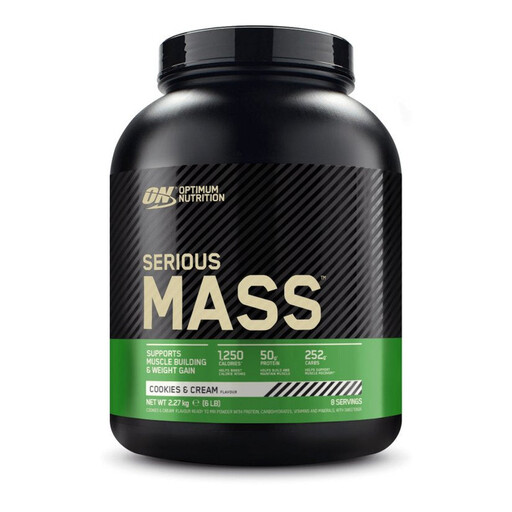
Why it suits this profile: The weight gainer is designed for people who want to add substantially more calories and carbohydrates alongside protein. According to the product information, one serving provides more than 1,250 kcal and approximately 50 g of protein.
The very large serving size of approximately 334 g shows that this is not a low-calorie standard whey product. This makes it easier to assess how it fits into your daily nutritional intake.
Large pack size; according to the product information, an additional 3 g of creatine per serving; contains milk and soya, and may contain gluten.
We have put together a current selection of products that meet these criteria and comply with the applicable labelling requirements for the German market.
This depends on the information provided for the individual product. Store protein powder in a dry, cool place, protected from light and tightly sealed. After opening, moisture and heat can affect its consistency. The best-before date and the instructions on the packaging are decisive.
A protein shake can be incorporated into your daily diet after training, between meals or at another suitable time. A fixed time of consumption is not necessary for everyone. What matters is your overall diet, individual protein intake and tolerance.
This can only be assessed by comparing the price per 100 g or per gram of protein. A large pack may be more economical if you use the product regularly, while a smaller pack reduces the risk of an unsuitable purchase. With whey isolate, you should also consider whether the higher price is justified by your personal requirements and the ingredient list.