
Lieferung heute & morgen

Qualitätsgarantie

Willkommens-Angebote freischalten: KOSTENLOSE Lieferung | Bis zu 80 % RABATT | Kostenlose 30-Tage-JoyPlus-Testphase
App herunterladen
If you're looking to buy whey protein powder, the UK market offers countless brands, flavours and blends. However, price alone doesn't tell you whether a product will suit your daily routine. What really matters are the protein source, the actual protein content, the ingredients list and how you plan to use it.
The following guidance will help you avoid common buying mistakes and choose a protein powder that fits sensibly into your diet and training.
One product might advertise "24 g protein per serving", while another gives the value per 100 g. What's more, serving sizes vary: 25, 30 or 32 g of powder are all common. So always compare:
Nutritional values can also change depending on the flavour. Always refer to the information on the specific pack.
Whey protein isolate undergoes more processing and, depending on the recipe, often contains a higher protein content than whey protein concentrate. This can be of interest if you're watching your intake of fat, carbohydrates or lactose.
Concentrate, on the other hand, is often better value for money and is sufficient for many athletes as a daily protein powder. The key is the actual nutrition table, not just the label on the front.
A cheap bulk bag is only worth it if you'll use the powder regularly. Very unusual flavours, lumps or thickening agents can affect the texture. If you plan to drink a protein shake every day, you should choose a flavour you enjoy, a resealable pack and a preparation method that fits your lifestyle.
Standard whey protein comes from milk whey and is usually sold as whey protein concentrate, whey protein isolate or a blend. Some products combine whey with milk, soya or egg protein. This changes the powder's properties and is especially important if you have allergies or intolerances.
So check the full ingredients list for:
Whey protein is not vegan. If you have known allergies, follow the warnings on the pack. If you have any health concerns, are taking medication or have special dietary requirements, it's wise to consult a doctor.
For a fair product comparison, the value per 100 g is particularly helpful. Among the products listed here, the stated protein values range from approximately 71 g to 79 g per 100 g, depending on the recipe and flavour.
A post-workout protein powder doesn't have to be taken at a specific time. It can also be used as part of your daily protein intake or as a snack. Your overall diet and individual protein needs matter more than any single shake.
Small 300 g packs are a good way to try a flavour first. Larger packs of 2 kg or 3 kg can be more practical if you use it regularly, but they tie up more money and need dry storage space.
For a fair price comparison, work out:
With combination products, also check whether they contain added creatine, vitamins or other ingredients, and whether you actually need them.
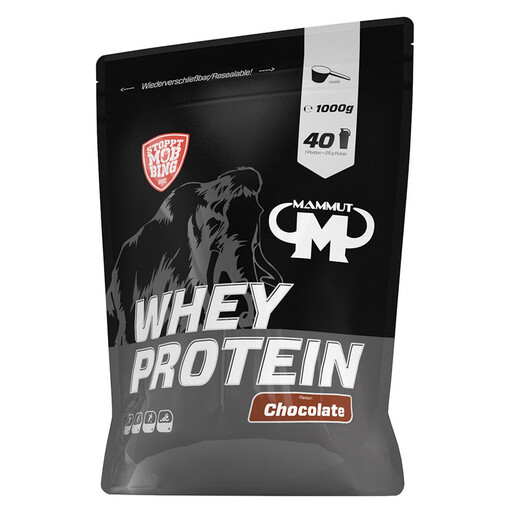
Why this product fits the profile: The 1 kg pack offers a manageable starting point. According to the product information, one serving contains 25 g of powder and 27 g of protein when made with milk; you should check the values against the pack label.
The serving size and recommended preparation are clearly stated. This makes it easier to estimate actual usage before you buy.
Whey concentrate, scoop included and chocolate flavour; suitable for mixing with water or milk.
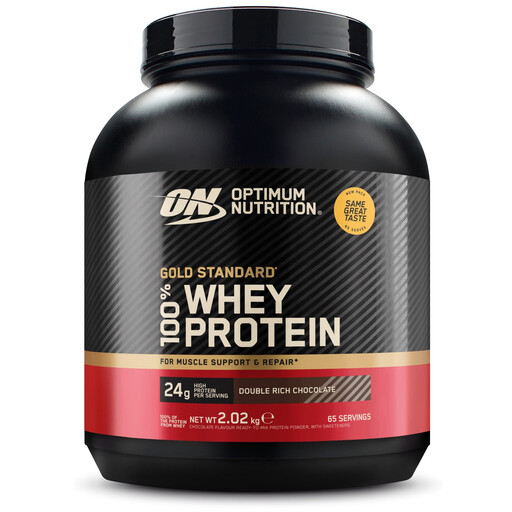
Why this product fits the profile: According to the product description, the recipe combines whey protein isolate, concentrate and hydrolysed whey protein fractions. A 30 g serving provides 24 g of protein and 113 kcal.
The nutritional values per serving and the protein sources are clearly stated. This means you don't have to rely on marketing claims alone.
2,020 g pack, 24 g protein per stated serving and versatile use in shakes, smoothies or meals.
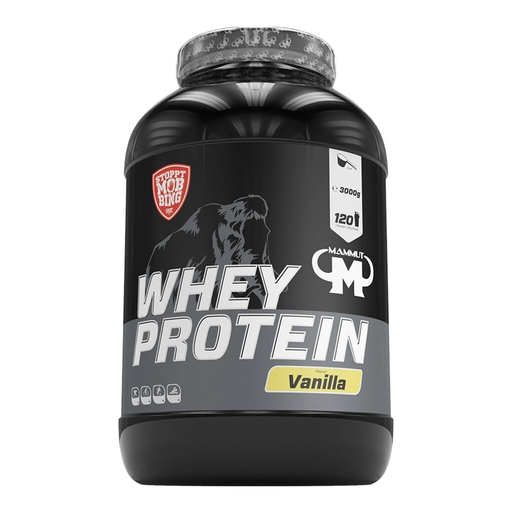
Why this product fits the profile: The large pack is aimed at people who make protein shakes regularly. According to the product information, the powder is mostly whey protein concentrate and provides around 27 g of protein per serving.
The large pack only makes sense for regular use. You should plan for the stated shelf life after opening and dry storage before buying.
3 kg format, vanilla flavour and scoop included; according to the information, intended for mixing with water or semi-skimmed milk.
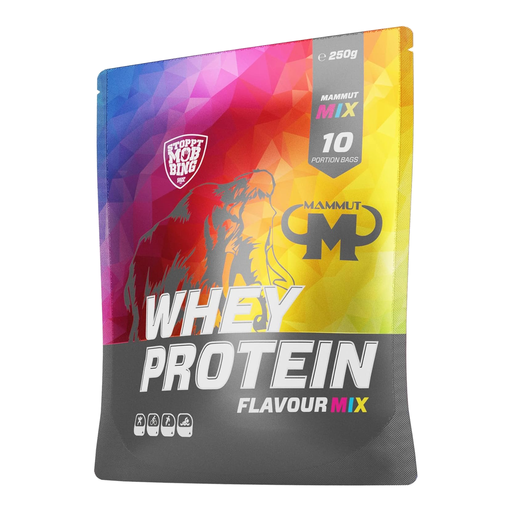
Why this product fits the profile: This taster box contains ten servings in different flavours. It's ideal if you want to avoid buying a large pack before you've tried a flavour.
The individual servings reduce the risk of buying a large pack with a flavour or recipe that doesn't suit you.
250 g total weight, ten different flavours and, according to the product description, 27 g of protein per serving.
We've put together a full, regularly updated list of products that meet these strict selection criteria and comply with EU safety regulations.
To make a protein shake, mix the powder with water, milk or a suitable alternative according to the manufacturer's instructions. A shaker can improve solubility; the recommended amount of liquid affects the taste and consistency. Once mixed, shakes should be drunk promptly and not left unrefrigerated for long periods.
Store protein powder in a dry, cool place, tightly sealed and away from direct light. Moisture can affect how well it flows. With opened large packs, it's a good idea to follow the manufacturer's stated use-by period after opening.
Depending on the product, around 25 to 32 g of powder is typical. Always follow the serving recommendation on the pack. Your daily needs should match your overall diet, body weight and physical activity. A shake is not a substitute for a balanced diet.
Not necessarily. Depending on the recipe, isolate can have a higher protein content and lower levels of fat or carbohydrates. Concentrate is often a practical option for daily supplementation. Compare the nutritional values and ingredients of the specific product.
The shelf life depends on the best-before date, the packaging and how it's stored. After opening, keep the powder dry and well sealed. Always follow the manufacturer's instructions for use after opening.