
Lieferung heute & morgen

Qualitätsgarantie

Willkommens-Angebote freischalten: KOSTENLOSE Lieferung | Bis zu 80 % RABATT | Kostenlose 30-Tage-JoyPlus-Testphase
App herunterladen
Whey protein can supplement your daily protein intake – after training, while you’re out and about, or when a high-protein meal isn’t possible. However, the range available from German online retailers is extensive. Differences in protein source, serving size, sweeteners and price per serving often only become apparent when you take a closer look at the label.
A large number on the front does not automatically mean a high protein content. The key figures are those per 100 g and per serving. For example, a whey protein powder providing 24 g of protein per 30 g serving has a different concentration from a product providing 22 g of protein in a larger serving.
Preparation also matters: mixing the protein shake with milk increases the calorie, carbohydrate and protein content compared with preparing it with water.
Whey Protein Isolate is more heavily filtered and generally has a higher protein content, as well as less fat and lactose, than a pure concentrate. Whey Protein Concentrate can be appealing in terms of taste and price, but depending on the product, it contains more of the milk’s additional components.
Many products combine isolate, concentrate and hydrolysed whey protein. This is not necessarily a disadvantage. However, buyers should check the ingredients list and the actual protein content rather than relying solely on terms such as “Premium” or “High Performance”.
A 2 or 3 kg container may seem good value at first glance. For a meaningful comparison, you should calculate the price per 100 g of protein, or at least the price per serving. A large pack is only worthwhile if you already know that you like the flavour and tolerate the product well. A smaller pack or sample set can help you avoid a purchase you may regret.
Check whether the product consists mainly of whey protein or also contains casein, soya, collagen or other protein sources. Classic whey products usually contain concentrate, isolate or a combination of the two. For example, the Power System 5K Protein Shake contains several protein sources, including whey, calcium caseinate, soya and collagen. This gives it a different product profile from a pure whey protein.
For muscle growth and maintenance, your total daily protein intake is what matters. A protein shake is not a substitute for a balanced diet and should be considered as part of your individual energy and protein requirements.
Compare the following per serving:
A low-sugar protein powder may be of interest to people who are keeping an eye on their carbohydrate and calorie intake. For the Optimum Nutrition variants listed, around 113 to 119 kcal and approximately 1.0 to 1.3 g of sugar per serving are stated, depending on the flavour. Values may vary between flavours; the label on the individual pack is the authoritative source.
Good mixability makes a product easier to use in a shaker, but says little about its composition. You should therefore also read the ingredients and allergen list. Milk is common in whey products, while some varieties also contain soya or gluten-containing ingredients.
BCAA protein is not a separate protein raw material: BCAAs are branched-chain amino acids that occur naturally in whey protein. Whether an additionally advertised BCAA product is useful depends on your individual nutrition plan. Looking at the actual BCAA quantity per serving is more informative than the name alone.
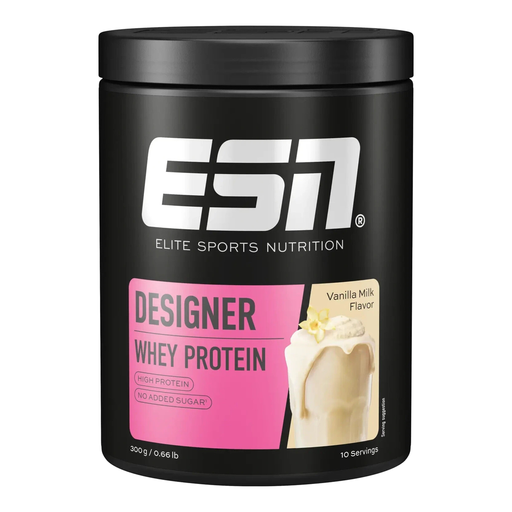
Why this product suits this profile: The 300 g pack is ideal for trying the flavour and seeing how well you tolerate it in everyday life or after training, without committing to a large pack straight away.
The small pack size reduces the risk of being left with a large unused supply if you do not like the product. According to the product details, the blend contains whey concentrate and whey isolate.
30 g serving, stated protein content of 75 g per 100 g, and preparation with water or semi-skimmed milk.
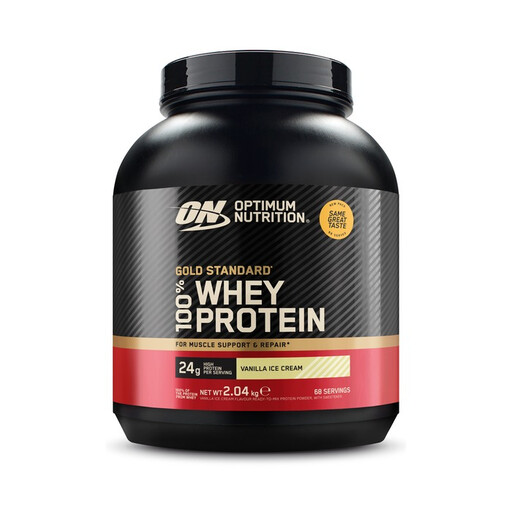
Why this product suits this profile: The combination of isolate, concentrate and hydrolysed whey is aimed at regular users who want to compare nutritional values and larger pack sizes.
The product details state a serving size of 32 g, 24 g of protein, 119 kcal and 1.3 g of sugar. This makes it easier to assess marketing claims against specific figures.
63 stated servings, whey isolate as part of the blend, plus 3.4 g of creatine per serving in the combination product.
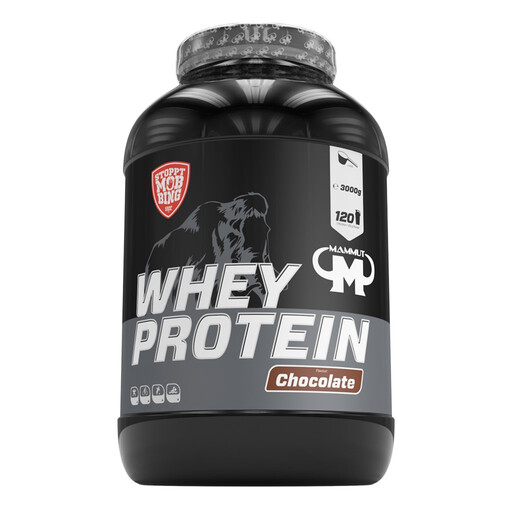
Why this product suits this profile: The 3 kg tub is designed for regular use, for example in daily shakes after training or as a supplement between meals.
The serving size is clearly stated as 25 g. According to the product details, the recipe is based on 89% whey concentrate, clearly distinguishing it from an isolate product.
Large supply, measuring scoop and stated protein content of 27 g per serving when prepared with 300 ml of semi-skimmed milk.
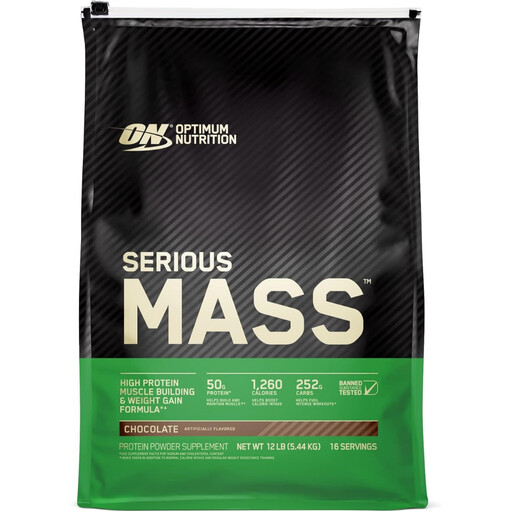
Why this product suits this profile: This is not a classic whey protein, but a high-calorie weight gainer for people who want to consume plenty of carbohydrates as well as protein.
The high energy content is clearly stated: according to the product details, a 334 g serving provides around 1,263 kcal and 50 g of protein. This prevents it from being confused with a low-calorie whey shake.
5.45 kg pack size, 250 g of carbohydrates and 3 g of creatine per stated serving.
We have put together a complete, regularly updated list of products that fully meet these strict selection criteria and the safety regulations applicable in the EU.
For many products, the recommended amount of liquid is between 180 and 300 ml per serving. Water keeps the additional energy content low, while milk changes the flavour and nutritional values. The powder should be stored somewhere dry, cool and protected from light. After opening, it is best kept in a tightly sealed container to prevent moisture from getting in.
A prepared protein shake should be consumed promptly and not left unrefrigerated for extended periods. If you have allergies to milk, soya or any other declared ingredients, the ingredients list for the specific flavour is the one to follow.
You can have a protein shake after training, between meals or at another suitable time. The exact timing is less important than your total daily protein intake and a balanced diet.
The best-before date is shown on the packaging. Once opened, the powder should be stored somewhere dry and cool in an airtight container. Clumping, an unusual smell or moisture are signs that it should no longer be used.
That depends on the product and how it is prepared. A whey shake made with water can provide comparatively little energy. A weight gainer such as Serious Mass, on the other hand, contains a significantly larger serving with plenty of carbohydrates and calories. The important factors are the nutritional values per serving and your personal nutrition plan.