
Lieferung heute & morgen

Qualitätsgarantie

Willkommens-Angebote freischalten: KOSTENLOSE Lieferung | Bis zu 80 % RABATT | Kostenlose 30-Tage-JoyPlus-Testphase
App herunterladen
Anyone looking to buy whey protein powder will find a wide range of varieties, pack sizes and recipes in German online shops. The differences are not limited to flavour. The actual protein content, protein source, allergens, serving size, solubility and price per serving are all important.
The Joybuy Product Recommendation Officer filters the relevant details and categorises them according to specific usage scenarios. This helps you avoid choosing a product that is marketed prominently but does not suit your diet or training plan in everyday use.
A statement such as “24 g protein per serving” initially sounds clear. However, for comparison purposes, it is important to know how large that serving is and how much protein is contained in 100 g protein powder. A large serving can create the impression of an especially high protein content, even though the figure per 100 g is fairly average.
Whey protein isolate is filtered more extensively than a whey protein concentrate and often has a higher protein content, as well as less fat and fewer carbohydrates. However, this does not mean that every isolate is more practical or economical for all buyers. Anyone who drinks a protein shake regularly and has a limited budget may find that a concentrate is a suitable option.
A 2 or 3 kg container can reduce the price per serving. However, if the flavour quickly becomes boring or the powder does not dissolve well, some of it may go unused. Smaller packs or sample sizes are therefore more suitable for beginners. Frequent users, on the other hand, should compare the price per 25 or 30 g rather than just the total price.
For an objective comparison, these figures should be considered together. The available product information includes, for example:
The figures may vary between flavours. The nutritional table on the relevant packaging remains the authoritative source.
A whey protein concentrate typically contains more milk components alongside the protein than an isolate. For a blend of concentrate and isolate, it is worth checking the order of the ingredients. If the protein blend appears first, it is the main ingredient by quantity.
Buyers should also look out for milk, soya, gluten, egg and nuts. Lecithin is often used as an emulsifier and may be derived from soya or sunflower. In the case of intolerances, the complete ingredients and allergen list is more important than claims such as “creamy” or “easy to dissolve”.
The recommended servings for the products mentioned are generally between 25 and 32 g. Depending on the variant, this is mixed with approximately 180 to 300 ml of water or milk. A protein shake after training can be convenient, but it needs to fit into your personal daily diet. Using milk also increases the calorie, carbohydrate and protein content.
For ongoing costs, the following applies:
Cost per serving = pack price ÷ number of stated servings
For large packs, you should also check how long the powder should be used after opening and whether the container can be stored somewhere dry, cool and securely sealed.
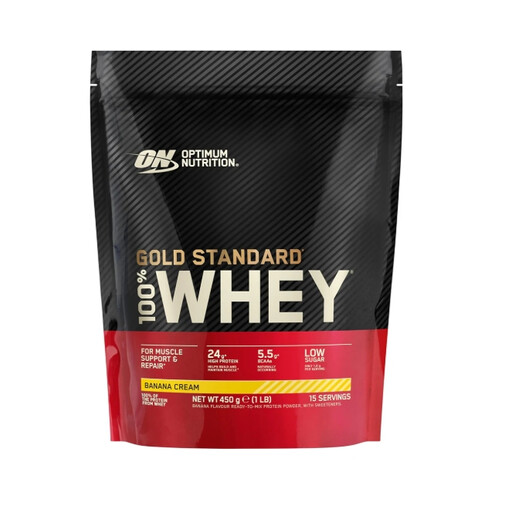
Why this product suits this profile: The smaller pack is a manageable way to get started without buying a large supply straight away. The product information states approximately 24 g protein per 31 g serving.
The manageable pack size reduces the risk of being left with a product for a long time if the flavour is not right for you. Nutritional values are provided per 100 g and per serving.
450 g pouch, approximately 24 g protein per serving, and preparation with water or milk.
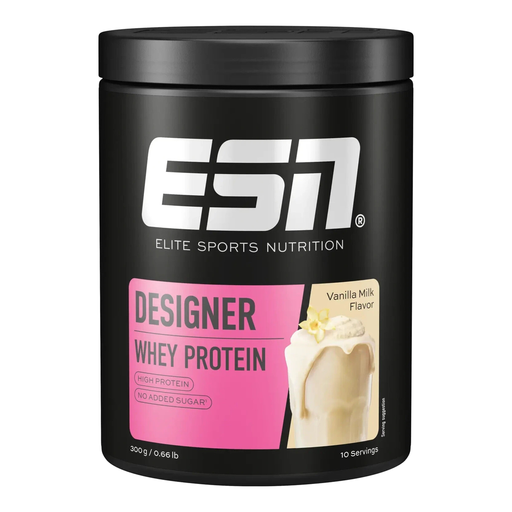
Why this product suits this profile: According to the product information, the protein blend combines concentrate and isolate. The 300 g pack is suitable for buyers who want to assess the ingredients and serving size before making a larger purchase.
The protein content is stated per 100 g. It is also clear that milk and soya allergens need to be taken into account.
Blend of whey concentrate and whey isolate, 30 g serving, and use with water, milk or a plant-based drink.
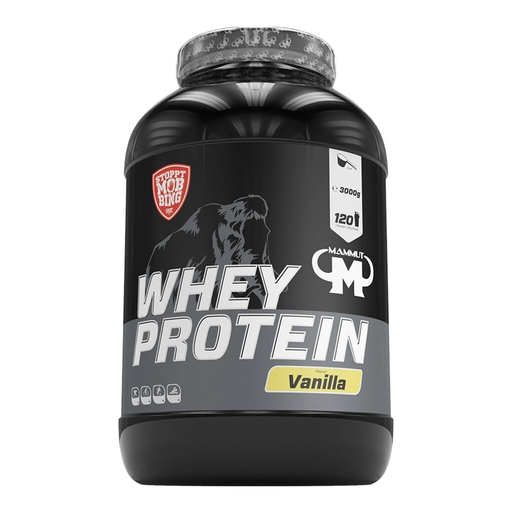
Why this product suits this profile: The large pack is aimed at people who regularly prepare protein shakes and need a substantial supply. According to the product information, the vanilla variant is primarily based on whey protein concentrate.
The large quantity only makes sense if regular consumption is realistic. Check the recommended serving, storage requirements and period of use after opening before buying.
3,000 g container, scoop and approximately 27 g protein per serving when prepared with milk, according to the product information.
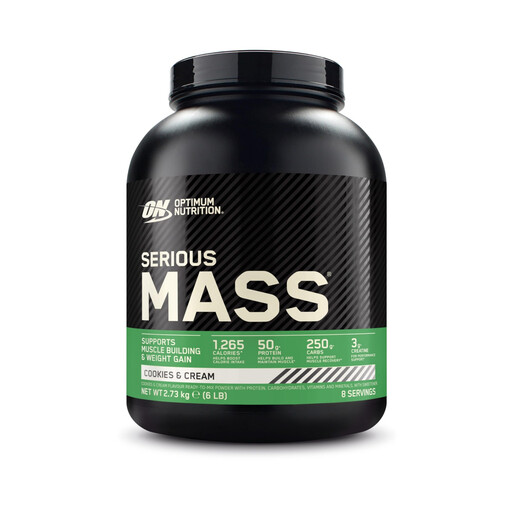
Why this product suits this profile: A weight gainer is designed for people who want to plan for substantially more energy and carbohydrates alongside protein. The serving is considerably larger than that of classic whey protein.
This product should not be confused with a low-calorie whey powder: according to the product information, a serving of approximately 340 g provides more than 1,250 kcal, around 50 g protein and more than 250 g carbohydrates.
High energy density, 2.73 kg container and an additional 3 g creatine monohydrate per stated serving.
We have put together a complete, regularly updated list of products that fully meet these strict selection criteria and the safety regulations applicable in the EU.
Most products are mixed with cold water or milk in a shaker. Check the packaging for the recommended amount of liquid, as too little liquid can encourage clumping. A prepared protein shake should be consumed promptly and not left unrefrigerated for an extended period.
The powder should be kept in a dry, cool and light-protected place. Reseal the container securely after each use. If you have allergies, existing health conditions, take medication, are pregnant or breastfeeding, it is advisable to consult a doctor. Food supplements are not a substitute for a balanced and varied diet.
The best-before date on the packaging is the key reference. After opening, the powder should remain dry and be kept in an airtight container. Moisture can affect its consistency and solubility.
Depending on your personal diet, a protein shake can be used in the morning, between meals or around your training session. There is no single set time that is necessary for everyone. What matters is whether the protein powder for muscle building, muscle maintenance or supplementing your daily protein intake fits into your individual diet plan.
Whey protein mainly provides protein and is usually prepared with a serving of around 25 to 32 g of powder. A weight gainer also contains considerably more carbohydrates and calories. Your choice should therefore be based on your actual energy needs, not just the protein content.