
Lieferung heute & morgen

Qualitätsgarantie

Willkommens-Angebote freischalten: KOSTENLOSE Lieferung | Bis zu 80 % RABATT | Kostenlose 30-Tage-JoyPlus-Testphase
App herunterladen
Anyone looking to buy whey protein powder will find a wide choice of brands, protein sources, pack sizes and flavours. However, whey concentrate, whey isolate, vegan protein powder and blends with creatine differ considerably. An eye-catching label or a large pack discount alone says little about whether a protein powder suits your everyday routine.
The Joybuy Product Recommendation Officer selection therefore focuses on clear, verifiable details such as protein per serving, ingredients, allergens, serving size and price per 100 grams.
Some products state their protein content per 100 grams, while others give it per serving. This can make a large serving appear particularly high in protein at first glance. For a fair comparison, you should look at both figures:
A product providing 25 grams of protein per serving is not automatically better value than one providing 23.7 grams. The key factors are the price per serving and per 100 grams.
Whey concentrate typically contains more milk components, fat and carbohydrates alongside the protein. Whey isolate is filtered more extensively and often has a higher protein content with lower levels of fat and carbohydrates. Both varieties can be suitable for a protein shake; the right choice depends on your diet, tolerance, budget and preferred nutritional profile.
Terms such as “BCAA protein” should also be viewed objectively. BCAAs, or branched-chain amino acids, occur naturally in milk protein. An additional BCAA claim therefore does not replace checking the full nutrition table.
A low-sugar protein powder may still contain sweeteners or carbohydrate-containing ingredients. You should therefore check:
Products containing cereal pieces or flavoured blends may have a higher carbohydrate content than a neutral whey isolate.
For athletes, strength trainers and active adults, the protein source is a key selection criterion. Classic whey protein is made from milk. If you want to avoid dairy ingredients, you can choose a vegan protein powder made from pea, rice, soya or several plant-based sources.
Combining different plant proteins can complement the recipe’s amino acid profile. Even so, you should check the label for allergens such as soya, wheat, gluten or almonds. “Vegan” does not automatically mean free from all common allergens.
Look for a clearly stated serving size and compare at least:
The Optimum Nutrition Gold Standard 100% Whey in the 2,000-gram class, for example, states 23.7 grams of protein per 30-gram serving, 113 kilocalories and 1.7 grams of carbohydrates, according to the product information. Values may vary depending on the flavour; the relevant packaging is always decisive.
Milk is a typical allergen in whey products. Some recipes also contain soya lecithin, cereal ingredients or nuts. The information on the packaging is authoritative.
For maintaining shelf life after opening, it is important to store the product in a dry, cool place, keep it in a tightly sealed container and observe the best-before date. An opened 3-kilogram container only makes sense if it is used regularly. For occasional protein shakes, packs of 300 to 800 grams or individual sachets may be more practical.
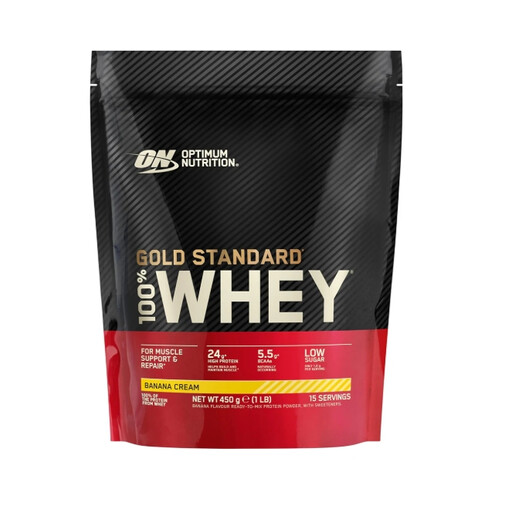
Why this product suits the profile: The smaller pack is ideal for trying a flavour without immediately buying a large supply.
The nutritional information states 24 g of protein per 31-g serving and 0.7 g of sugar. This makes it easy to check the serving size and sugar content directly.
Whey blend containing whey isolate, a 450-g pack and preparation with water or low-fat milk.
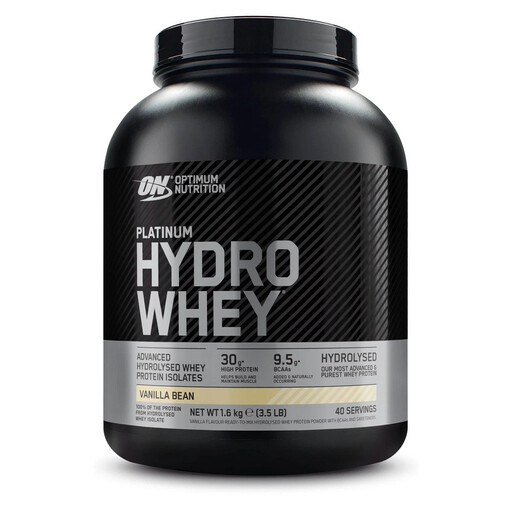
Why this product suits the profile: According to the product information, the recipe is aimed at users who prefer a hydrolysed whey isolate with detailed labelling.
The serving size is clearly stated as 40 g. Each serving provides 30 g of protein, 2 g of carbohydrates and 0.5 g of sugar.
Hydrolysed whey isolate, 30 g of protein per 40 g serving and 8.8 g of BCAAs stated in the product information.
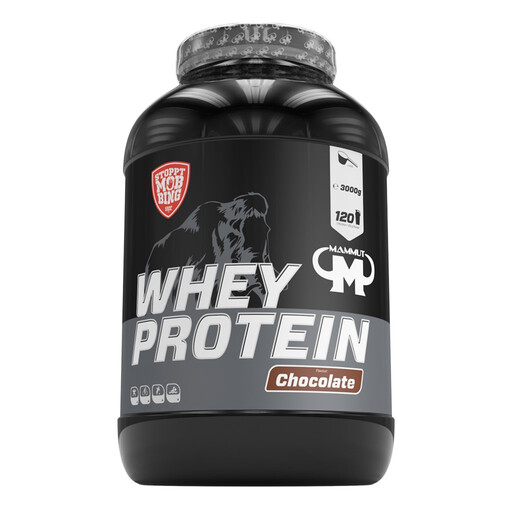
Why this product suits the profile: The large container is designed for regular protein shakes and high consumption as part of a training routine.
This pack size should only be chosen if you use protein powder regularly. The product information states 25 g of powder and 27 g of protein per serving.
3-kilogram container, whey concentrate and scoop; according to the product information, the chocolate variety contains 89% Whey Protein Concentrate.
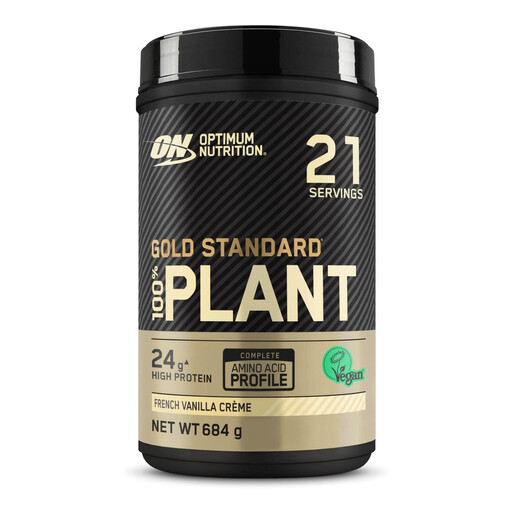
Why this product suits the profile: According to the product information, the recipe is based on pea and rice protein and is intended for a vegan diet.
The ingredients list clearly identifies the plant-based protein sources. Possible traces of egg, gluten and peanuts should be taken into account before buying.
24 g of protein per 36-g serving, 21 servings per pack and a caffeine-free recipe according to the product description.
We have put together a complete, regularly updated list of products that fully meet these strict selection criteria and the safety regulations applicable in the EU.
The best-before date and the manufacturer’s instructions are the key factors. The powder should be stored in a dry, cool, dark place and kept tightly sealed. A damp scoop can encourage clumping and loss of quality. Large packs are therefore mainly worthwhile if you use the product regularly.
A protein shake can be a convenient way to supplement your daily protein intake. However, it does not have to be taken at a specific time. Your overall diet, serving size and individual requirements are what matter. Protein powder after training can be used just as easily as a shake at another time of day.
The price depends on the brand, pack size, flavour and recipe. Whey concentrate is often less expensive, while whey isolate usually has a higher protein content and fewer additional components. Compare the price per 100 grams of protein rather than just the pack price. Products such as protein powder with creatine should also be assessed separately, based on whether the added ingredient is actually needed in your own nutrition plan.