
Lieferung heute & morgen

Qualitätsgarantie

Willkommens-Angebote freischalten: KOSTENLOSE Lieferung | Bis zu 80 % RABATT | Kostenlose 30-Tage-JoyPlus-Testphase
App herunterladen
By a Joybuy Product Recommendation Officer
Choosing to buy whisky online unlocks a world of incredible variety. However, the sheer number of options can quickly become overwhelming. Anyone looking to purchase whisky is often confronted with marketing jargon and vague quality claims. This guide will help you identify the key characteristics and make an informed choice that suits your taste and budget.
Before you add a bottle to your cart, you should be aware of three common misconceptions that often lead to disappointing purchases.
To find the right whisky, you should focus on three fundamental criteria. These will help you filter the vast selection and find a bottle that meets your expectations, whether for sipping neat, for cocktails, or as a high-end whisky gift.
The most important distinction lies in the type of whisky, which is determined by its origin, raw materials, and production process.
The aroma is crucial to the experience. Most whiskies can be roughly divided into the following flavour categories:
Two technical details on the label provide insight into the whisky's intensity and natural character:
Based on the criteria above, we have selected a few products for different user profiles.
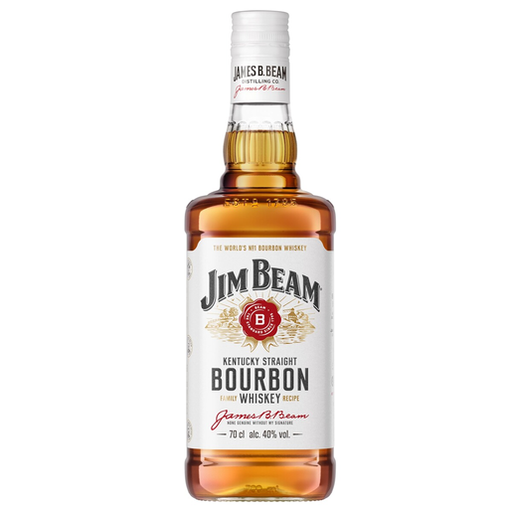
Why it's a great fit: Ideal for anyone looking for a straightforward and versatile whiskey. Its sweet profile with notes of vanilla and oak is approachable and works perfectly for sipping on the rocks or as a reliable base for classic cocktails like the Whiskey Sour.
This product relies on a clear, defined standard (Kentucky Straight Bourbon) instead of vague marketing terms. Its value lies in consistent quality, not an inflated age statement or fabricated exclusivity.
A globally established flavour profile that offers excellent value for money and provides a solid foundation for any home bar.
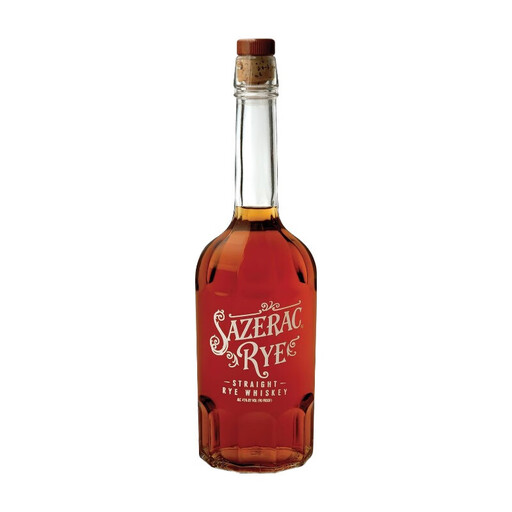
Why it's a great fit: For those specifically seeking a bold and spicy flavour experience. This Rye Whiskey delivers the typical rye spice with notes of clove, anise, and pepper, which clearly sets it apart from sweeter bourbons.
The purchase decision here is based on a specific raw material (rye) and its resulting flavour profile, not on a vague regional claim. The "Straight Rye Whiskey" designation is subject to clear legal requirements.
A characterful, spicy profile that can be enjoyed neat and forms the historical foundation for cocktails like the Sazerac or a classic Manhattan.
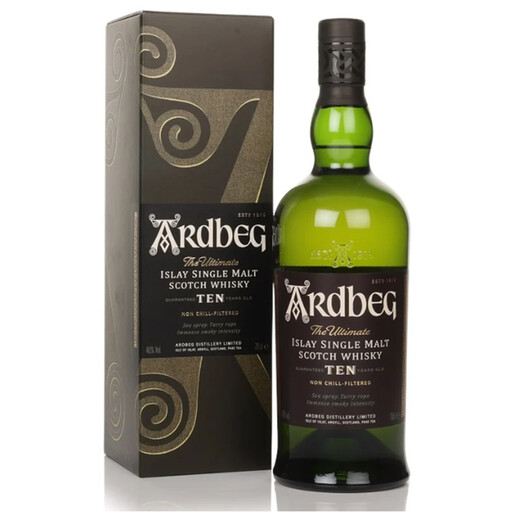
Why it's a great fit: An excellent choice for anyone wanting to experience a distinctive and multi-layered Single Malt Scotch Whisky. It combines intense peat smoke with an underlying sweetness of toffee and citrus.
This whisky's value lies not just in its age, but in the combination of origin (Islay), production method (peating), and objective quality markers like being non-chill filtered and bottled at a robust 46% ABV.
An intense and complex flavour profile with a balance of smoke and sweetness. Being non-chill filtered ensures a full, textured mouthfeel.
We have compiled a complete, up-to-date list of products that meet these strict selection criteria and quality standards.
The spelling depends on the region of origin. In Scotland, Canada, and Japan, it is traditionally spelled Whisky. In Ireland and the United States, the common spelling is Whiskey. In terms of content, both terms refer to a spirit distilled from grain and matured in casks.
An opened bottle of whisky should always be stored upright in a cool, dark place. Unlike wine, the bottle should not be stored on its side, as the high alcohol content could damage the cork and affect the taste. Direct sunlight and significant temperature fluctuations should be avoided.
Although no specific glass is strictly necessary, the shape of the glass can enhance the tasting experience. A classic tumbler is well-suited for whisky on the rocks or for cocktails. For tasting neat, especially complex single malts, a nosing glass (e.g., a Glencairn glass) is recommended. Its tulip shape concentrates the aromas, making them easier to perceive.