Dip-makers with set times for using the kitchen
You want to blend a suitable portion during your allotted time, then leave the bowl, blade and worktop free for others.


For the occasional small batch made with cooked beans, a mini chopper is a natural place to start. If you’re preparing larger quantities or also want to slice and grate ingredients, a food processor with a work bowl is likely to be a better fit. The key things to consider are the permitted processing quantity for the specific model, the consistency you want and how easy it is to clean and store between cooking sessions. If you’re considering a particular product, also check the applicable CE marking: it is a declaration by the manufacturer, not an independent quality mark.
You want to blend a suitable portion during your allotted time, then leave the bowl, blade and worktop free for others.
If you often prepare larger quantities or several dishes, slicing and grating attachments may be useful alongside a blade.
You want to put the appliance and its accessories away after use, rather than leave them taking up shared worktop space.
When you’re sharing a kitchen, the largest stated capacity isn’t necessarily what matters most. Check how much the manual says you can process, and how easy the removable parts are to clean and store afterwards.
A good fit if: you’re making small portions with cooked beans and have limited worktop space or time for washing up. Kenwood lists a 500 ml capacity for the CHP61.100WH, while KitchenAid also describes the 5KFC3516EOB as suitable for dips.
The trade-off: larger recipes may need to be processed in batches; the bowl capacity alone doesn’t tell you how much dip you can process at once.
A good fit if: you regularly make larger quantities of dip and also want to slice or grate ingredients. Bosch lists a universal blade and other attachments for the MCM3501M.
The trade-off: extra attachments need more storage space and cleaning. Kenwood’s stated 1.5 l working capacity for liquids is not a confirmed limit for thick white bean dip.
| Buying priority | What to check | Who it matters most to |
|---|---|---|
| Portion size and consistency | Check your recipe quantity against the manual for the complete model; look at the blade and pulse or speed controls. | If I want to process a particular quantity of dip and control its consistency, this is a key consideration. Around 36% of consumers prioritise portion size and consistency. |
| Cleaning and handing over | Check the cleaning instructions for each removable part; care for the motor unit and blade according to the relevant instructions. | When we share a cooking schedule, I want to hand over the bowl, lid and blade clean and on time. Around 29% of consumers pay particular attention to cleaning and timely handovers. |
| Worktop and storage space | Compare the dimensions of the appliance, bowl and accessories with the available worktop and cupboard space. | If I need to put the appliance and accessories away after my cooking slot, the space required for the whole set-up matters. Around 21% of consumers prioritise worktop and storage space. |
| Other prep alongside the dip | Check what’s included with the complete model code; don’t assume every version in a product range comes with the same accessories. | If you also want to slice or grate ingredients during the same cooking slot, you’ll need the right attachments. Around 14% of consumers prioritise these additional food-preparation tasks. |
For the FDM72.990SS, Kenwood distinguishes between a 3.0 l bowl capacity and a 1.5 l working capacity for liquids. Neither figure automatically tells you the permitted quantity for thick white bean dip.
Check your recipe quantity against the manual for the complete model.
Larger quantities may need to be processed in batches, which means more time spent cleaning.
The model code MCM3100W is not the same as MCM3501M, so you can’t assume they have the same features and accessories just because they’re in the same product range.
Check the complete model code and the included attachments before choosing a particular version.
Manufacturer cleaning instructions apply to the specific parts they name; they don’t automatically cover the motor unit, blade and every accessory.
Check the cleaning instructions for the specific model and for the bowl, lid, blade and motor unit separately.
The models mentioned range from the mini chopper CHP61.100WH to the larger MultiPro XL Weigh+ FDM72.990SS.
The 5KFC3516EOB mini chopper is a compact option for making smaller batches of dip.
The MultiTalent 3 MCM3501M is worth considering if you have other food-preparation tasks to do alongside making dip.
The MultiQuick 5 Pro MQ55254M is an alternative that comes with a hand blender and mini food processor attachment.
The Joybuy appliances shown here have a chopping function for preparing dips. Check the quantity and accessory information for each specific model.
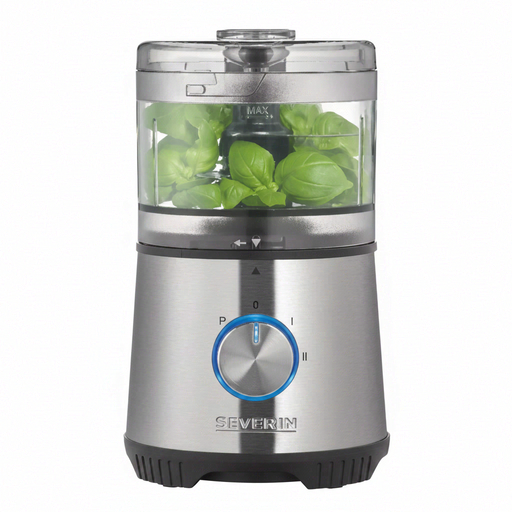 No image available
Removable parts make it easier to clean the appliance between shared cooking sessions.
 No image available
Two bowl sizes may be useful if you want to prepare different quantities depending on what you’re making.
 No image available
The product description mentions cooked beans for the high setting; use the appliance only as directed in the manual.
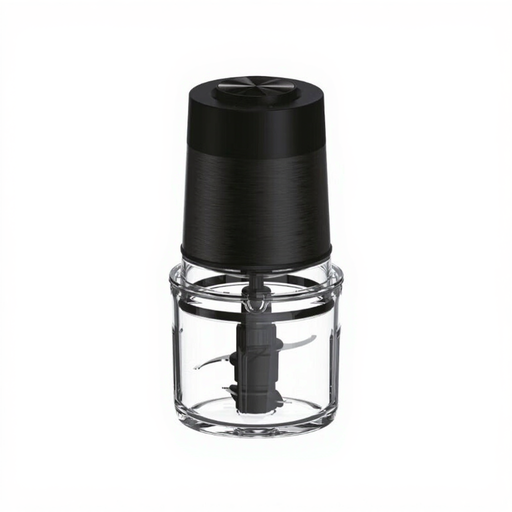 No image available
The removable bowl and blades are useful if you need to clean the parts promptly after cooking.
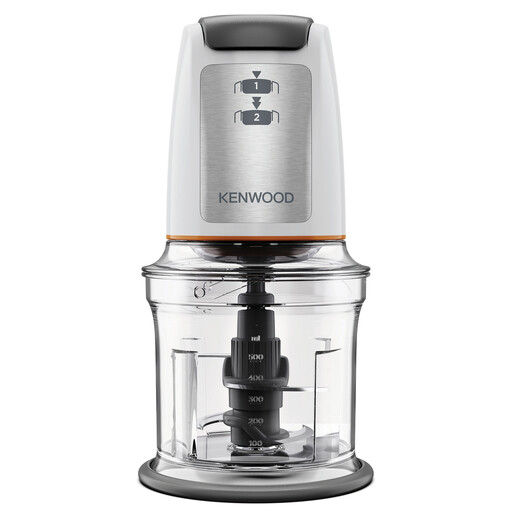 No image available
Kenwood describes this mini chopper as suitable for small to medium portions of dip, and lists removable, dishwasher-safe parts.
No. The German Federal Institute for Risk Assessment warns against eating raw beans, as beans other than green beans can also contain harmful lectins. Dried beans must be heated and cooked thoroughly before blending; a chopper doesn’t replace this step.
Clean the parts that come into contact with food according to the instructions for the specific model, then hand the appliance over clean. The German Federal Institute for Risk Assessment recommends using separate utensils for raw, cooked and ready-to-eat foods. Dishwasher-safe claims apply only to the parts specified by the manufacturer.
The German Federal Institute for Risk Assessment recommends storing perishable foods covered and separately in a fridge at 2 °C to no more than 7 °C, and cooling warm food promptly if it is to be stored for longer. This doesn’t establish a general storage life for every dip recipe.
Your statutory rights apply against the seller. Any additional guarantee on offer is separate and subject to its own terms. The Verbraucherzentrale describes repair or replacement as the remedies available to put things right.
For electrical appliances that are subject to CE marking requirements, the manufacturer uses the CE mark to declare that the product meets the applicable EU requirements. The European Union makes clear that the mark is not an independent quality seal. Check the marking on the specific appliance and its manufacturer information.