
Lieferung heute & morgen

Qualitätsgarantie

Willkommens-Angebote freischalten: KOSTENLOSE Lieferung | Bis zu 80 % RABATT | Kostenlose 30-Tage-JoyPlus-Testphase
App herunterladen
Finding a snack that satisfies your taste buds while delivering the functional nutrition needed for an active lifestyle can be a challenge. The combination of white chocolate flavour and high protein content is particularly popular. This article serves as a guide, presenting a selection of white chocolate protein bars. Our goal is to provide an objective overview of various products, helping you make an informed decision that aligns with your nutritional goals.
Before you choose a bar, it's helpful to understand a few objective criteria. These parameters will help you compare products and find the right fitness bar for your needs.
A key aspect is the ratio of protein to other macronutrients. A high protein content supports the maintenance and growth of muscle mass. At the same time, a low sugar content is crucial for many. Pay close attention to the nutrition label and compare the protein content per 100 grams or per bar. Products marketed as low-sugar protein bars or no added sugar protein bars often use sugar substitutes or sweeteners. It's important to note that "no added sugar" does not necessarily mean "sugar-free," as ingredients like milk can contain naturally occurring sugars.
The type of protein source can affect digestibility and the amino acid profile. Common sources include milk protein, whey protein, soy protein, or collagen hydrolysate. The ingredients list provides information on which proteins are included and in what quantities. It also details the sweeteners used, such as maltitol, sucralose, or stevia. Individuals with intolerances should carefully review the allergen information.
Here is a presentation of three different protein bars that feature a white chocolate flavour. The selection is based on objective product characteristics.
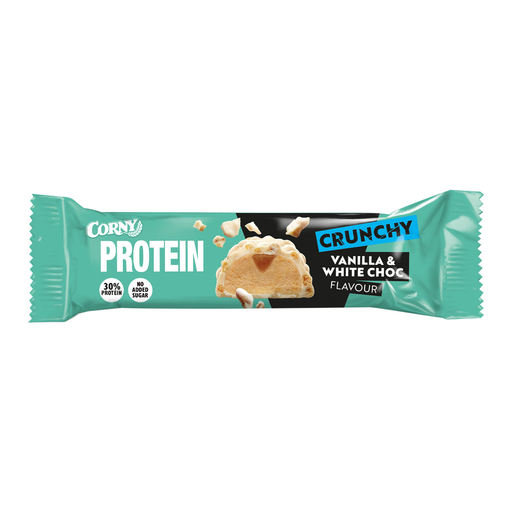
Why it stands out: This bar combines a 30% protein content with a multi-layered texture. The blend of creamy vanilla, white chocolate, crispy cereals, and chopped hazelnuts creates a balanced mouthfeel. It is designed as a no added sugar protein bar and contains naturally occurring sugars.
Benefits:
Who is it for? This bar is suitable for individuals looking for a balanced protein snack for in-between meals who also value an interesting texture. It's a great option before or after a workout or as an energy-boosting snack during the day.
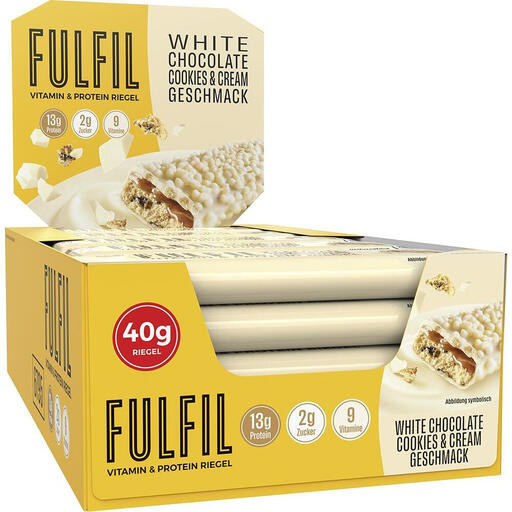
Why it stands out: The FULFIL bar distinguishes itself by being fortified with nine different vitamins. Its flavour profile is inspired by "Cookies & Cream," combining crunchy cocoa crispies on the inside with a white chocolate coating and milk protein crispies.
Benefits:
Who is it for? This bar is aimed at users who are not only looking for a high-protein, low-sugar snack but also value the added benefit of extra vitamins. It's a practical option for a sweet treat without compromising on nutrition.
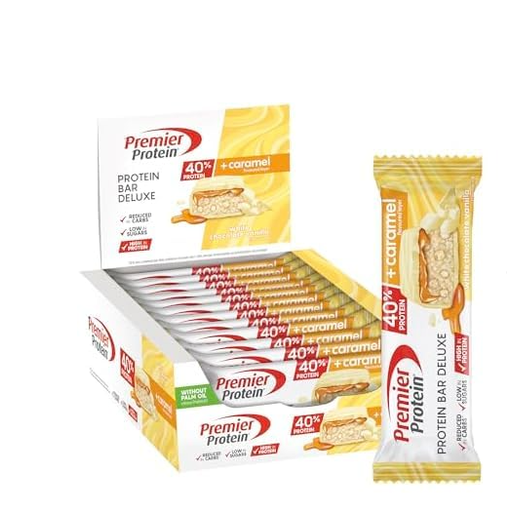
Why it stands out: With a protein content of 40%, this bar is one of the high-protein bars on the market. It combines various protein sources like whey protein, collagen hydrolysate, and soy protein. The high-protein vanilla bar flavour with white chocolate makes it an alternative to traditional sweets.
Benefits:
Who is it for? This bar is ideal for athletes and fitness enthusiasts whose main focus is on maximising their protein intake, for example, to support recovery after intense training.
The products presented offer a glimpse into the white chocolate protein bar category. If you haven't found the right fit for your specific needs or taste preferences, there are other alternatives to explore.
Discover our entire range of Chocolate & Nut Snacks and find the perfect snack for your needs.
A high-quality protein bar is characterised by a good protein-to-calorie ratio, a low sugar content, and the use of quality protein sources. Additionally, the ingredients list should be as short as possible and free from unnecessary fillers.
No, not necessarily. The "no added sugar" claim means that no sugar (like sucrose) was added during manufacturing. However, the bar can contain naturally occurring sugars, for example, from milk (lactose) or fruit. Furthermore, many of these bars contain sugar alcohols (polyols) like maltitol or erythritol as sweeteners, which are listed under carbohydrates on the nutrition label.
The optimal time depends on your individual goals. A protein snack can serve as an energy source about 30 to 60 minutes before a workout. After training, it can be consumed within an hour to support muscle recovery. It is also suitable as a protein-rich snack to curb hunger pangs and ensure you meet your daily protein intake.