
Lieferung heute & morgen

Qualitätsgarantie

Willkommens-Angebote freischalten: KOSTENLOSE Lieferung | Bis zu 80 % RABATT | Kostenlose 30-Tage-JoyPlus-Testphase
App herunterladen
A white dresser is a versatile piece of furniture that brings brightness and order to any room—whether as a sideboard in the living room, a practical dresser for the bedroom, or a small white cabinet in the hallway. However, the vast selection can also lead to regrettable purchases. Certain defects often only become apparent after a few months of use, significantly diminishing the joy of your new furniture.
Before you make a decision, it's helpful to know the three most common pitfalls you might encounter when buying a white dresser:
This guide will show you the key features to look for to find a durable and functional white dresser that perfectly suits your needs.
To avoid the problems mentioned above, you should check three core aspects before buying. These largely determine the quality, durability, and functionality of your new dresser.
The stability of a piece of furniture starts with its material. Most dressers are made from engineered wood. Look for MDF (Medium-Density Fibreboard), which generally has a higher density and stability than simple particleboard. Products that comply with the E1 standard also ensure that formaldehyde emissions are below legal limits.
Another important feature for stability is the construction. A solid, screwed-on back panel significantly contributes to torsional rigidity. For a secure stance, especially in households with children, an anti-tip kit for wall mounting is essential. Adjustable feet are also beneficial for levelling out minor unevenness in the floor and preventing wobbling.
The surface determines not only the look but also its resilience in daily use. For white furniture, there are two main options:
Think carefully about what you plan to store. A dresser with drawers is excellent for clothes, linens, or small items. Smooth-gliding metal rails provide convenience. For larger items like binders or dishes, a white sideboard with doors and height-adjustable shelves is the more flexible solution. Models in the Scandinavian style often combine open compartments with closed elements, creating an airy look. Even a narrow white nightstand can offer a surprising amount of storage with a thoughtful combination of a drawer and an open shelf.
To make your choice easier, we have put together a few models that are suitable for different living situations and needs.
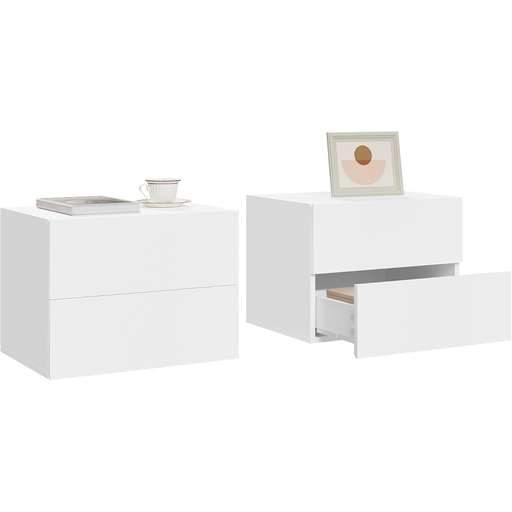
Why This Fits Their Persona: Ideal for small bedrooms or as a floating sideboard in a hallway. The wall-mounted design creates a tidy, floor-free look and makes cleaning the floor easier. Perfect for those who want to make the most of every square inch.
The problem of instability on uneven floors is completely bypassed by the secure wall mounting. The combination of a drawer and an open compartment offers a thoughtful, practical layout.
Floating design for a modern aesthetic and easy floor maintenance. The surface features a scratch-resistant and water-repellent melamine coating.
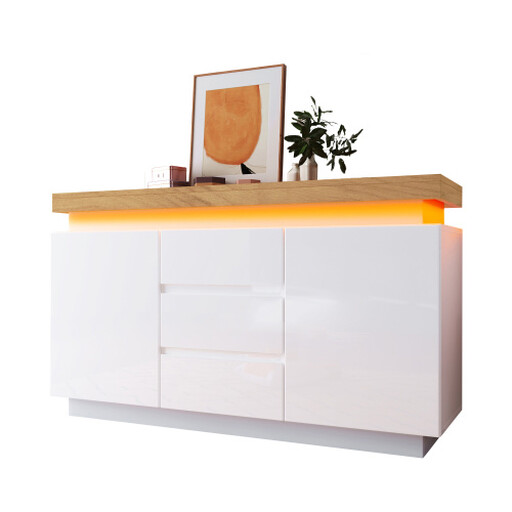
Why This Fits Their Persona: For anyone looking for a statement piece of furniture. This sideboard combines a modern high-gloss look with technical sophistication, like the app-controlled LED lighting. It becomes a focal point in any modern living room or bedroom.
The smooth high-gloss surface is easy to clean and durable. The high-quality roller guide system ensures quiet, smooth-gliding drawers, while the included anti-tip kit provides stability.
Integrated LED lighting with hundreds of colour options and app control. The height-adjustable shelves offer flexible storage configuration.
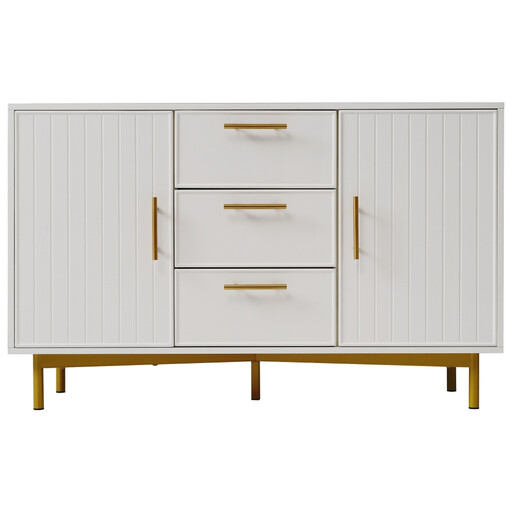
Why This Fits Their Persona: This dresser is an all-rounder for family life. The combination of three spacious drawers and two cabinets with doors offers versatile storage for clothes, toys, or dishes. Its timeless design fits well in both the living room and the bedroom.
An adjustable central foot provides extra stability and compensates for uneven floors. The height-adjustable shelves behind the doors prevent the problem of an impractical, fixed interior layout.
High flexibility thanks to the combination of drawers and adjustable compartments. The 14.5 cm high base makes it easy to clean underneath the furniture.
We have compiled a complete, up-to-date list of products that fully meet these strict selection criteria and safety regulations.
1. How do you care for a high-gloss white dresser? It's best to clean high-gloss surfaces with a soft, lint-free, and slightly damp cloth (e.g., microfibre). Do not use aggressive or abrasive cleaning agents, as they can scratch the lacquer and cause it to become dull. Stubborn stains can often be removed with a mild glass cleaner.
2. What is the difference between a dresser, a sideboard, and a buffet? Although the terms are often used interchangeably, there are subtle differences. A dresser (or chest of drawers) is typically taller than it is wide and primarily equipped with drawers. A sideboard is wider than it is tall and often combines doors, drawers, and open compartments. A buffet is a specific type of sideboard, traditionally used in the dining room for storing dishes, and often features a generous serving surface.
3. How do you securely attach a dresser to the wall? Most manufacturers include an anti-tip kit. This usually consists of a bracket or a strap that is screwed to the back of the dresser and to the wall. For wall mounting, be sure to use wall anchors and screws that are appropriate for your wall type (e.g., concrete, drywall). This prevents the dresser from tipping forward, which is an important safety measure, especially in households with children.