
Lieferung heute & morgen

Qualitätsgarantie

Willkommens-Angebote freischalten: KOSTENLOSE Lieferung | Bis zu 80 % RABATT | Kostenlose 30-Tage-JoyPlus-Testphase
App herunterladen
A high-quality white gel pen is an indispensable tool for artists, students, and craft enthusiasts. It allows you to create vibrant highlights, draw on dark paper, or add fine details to illustrations. But finding the right pen can be frustrating. Many products promise high opacity but leave behind only a pale, semi-transparent line. As your Joybuy Product Recommendation Officer, I'll help you identify the crucial features and avoid common purchasing mistakes.
Before you make a purchase, it's important to know the most common flaws found in low-quality pens. These often lead to unusable results and unnecessary expense.
To avoid these issues, you should check two key technical properties before buying. These largely determine the quality and suitability of a pen for your projects.
Opacity is directly related to the type of ink. For brilliant results on dark surfaces, a pigment-based gel ink is essential. Unlike dye-based inks, which soak into the paper and lose their vibrancy, pigment particles sit on top of the paper's surface.
The tip, also known as the nib, determines the line width and the writing feel. Choosing the right size is crucial for your intended application.
Most gel pens use a metal tip with a rollerball that ensures a smooth, consistent ink flow.
Instead of making a blanket recommendation, we have matched products to different user profiles and requirements.
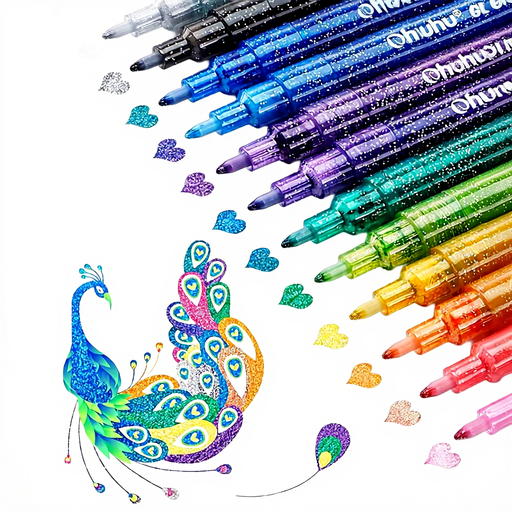
Why This Fits Their Persona: This set is aimed at users who regularly add white accents and need a reliable supply. It's ideal for illustrators and crafters who work on black or kraft paper and expect consistent results.
The highly pigmented, water-based ink is specifically designed for high opacity, thus avoiding the problem of pale, grey lines on dark backgrounds.
The ink is waterproof and dries quickly, minimising the risk of smudging. The 0.8 mm tip offers a great balance for details and visible highlights.
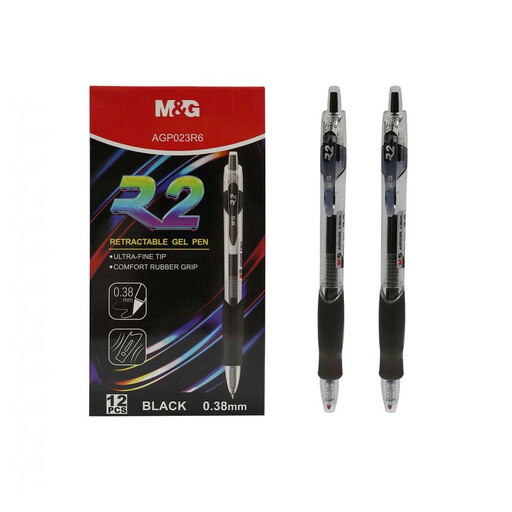
Why This Fits Their Persona: This set (in black ink) is an ideal complementary tool for users who need extremely fine lines for preliminary sketches, cross-hatching, or detailed notes before adding white highlights.
Addresses the problem of using the wrong tip size by offering an ultra-fine option for maximum precision where a 0.8 mm pen would be too broad.
The 0.38 mm tip allows for exceptional control in intricate work. The retractable mechanism protects the fine tip from damage.
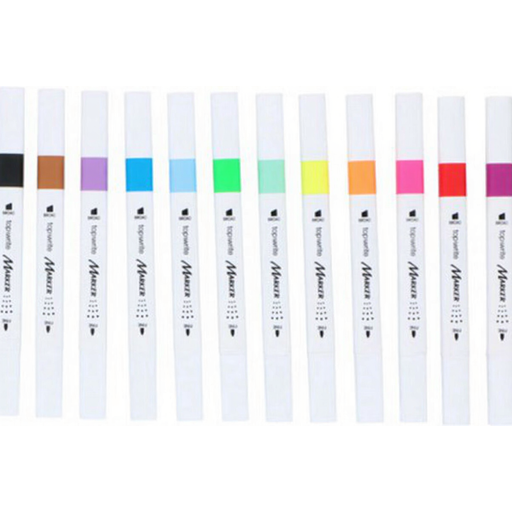
Why This Fits Their Persona: For users who need more than just a gel pen. This marker set is ideal for bullet journaling, poster design, or student projects that require both fine lines and broad areas of colour.
Solves the problem of having to buy multiple pens for different line widths. Each pen offers two options, maximising flexibility.
Each marker has two tips: a fine 3.5 mm tip for outlines and a broad 5.8 mm tip for colouring. The quick-drying ink reduces smudging.
We have compiled a complete, up-to-date list of products that fully meet these strict selection criteria and rigorous safety standards.
1. How should I store white gel pens correctly to prevent them from drying out? To prevent drying or clogging, gel pens should ideally be stored horizontally. Ensure the cap is securely replaced after each use. Avoid extreme temperatures, such as direct sunlight or frost, as they can affect the ink's consistency.
2. Why isn't my white gel pen opaque? The most common reason is an ink with low pigment density. It's also possible the pen wasn't properly activated before use. Try "priming" the pen on a scrap piece of paper to get the ink flowing. For guaranteed opacity, you should specifically look for products described as "opaque" or "suitable for dark paper."
3. Can I use a white gel pen on any surface? White gel pens work best on smooth, non-porous surfaces like paper, cardstock, or over dried media such as watercolours or markers. On very rough or absorbent surfaces, the ink flow may be inconsistent. It is always advisable to test the pen on an inconspicuous area first.