
Lieferung heute & morgen

Qualitätsgarantie

Willkommens-Angebote freischalten: KOSTENLOSE Lieferung | Bis zu 80 % RABATT | Kostenlose 30-Tage-JoyPlus-Testphase
App herunterladen
When you buy white wine and sparkling wine online, you can easily choose between grape varieties, sweetness levels, countries of origin and pack sizes. However, the wide selection can make comparisons tricky: product descriptions often use similar terms, while important details about volume, alcohol content or storage may be tucked away in the small print.
This buying guide will help you avoid common pitfalls and choose a white or sparkling wine to suit the occasion.
‘Fruity’ doesn’t automatically mean ‘sweet’. A dry white wine can have notes of peach, pear or citrus without tasting noticeably sweet. So when choosing, details such as dry, medium-dry, medium-sweet or sweet are more useful than promotional terms such as ‘soft’ or ‘well-balanced’.
Sparkling wines also use terms such as Brut, Demi-Sec and Dolce. An Asti Spumante, for example, is typically sweeter than a Brut sparkling wine.
A single 0.75-litre bottle is ideal for a quiet evening or a meal for two. For parties or regular drinking, a wine multipack can be more economical and convenient. However, remember to consider storage space, how quickly you’ll drink it and how long it will keep after opening.
Small 0.2-litre bottles, such as City Secco, can be handy for individual servings. They reduce the amount left over after opening, but aren’t necessarily cheaper per litre.
Chardonnay, Riesling, Sauvignon Blanc and Moscato refer first and foremost to different grape varieties; they don’t automatically guarantee a particular level of quality. German white wines can also vary considerably: Riesling often has pronounced acidity, while Chardonnay can taste fruity, mineral or creamier depending on how it is made.
When choosing Italian or French sparkling wine, it’s worth checking the sweetness level, alcohol content, winemaking method and serving temperature rather than relying on the country of origin alone.
The overall impression depends on the acidity, residual sugar, alcohol content and your own palate. Be sure to read the full product details.
A Chardonnay from Rheinhessen won’t necessarily taste like a Chardonnay from France’s Languedoc region. According to the product details, St. Antony Chardonnay Dry White Wine comes from Rheinhessen, is aged in stainless steel tanks and carries the organic inspection number DE-ÖKO-039. These factual details are more useful than unsupported claims about quality.
With Riesling, origin and acidity can make a real difference. A dry Riesling from the Palatinate may taste different from one from the Roter Hang in Rheinhessen. If you prefer fresh, high-acid wines, consider the description and alcohol content together.
Before buying, check the net quantity, number of bottles and alcohol content. A 3-litre bag-in-box pack may suit regular drinkers, while 6 × 0.75 litres could be a better choice for parties or stocking up. Once opened, wine should be enjoyed as soon as possible and stored according to the manufacturer’s instructions.
Store unopened bottles in a cool, dry place away from light. Depending on the product, the recommended serving temperature is often between 6 and 14 °C. Check the ingredients or allergen information for sulphites.
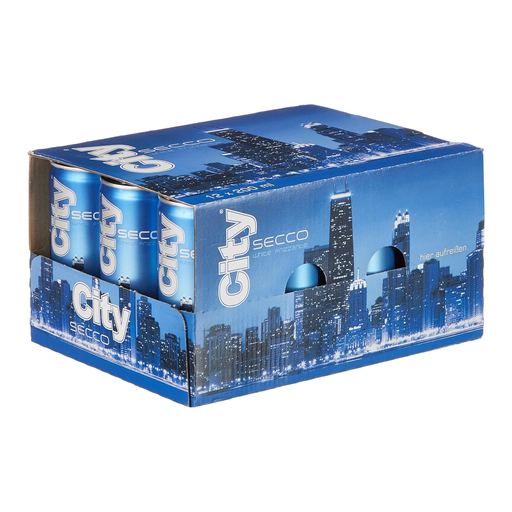
Why it suits this shopper: The small 0.2-litre bottles are ideal for individual servings, spontaneous visits or parties where you don’t want to open a full-sized bottle.
The pack size is clearly stated, making it easier to plan how much you need than with an unspecified bulk purchase.
12 × 0.2 litres, a dry Secco style and 70 kcal per 100 ml according to the product details.
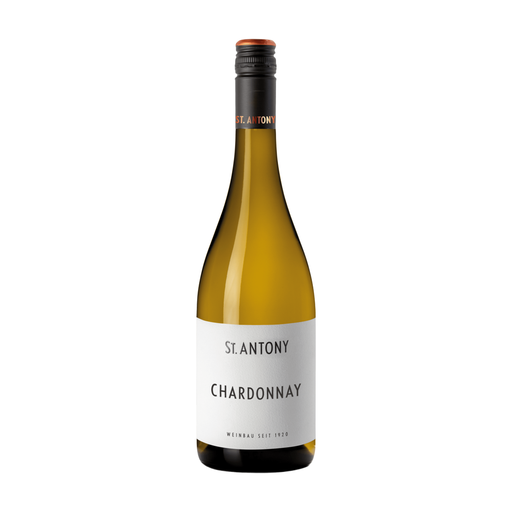
Why it suits this shopper: This dry Chardonnay from Rheinhessen is for anyone who wants clear information about the grape variety, origin, winemaking method and organic inspection number.
The product details specify the origin, grape variety, stainless steel ageing, alcohol content and organic inspection number, rather than relying only on promotional tasting notes.
0.75 litres, 11.5 % vol. and organic inspection number DE-ÖKO-039 according to the product details.
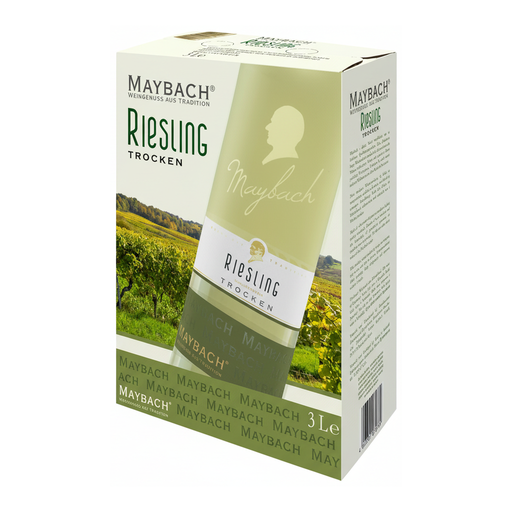
Why it suits this shopper: The 3-litre bag-in-box format is designed for regular serving, larger households or sharing with friends.
The volume is clearly stated, helping regular drinkers avoid buying too small a pack. Storage and how long it keeps are still worth bearing in mind.
3 litres, dry Riesling and 12 % vol. according to the product description; recommended with poultry and fish.
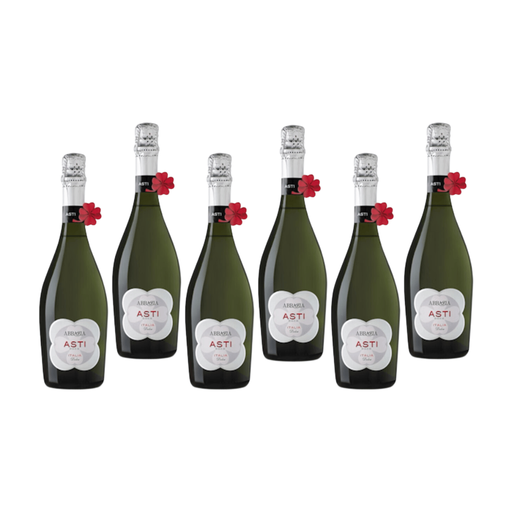
Why it suits this shopper: This sweet sparkling wine from Piedmont is ideal as an aperitif or paired with fruit desserts.
The sweetness is stated as Dolce, so you can rule it out if you’re looking for a dry sparkling wine.
6 × 0.75 litres, Moscato grape variety, 7.5 % vol. and a serving temperature of 6–8 °C according to the product details.
We’ve put together a complete, regularly updated list of products that meet these strict selection criteria and fully comply with the safety regulations in force across the EU.
Start by considering the sweetness and acidity. Dry Riesling or Chardonnay often pairs well with fish, poultry and lighter dishes. Sweet options such as medium-sweet Riesling or Asti Spumante can be served with desserts and fruit dishes. The best pairing depends on the food and your personal preferences.
It depends on the type of wine, closure and storage. Open bottles should be kept cool, with the closure put back on if possible, and enjoyed soon after opening. Sparkling wine loses its fizz more quickly as the pressure drops, so small bottles can be handy for individual servings.
Not necessarily. Compare the price per litre, number of bottles and total volume. A multipack can make sense if you drink wine regularly or are hosting a party. For occasional occasions, single bottles or smaller bottles may be a better fit. Wine and sparkling wine are alcoholic drinks intended only for adults aged 18 and over. Please check the details on the product page and drink responsibly.