
Lieferung heute & morgen

Qualitätsgarantie

Willkommens-Angebote freischalten: KOSTENLOSE Lieferung | Bis zu 80 % RABATT | Kostenlose 30-Tage-JoyPlus-Testphase
App herunterladen
A white T-shirt is more than just an item of clothing—it's the foundation of countless outfits. Yet, the search for the right one can be frustrating. Many shirts lose their shape after the first wash, turn unexpectedly transparent, or quickly develop a dingy gray tinge. As your Joybuy Product Recommendation Officer, I'm here to help you avoid these pitfalls and make an informed decision.
Before we dive into the details, let's look at the three most common problems that lead to a bad purchase:
A good white T-shirt should withstand these problems. The key is to understand a few fundamental product features.
To avoid the issues mentioned above, you should pay attention to three core aspects before buying. These will give you an objective basis for your decision, far beyond marketing promises.
The weight of the fabric, measured in grams per square meter (g/m?), is a crucial indicator of a T-shirt's density and durability.
The material determines comfort, longevity, and care requirements.
The right fit is personal. A men's white T-shirt often has a different cut than a women's white T-shirt. Key variations include:
Here are some recommendations tailored to different needs and profiles, all of which meet the quality criteria mentioned.
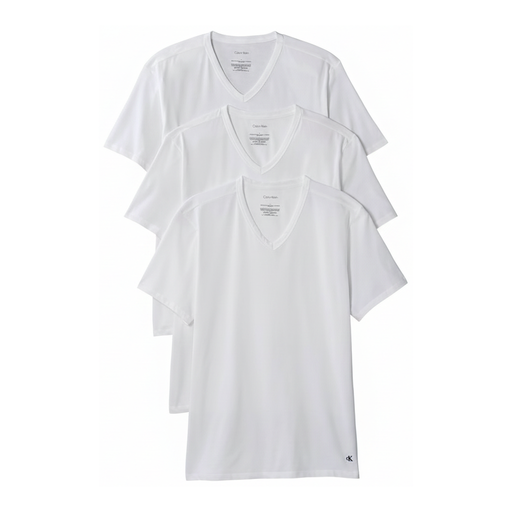
Why This Fits Their Persona: This white T-shirt multipack provides a solid set of essentials from a well-known brand. It's ideal for anyone looking to stock their wardrobe with reliable basics for everyday and leisure wear without compromising on quality.
The material blend of cotton, polyester, and elastane is specifically designed for shape retention. It counteracts the typical "one-wash" effect and ensures the shirts keep their fit even after repeated wear and washing.
The stretch-cotton knit offers superior comfort and freedom of movement. The V-neck makes it versatile, perfect for wearing solo or under a button-up shirt.
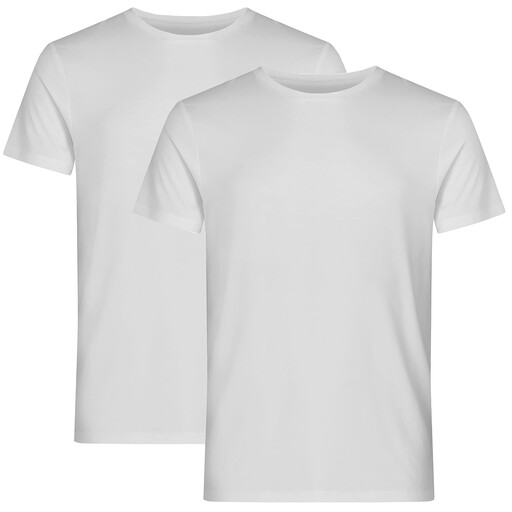
Why This Fits Their Persona: For users who prioritize feel and material quality above all else. The combination of bamboo viscose and organic cotton offers a luxurious feel against the skin while also considering sustainability.
High-quality fibers like bamboo viscose and organic cotton are more resistant to discoloration and pilling. Furthermore, the printed care label eliminates a common source of irritation—the scratchy tag—from the outset.
The material blend is exceptionally soft, breathable, and temperature-regulating. The FSC certification for the bamboo viscose and the use of organic cotton are objective marks of quality.
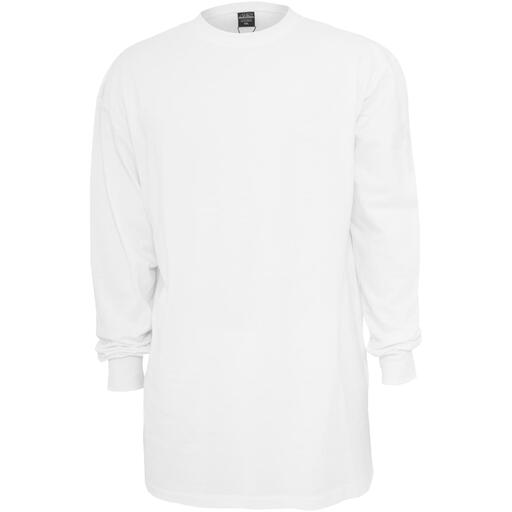
Why This Fits Their Persona: This long-sleeve shirt is specifically designed for tall men who often struggle to find shirts with sufficient length. It solves the problem of sleeves that are too short and a torso that rides up, and is also available as a plus-size white T-shirt.
The fabric weight of 180 g/m? ensures good opacity and prevents the transparency problem. The special "Tall Fit" with an extended cut guarantees a lasting good fit that doesn't ride up.
The extended fit offers optimal comfort and a modern silhouette for tall individuals. The cotton-viscose blend combines breathability with a soft drape.
We've compiled a complete, up-to-date list of products that meet these strict selection criteria and quality standards.
1. How do you prevent a white T-shirt from turning yellow or gray? The key is to wash whites separately. Always wash white laundry apart from colors. Use a heavy-duty detergent that contains an oxygen-based bleach. Avoid excessively high temperatures during washing and drying, as this can damage the fibers and lead to yellowing.
2. What fabric weight (g/m?) is recommended for an opaque white T-shirt? For good opacity, you should aim for a fabric weight of at least 180 g/m?. At this weight, the likelihood of the shirt appearing see-through is significantly lower. However, keep in mind that a tight fit (Slim Fit) or a high stretch content can also increase transparency in thinner fabrics.
3. What is the difference between a regular T-shirt and one designed as an undershirt? A white undershirt is specifically made to be worn invisibly under other clothing. It is therefore often made of a thinner fabric (e.g., 120-150 g/m?), has a tighter cut, and sometimes a deeper neckline (V-neck or scoop neck) so that it isn't visible under an unbuttoned shirt. A regular T-shirt is typically thicker and designed to be worn as a standalone top.