
Lieferung heute & morgen

Qualitätsgarantie

Willkommens-Angebote freischalten: KOSTENLOSE Lieferung | Bis zu 80 % RABATT | Kostenlose 30-Tage-JoyPlus-Testphase
App herunterladen
White tea is considered one of the most exquisite tea varieties, prized for its subtle aroma and pale, clear liquor. When making a purchase, however, consumers can easily be misled. Attractive packaging and vague quality claims often conceal products that are not worth the price. Two of the most common pitfalls are buying stale tea that has already lost its delicate aroma, and mistaking low-grade leaf blends for genuine, bud-rich qualities. This guide will help you avoid these issues and make an informed choice.
To make the right decision when buying white tea, it helps to know the key quality criteria. Instead of relying on marketing terms, you should focus on objective characteristics that reveal the tea's true calibre.
Not all white tea is the same. The two most famous varieties differ significantly in their plucking and flavour profile:
The original home of white tea is the Chinese province of Fujian. While tea from this region enjoys an excellent reputation, the cultivation method is an equally important criterion. For consumers who prioritise farming without synthetic pesticides and fertilisers, an organic white tea with the corresponding EU organic certification is the right choice. This seal ensures that defined ecological standards have been met throughout the entire cultivation and processing journey.
The format in which the tea is offered has a direct impact on the flavour experience. Loose-leaf white tea generally offers superior quality. The leaves are mostly whole and have enough space to unfurl in the water, releasing their full aroma. Tea bags often contain only small leaf fragments or tea dust (known as "fannings" and "dust"), which can lead to a bitter or flat taste. For those who want to combine the quality of loose-leaf tea with the convenience of a bag, reusable or disposable tea filters are an excellent solution.
Choosing the right product depends on personal preference and intended use. Here are some recommendations tailored to different profiles.
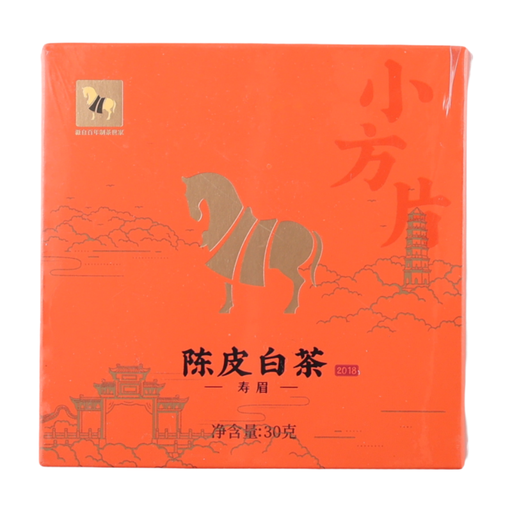
Why This Fits Their Persona: Ideal for experienced tea drinkers looking to explore new flavour profiles beyond the classic varieties. The combination of aged white tea and dried mandarin peel offers a complex aroma that is simultaneously mild and citrusy.
This product relies on a clearly defined, traditional blend instead of vague premium promises. You get a specific flavour experience based on the harmony of two well-known ingredients.
Unique flavour combination of Shoumei white tea and Chenpi; suitable for multiple infusions, which increases its value and longevity.
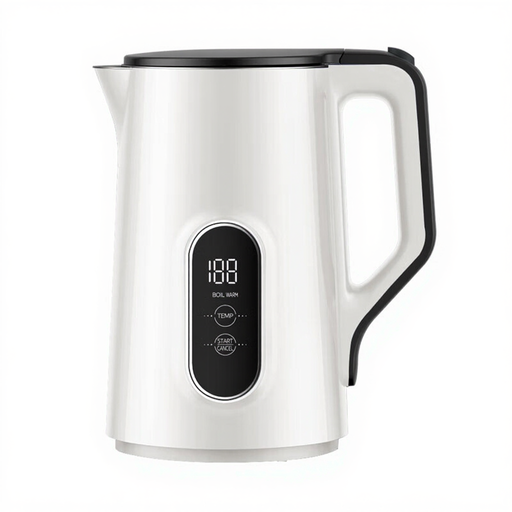
Why This Fits Their Persona: The correct preparation of white tea is a ritual that demands precision. This electric kettle allows for exact temperature control, which is crucial for preserving the tea's delicate aromas rather than destroying them.
It prevents the most common preparation mistake: using boiling water. Water that is too hot scalds the delicate tea leaves, leading to bitterness and nullifying the investment in a high-quality tea.
Variable temperature control (45–100°C) for the perfect brewing temperature; 1-hour keep-warm function and BPA-free materials in contact with water.
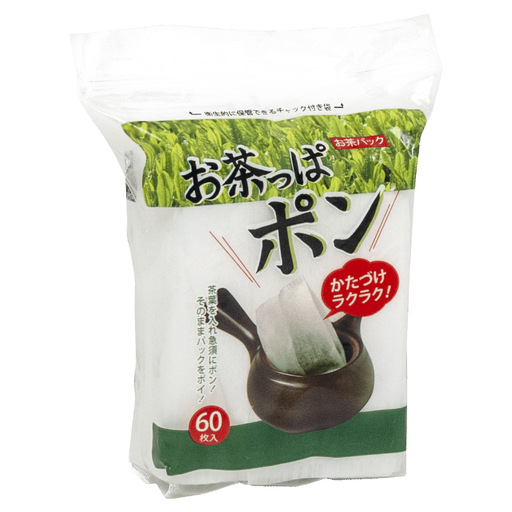
Why This Fits Their Persona: These filters offer the convenience of a tea bag without compromising on the quality of the tea. They allow you to use high-grade, loose-leaf white tea at the office or whenever you're short on time.
They bypass the problem of pre-packaged tea bags, which often contain only low-quality tea dust. With these filters, you maintain full control over the selection and quality of your tea.
Allows for optimal aroma diffusion from loose-leaf tea; simple and clean to handle and dispose of; versatile enough for tea, herbs, or spices.
We have compiled a complete, up-to-date list of products that fully meet these strict selection criteria.
The correct preparation of white tea is crucial for its flavour. Use water with a temperature between 75 and 85°C (167-185°F). Boiling water would damage the delicate leaves and release bitter compounds. Add about two teaspoons of loose-leaf tea per 250 ml (8.5 oz) of water to a pot or cup. The steeping time varies between 2 and 5 minutes, depending on the variety and personal preference. High-quality white tea can often be steeped multiple times, with the aroma changing slightly with each infusion.
The effects of white tea are often described as gentle and calming. Compared to black or green tea, it generally contains less caffeine, making it a good choice for the late afternoon or evening. White tea is rich in polyphenols because it is minimally processed. These compounds are responsible for many of its attributed positive properties. However, it is important to remember that white tea is a beverage for enjoyment, not a medicinal product.
To preserve the delicate aroma of white tea, proper storage is essential. Always keep loose-leaf white tea in an airtight, opaque, and odour-neutral container. Store it in a cool, dry place, away from heat sources like the stove and strong-smelling foods such as coffee or spices. When stored correctly, white tea will maintain its quality for many months.