
Lieferung heute & morgen

Qualitätsgarantie

Willkommens-Angebote freischalten: KOSTENLOSE Lieferung | Bis zu 80 % RABATT | Kostenlose 30-Tage-JoyPlus-Testphase
App herunterladen
A white wall shelf is more than just a storage surface. It's a design element that adds structure and an airy feel to rooms without taking up valuable floor space. However, the sheer number of options can quickly become overwhelming. Many models look identical at first glance but hide critical flaws that only become apparent after purchase.
As your Joybuy Product Recommendation Officer, I'm here to help you avoid the common pitfalls. This guide focuses on the objective criteria that define a durable and functional wall shelf, enabling you to make an informed decision.
Before we dive into the details, let's highlight the three most common issues that lead to disappointment:
floating shelf that sags or pulls away from the wall after a short time. The cause is often an undersized or poorly designed mounting system that cannot support the weight of the items placed on it.wall shelf with a drawer can prove useless if the drawer jams or lacks a stop mechanism.To avoid these mistakes, you should check three crucial technical features before buying. These determine the longevity, safety, and functionality of your new wall shelf.
The choice of material is fundamental to both stability and appearance. The most common materials are:
wall shelf. Look for the E1 classification, which indicates low-formaldehyde production. A high-quality PVC or melamine resin coating makes the surface scratch-resistant, moisture-resistant, and easy to clean.wooden wall shelf made from pine, oak, or rubberwood offers a natural look and high stability. It is often heavier and more expensive but is extremely durable with proper care. A lacquer finish protects the wood from moisture.The specified maximum load capacity is a critical metric, especially if you plan to use the shelf as a wall-mounted bookshelf. Books are heavier than many people assume.
wall board, a metal bracket is used, which slides into the shelf and is screwed to the wall. Check if the mounting hardware (screws and wall plugs) is included and suitable for your wall type (solid wall vs. drywall).kitchen wall shelf intended to hold heavy spice jars or dishes.Think carefully about what you need the shelf for. Function dictates design.
living room wall shelf is perfect for displaying pictures and decor. Models with an integrated drawer offer additional, hidden storage.corner wall shelf makes optimal use of often-wasted space and can provide multiple tiers for books or plants.hanging shelf with added hooks for keys or jackets is especially practical here.Here are some recommendations tailored to different user profiles and the quality criteria mentioned above.
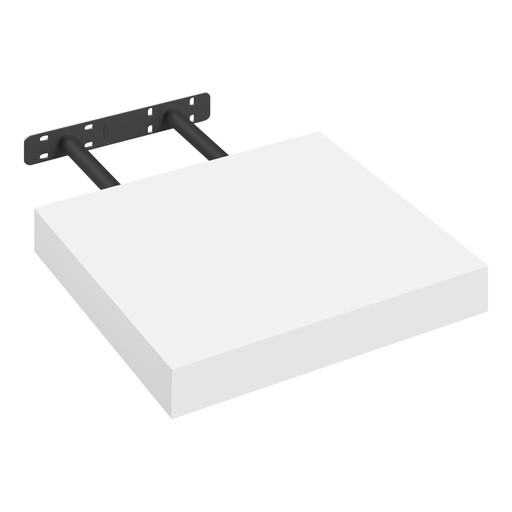
Why This Fits Their Persona: Ideal for anyone seeking a simple, modern, and cost-effective solution for displaying smaller decorative items or books. Its compact design fits into any room without being obtrusive.
The shelf is supplied with a specified metal bracket and a clear load capacity of 10 kg. This directly addresses the problem of unstable and undocumented mounting systems.
Made from E1-grade MDF with a moisture-resistant surface; concealed mounting system for a clean, floating look.
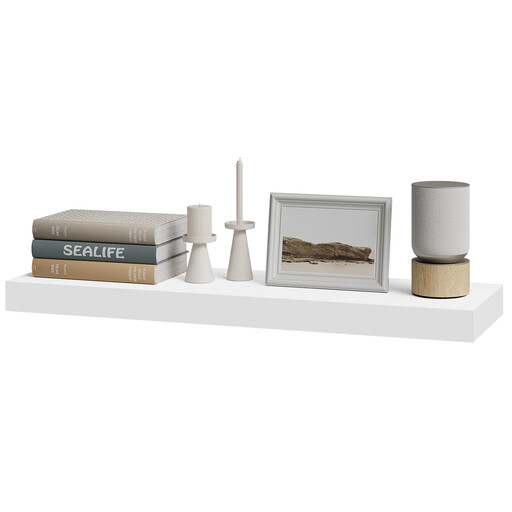
Why This Fits Their Persona: Perfect for users who want an elegant combination of open display and concealed storage. Ideal for the entryway to store keys or in the living room to hide remote controls.
This model solves the problem of impractical designs with an integrated drawer featuring an anti-drop mechanism. This prevents the drawer from falling out when opened—a common flaw in cheaper models.
Combines open and closed storage; the PVC-veneered surface is moisture- and scratch-resistant according to the manufacturer.
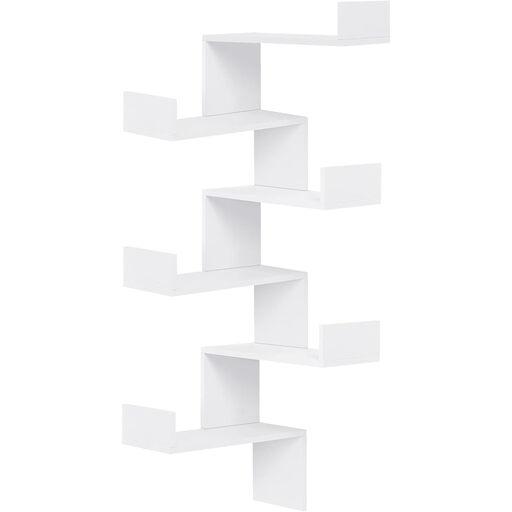
Why This Fits Their Persona: The solution for anyone looking to transform unused corners into functional and decorative storage spaces. With six tiers, it offers plenty of room for books, plants, or collectibles within a small footprint.
Instead of relying on a single, potentially weak bracket, this design distributes the load across multiple mounting points on two walls. This ensures the high stability that is essential for a multi-level shelf.
Maximum space utilization through its corner design; six separate tiers for organized storage; modern S-shape design.
We have compiled a complete, up-to-date list of products that fully meet these strict selection criteria and rigorous safety standards.
1. How do you securely mount a floating shelf to the wall? Safety depends on the wall type and correct installation. First, determine if you have a solid wall (e.g., concrete, brick) or drywall (e.g., plasterboard). Always use wall plugs and screws appropriate for your wall. A spirit level is essential to ensure the shelf is perfectly straight. Follow the manufacturer's assembly instructions precisely and never exceed the specified maximum load capacity.
2. What is the difference between an MDF and a solid wood wall shelf? MDF (Medium-Density Fiberboard) is an engineered wood product made from finely shredded wood fibers pressed together. It is dimensionally stable, has a smooth surface, and is generally more affordable. Solid wood is a natural product cut directly from a tree log. It is often more robust and has a unique grain, but it can react to moisture and temperature changes and requires more maintenance.
3. What load capacity does a wall shelf need for books? Books are surprisingly heavy. One meter of packed paperbacks can easily weigh 20 kg. For a wall-mounted bookshelf, you should choose a model with an explicitly high load capacity per shelf or per linear meter (e.g., 10–15 kg). Look for a robust mounting system with multiple attachment points to distribute the weight safely.