
Lieferung heute & morgen

Qualitätsgarantie

Willkommens-Angebote freischalten: KOSTENLOSE Lieferung | Bis zu 80 % RABATT | Kostenlose 30-Tage-JoyPlus-Testphase
App herunterladen
Buying white wine online can feel like navigating a maze. A seemingly endless selection, tempting labels, and vague descriptions make it difficult to make an informed decision. As a Product Recommendation Officer at Joybuy, I see the most common pitfalls every day that lead to disappointment and unnecessary expense. This guide is designed to help you bypass these hurdles and confidently find the perfect wine for your taste and occasion.
Before we dive into the selection criteria, it's important to know the most common marketing traps that often promise more than the bottle's contents can deliver.
To avoid a bad buy, you should focus on objective and verifiable criteria. The following three points are a reliable compass for your selection.
The flavour profile of a wine is clearly defined in the EU by its residual sugar content (the sugar remaining in the wine after fermentation). This information can be found on the label or in the product description and provides an objective guide:
Each grape variety has a typical aroma profile. If you know which varieties you like, the selection becomes much easier.
For conscious consumption, the following distinctions are relevant:
Based on the criteria above, we have selected a few products from our range that are suitable for different needs and occasions.
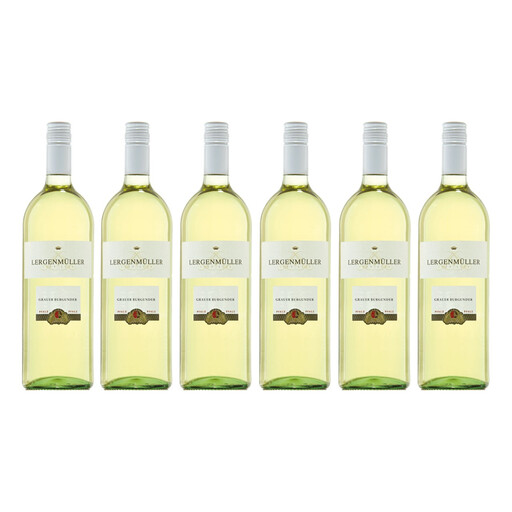
Why This Fits Their Persona: Ideal for anyone looking for a reliable and straightforward wine for daily enjoyment or for a spritzer. The 1-litre bottle in this white wine case offers excellent value for money without compromising on quality.
This wine avoids the label trap by opting for a simple design and letting the quality speak for itself. The clear "dry" designation and its origin from the Palatinate region stand for a straightforward, true-to-type Pinot Gris.
A solid, juicy Pinot Gris with notes of stone fruit and herbs. The practical 1-litre bottle with a screw cap is perfect for uncomplicated enjoyment.
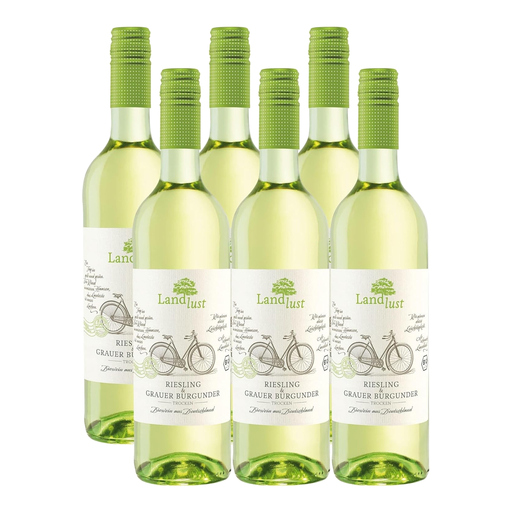
Why This Fits Their Persona: Perfect for consumers who value sustainable production and are specifically looking for organic white wine and vegan white wine. This cuvée combines two popular German grape varieties in certified quality.
This wine avoids the seal trap through transparency. The EU organic certification and the explicit vegan declaration are verifiable facts, not empty marketing promises. The focus is on the content, not the packaging.
Aromas of pear and almond with harmoniously integrated acidity. Pairs excellently with cheese, fish, pasta, and salads. A wine that combines enjoyment with a clear conscience.
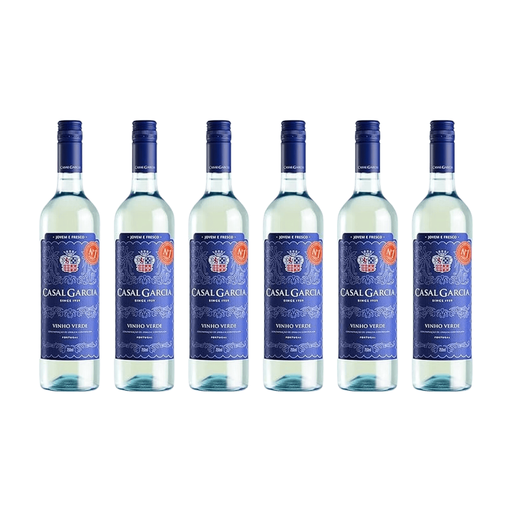
Why This Fits Their Persona: An ideal wine for parties, picnics, or as an aperitif. Its lightness, fine sparkle, and moderate alcohol content of 9.5% ABV make it an uncomplicated companion that will please many guests.
This wine avoids the trap of a vague flavour description. As a semi-dry white wine with zesty acidity and citrus aromas, it is honest and approachable. It doesn't try to be a complex wine but wins you over with its refreshing character.
Very refreshing with aromas of citrus fruits. The light carbonation provides an invigorating mouthfeel. A versatile white wine deal for social moments.
We have compiled a complete, up-to-date list of products that fully meet these strict selection criteria and German regulations.
1. How do I store white wine correctly, and how long does it last after opening? Unopened white wine should be stored in a cool, dark place with a constant temperature. After opening, the bottle should be sealed tightly with the original screw cap or a wine stopper and placed in the refrigerator. Depending on its acidity and residual sugar content, the wine will typically last for 3 to 5 days.
2. What does the "contains sulphites" label mean? Sulphites (sulphur dioxide) are natural by-products of fermentation and are often added to wines in small amounts as a preservative to protect them from oxidation and microbial spoilage. This labelling is mandatory in the EU for almost all wines, as some people are sensitive to them.
3. What is the ideal drinking temperature for white wine? The optimal drinking temperature depends on the type of wine. Light, crisp white wines like Vinho Verde or a simple Riesling taste best well-chilled at 8–10 °C (46–50 °F). Fuller-bodied wines like a robust Pinot Gris or an oak-aged Chardonnay unfold their aromas better at a slightly warmer 10–12 °C (50–54 °F).