
Lieferung heute & morgen

Qualitätsgarantie

Willkommens-Angebote freischalten: KOSTENLOSE Lieferung | Bis zu 80 % RABATT | Kostenlose 30-Tage-JoyPlus-Testphase
App herunterladen
By Joybuy Product Recommendation Officer, July 16, 2026
Finding the right white wine case can be a challenge given the sheer number of options available. Many wine drinkers want a straightforward, high-quality wine for everyday enjoyment or to stock up their cellar, without having to sift through countless product descriptions. This article serves as a guide. It presents a selection of German white wines and highlights objective criteria to help you decide on a suitable stock-up case of wine.
Three key characteristics help in classifying white wines: the grape variety, the origin, and the production method. Understanding these factors makes the selection process much easier.
German white wines are diverse, but the Burgundy varieties are especially popular.
The wine-growing regions significantly shape a wine's character. Pfalz and Rheinhessen are among the most important regions for German white wine, particularly for Burgundy varieties.
More and more wineries are committing to responsible production methods.
The following selection is based on the criteria mentioned and presents wines that are distinguished by a clear varietal profile and a traceable origin.
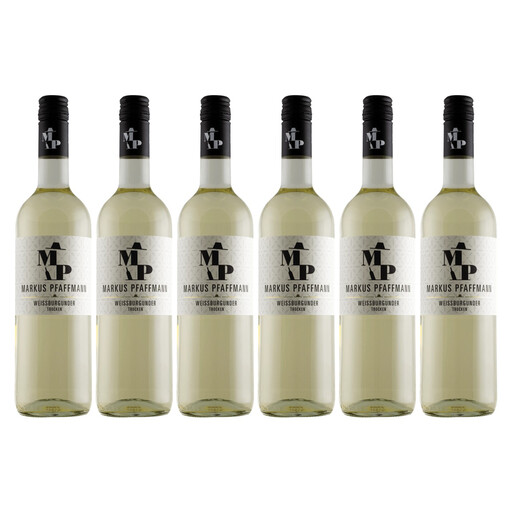
Why it stands out: This Wei?burgunder from the Markus Pfaffmann winery comes from the southern Pfalz. The grapes grow on limestone and loess-loam soils, which gives the wine its classic varietal character with aromas of pear, lemon, and pineapple. Ageing in stainless steel tanks preserves its fresh and clear fruit.
Advantages:
Who is it for? This case is suitable for lovers of classic, dry Wei?burgunder. Its understated character makes it an excellent companion to light dishes such as fish, salad, or white meat.
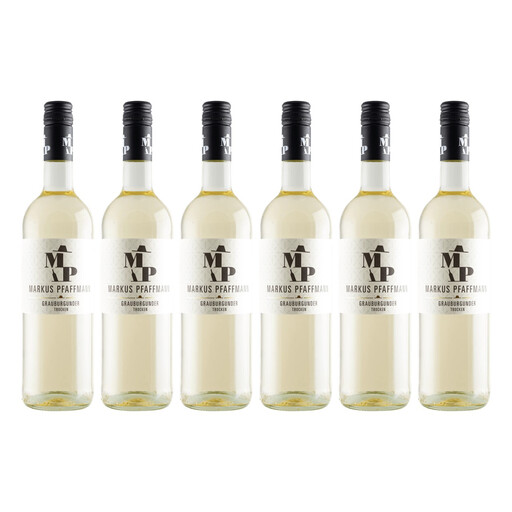
Why it stands out: Also from the Pfaffmann winery, this Grauburgunder showcases the warmer side of the Pfalz region. The limestone soils lend it a fine minerality, while the sun ensures a youthful ripeness. The result is a wine with aromas of apple, pear, and delicate hazelnut notes.
Advantages:
Who is it for? Ideal for wine drinkers who are looking for a Grauburgunder with substance but without being heavy. It works well both on its own on the patio and as a companion to a variety of dishes.
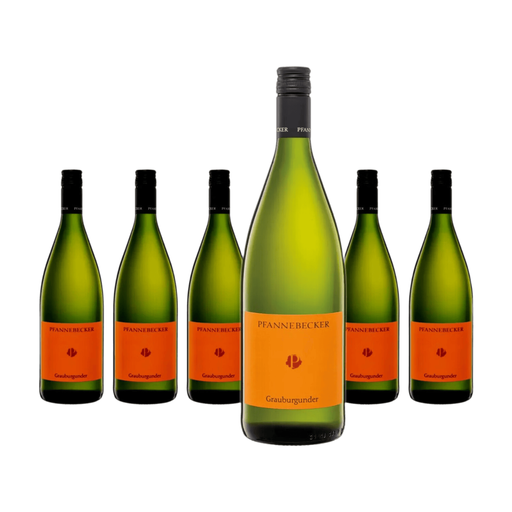
Why it stands out: This wine from the Pfannebecker winery in Rheinhessen is a cuvée of Wei?burgunder and Chardonnay. This combination blends the freshness of Wei?burgunder with the creaminess of Chardonnay. The aromatic profile is multi-layered, ranging from herbs to ripe papaya and apple.
Advantages:
Who is it for? For explorers seeking a modern interpretation of a Burgundy wine. The cuvée offers more complexity than a single-varietal wine and pairs well with more sophisticated dishes.
This selection represents just a small fraction of the possibilities. If you are specifically looking for other wines from the Wei?burgunder, Grauburgunder, or Sp?tburgunder grape varieties, or simply wish to browse, you will find a wider range in our main category.
Discover our entire range of Burgundy Wines.
A dry Grauburgunder typically has a low residual sugar content. It is distinguished by a fuller body compared to many other white wines. The taste is often dominated by aromas of ripe fruits like pear, apple, or melon, complemented by nutty or spicy notes. The acidity is usually moderate, making it approachable and harmonious.
This is a common misconception, but it is not true. While Germany is famous for its noble sweet Riesling Auslese wines, the majority of wines produced and consumed in the country are dry or off-dry. Burgundy varieties like Wei?- and Grauburgunder, in particular, are almost exclusively made in a dry style and are prized for their suitability as a food pairing.
A stock-up case of wine should be stored in a cool, dark place with a temperature that is as constant as possible. A pantry or a cellar is ideal. Wines with a screw cap can easily be stored upright. Storing them on their side is also possible and is traditional for wines with natural corks, but it does not harm wines with screw caps either. It is important to avoid direct sunlight and major temperature fluctuations.