
Lieferung heute & morgen

Qualitätsgarantie

Willkommens-Angebote freischalten: KOSTENLOSE Lieferung | Bis zu 80 % RABATT | Kostenlose 30-Tage-JoyPlus-Testphase
App herunterladen
Whether you’re in the office, a meeting room, a classroom or working from home, whiteboard accessories play an important part in helping you capture ideas, plan appointments and keep your board clean. Yet it’s easy to buy a product that only seems suitable at first glance, rather than the right one for your needs.
A flipchart marker is designed for paper. Its ink may show up clearly on paper, but it won’t necessarily wipe off a whiteboard with a dry cloth. For writable plastic, steel or glass surfaces, you’ll need a whiteboard marker specifically designed with dry-wipe ink.
If you keep both types of marker in the same pen holder, label them clearly. This helps prevent a paper marker from being used by mistake on a delicate whiteboard surface.
A small board may be enough for shopping lists or quick notes. For presentations, lessons or meetings, though, it’s important that the content remains easy to read from a few metres away. A board that’s too small can mean smaller writing, more frequent erasing and cluttered notes.
So, before buying a whiteboard for the office, a classroom whiteboard or a meeting room whiteboard, check the available wall space, viewing distance and how much you plan to write.
If you don’t clean your whiteboard regularly, marker residue can spread across the surface. Old ink marks, unsuitable cleaning products and erasers with ink build-up can be particularly troublesome. A suitable whiteboard eraser should be used dry and be appropriate for the surface.
The writing surface of magnetic whiteboards is often made from coated steel. This means you can attach notes, printouts or cards with magnets. Check the stated dimensions and whether the board is designed for wall mounting. A compact size such as 50 × 35 cm is better suited to smaller workspaces, while larger boards offer more writing space for meetings.
For everyday use, choose a smooth surface designed for dry-wipe markers. Glass boards may require different markers and cleaning methods from coated steel surfaces, so check the product description to make sure it’s clear what the board is suitable for.
The line width affects how easy your writing is to read. Broader lines work well for headings and presentations, while fine tips give you more control when writing tables, calendars and detailed notes.
According to the manufacturer, the STAEDTLER Lumocolor Flipchart Marker Yellow has a chisel tip with a line width of 2.0 to 5.0 mm. Its water-based, low-odour ink is designed for paper flipcharts and dries quickly, according to the product details. The manufacturer says DRY-SAFE technology helps prevent the marker from drying out if left uncapped for several days; ISO 554 is cited as the test standard. This makes the marker suitable for presentations on paper, but not automatically for whiteboards.
Before use, keep the cap on, prime the tip on scrap paper and close the marker firmly afterwards. The product details warn that small parts may present a choking hazard for children under three.
A whiteboard eraser should work dry, feel comfortable to hold and be designed for dry-wipe writing surfaces. According to the product description, the Deli Whiteboard Eraser measures 110 × 56 × 40 mm and is made from felt and plastic. Its felt surface is designed to remove dry-erase markings. You can remove built-up residue by tapping it out; if you wash the eraser, let it dry completely.
Avoid strong household cleaners, abrasive products and rough sponges unless the whiteboard manufacturer specifically recommends them. For regular care, dry erasing is enough for many boards. If marks remain, you may need to clean the surface with a damp cloth, taking care to use a method that’s suitable for the material.
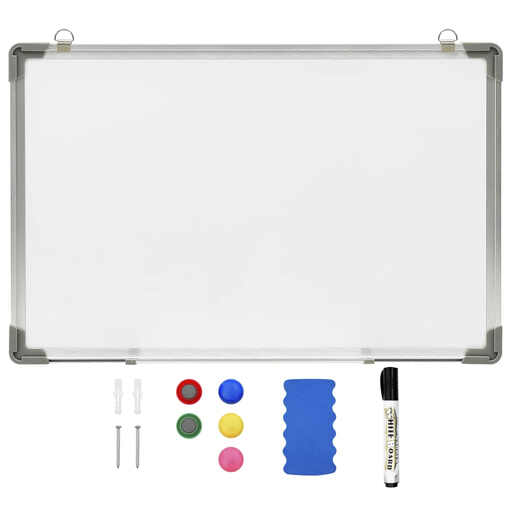
Why this product suits this user type: Its compact size is ideal for small workspaces, personal notes and limited wall space.
The stated dimensions of 50 × 35 cm make it easy to see how much writing space you’ll have before you buy. The magnetic steel surface also lets you attach notes.
Compact dimensions; writable white steel surface with magnetic function.
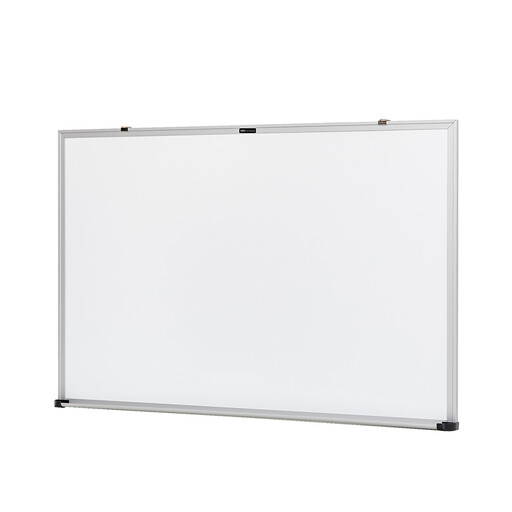
Why this product suits this user type: Its large format is designed for meetings, presentations and collaborative work around a central writing surface.
Its 1500 × 900 mm format reduces the risk of having to squeeze several pieces of content onto a board that’s too small.
Large writing surface; designed for office and meeting room use.
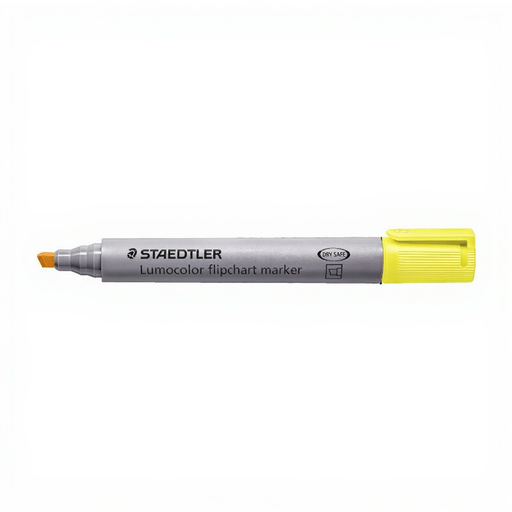
Why this product suits this user type: This marker is designed for paper flipcharts and presentations where you need variable line widths.
Its clear designation for paper flipcharts helps prevent the common mistake of confusing it with dry-wipe whiteboard markers.
Chisel tip with a line width of 2.0–5.0 mm; water-based, low-odour ink according to the product details.
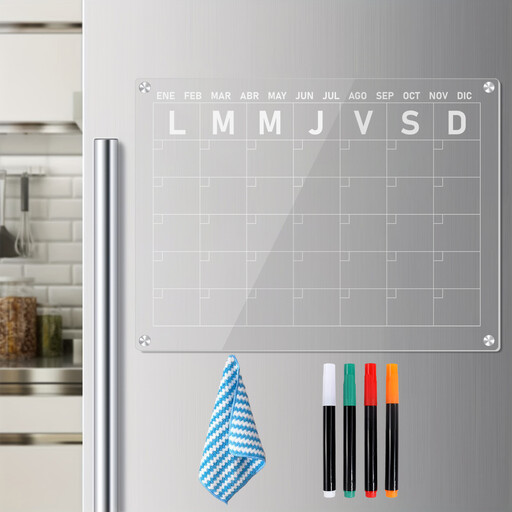
Why this product suits this user type: A magnetic calendar helps you keep appointments in view in the kitchen, family area or home office.
Its intended use as a magnetic planner sets it apart from a traditional presentation board, making it easier to choose a product that suits your actual needs.
Magnetic design; the product name indicates that a marker and cloth are included.
We’ve put together a complete, regularly updated list of products that meet these strict selection criteria and fully comply with the safety regulations in force in the EU.
Use markers specifically labelled as whiteboard markers or dry-wipe markers. Flipchart markers are primarily designed for paper and shouldn’t be used on a whiteboard unless the manufacturer says they’re suitable.
Start by removing ordinary marks with a dry whiteboard eraser. If any residue remains, use a soft cloth that’s suitable for the surface. Strong cleaners, abrasive products and rough sponges can damage the coating, so avoid them.
Its lifespan depends on the surface, marker quality, cleaning routine and level of use. Using dry-wipe markers and a suitable eraser, alongside regular whiteboard cleaning, can help keep the writing surface in good condition. Always follow the care instructions provided by the manufacturer.