
Lieferung heute & morgen

Qualitätsgarantie

Willkommens-Angebote freischalten: KOSTENLOSE Lieferung | Bis zu 80 % RABATT | Kostenlose 30-Tage-JoyPlus-Testphase
App herunterladen
A whiteboard is a central tool for organisation, brainstorming, and presentations. However, the buying process is filled with hidden pitfalls that often only become apparent after a few weeks of use. What seems like a budget-friendly board can quickly turn into a bad investment, revealing stubborn ink stains (“ghosting”) or a warped surface. This guide will show you the crucial features to look for to find a durable and functional dry-erase board that meets your needs.
Many users find that their new whiteboard becomes unusable after a short time. This is often due to defects that are not mentioned in product descriptions.
To avoid these problems, it's essential to check three core parameters before buying a whiteboard. These factors will largely determine the longevity and functionality of your board.
The quality of the writing surface is the most important factor for easy cleaning and a long lifespan.
The stability of a whiteboard depends on its frame and backing.
The right size and mounting type are crucial for practical use. A large office planning board (e.g., 150 x 90 cm) is ideal for team meetings, while a wall-mounted whiteboard in a 60 x 90 cm size is often sufficient for a home office. For personal organisation, a small magnetic board for the fridge can be a space-saving and practical solution.
Also, pay attention to the quality of the accessories. A good felt whiteboard eraser effectively removes marker residue without damaging the surface.
Here are some product recommendations tailored to specific use cases that meet the quality criteria mentioned above.
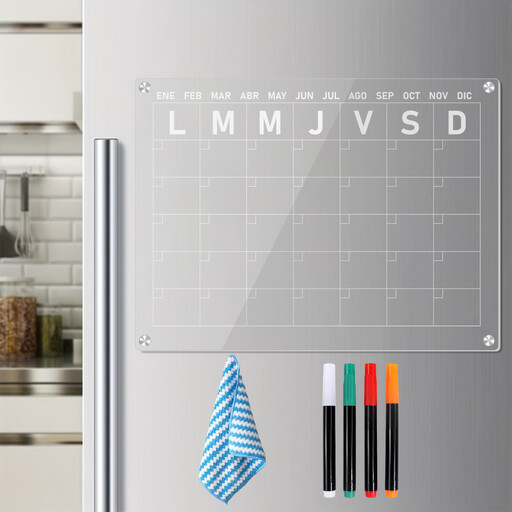
Why It's a Great Fit: Ideal for organising appointments, shopping lists, or meal plans in the kitchen or home office. The magnetic backing adheres directly to the refrigerator, eliminating the need for wall mounting.
This product is designed for a specific use case. Since it's not intended for hours-long presentations, the risk of "ghosting" from intensive use is low. The magnetic adhesion is optimised for its intended purpose (attaching to a fridge).
Complete set including markers and a cloth; ready to use out of the box with no installation required.
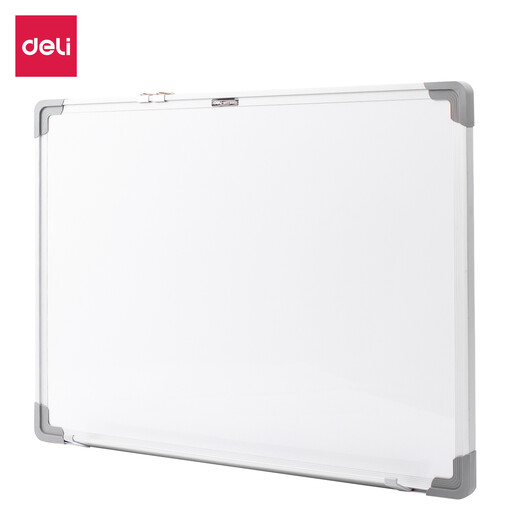
Why It's a Great Fit: A classic planning board in a standard size that is well-suited for small meeting rooms, individual offices, or the home office. The silver frame provides a professional look.
The metal frame and MDF backing offer greater stability than frameless or cardboard-backed models, reducing the risk of warping. The surface is designed for regular office use.
Compact size (450 × 600 mm) for versatile use; sturdy frame for secure wall mounting.
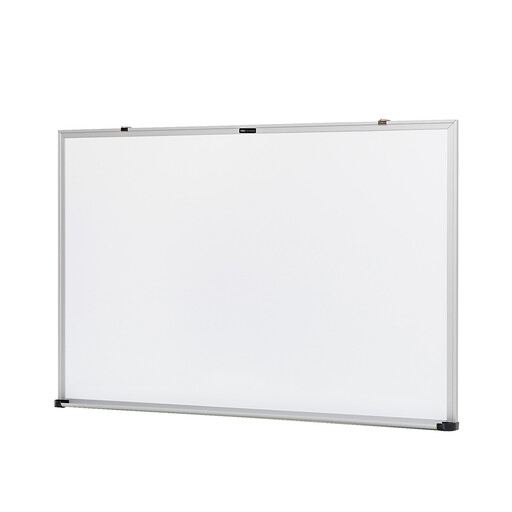
Why It's a Great Fit: With its generous 1500 x 900 mm surface area, this whiteboard is designed for use in large offices and conference rooms where content needs to be clearly visible to a larger audience.
Large-format boards are especially prone to warping. This model is specifically designed for conference rooms, which suggests a more robust construction to prevent bowing. The surface is built for intensive use.
Very large writing surface suitable for comprehensive project planning, training sessions, and team brainstorming.
We've curated a complete, up-to-date list of products that fully meet these strict selection criteria and comply with current regulations.
For daily cleaning, a dry whiteboard eraser or a microfiber cloth is sufficient. To prevent the build-up of ink residue, the board should be cleaned regularly—at least once a week—with a dedicated whiteboard cleaning spray. Never use abrasive scouring agents or harsh household cleaners, as they will damage the surface.
A magnetic whiteboard offers greater functionality, as it allows you to not only write but also attach documents, printouts, or presentation cards with magnets. This is particularly advantageous in offices, meeting rooms, and educational settings. If you plan to use the board exclusively for writing or drawing, a non-magnetic model can be a more cost-effective alternative.
For personal task management and notes in a home office, a board size of around 45 x 60 cm to 60 x 90 cm is usually sufficient. It provides enough space for to-do lists and ideas without dominating the room. Before buying, measure the available wall space to ensure the board will fit well.