
Lieferung heute & morgen

Qualitätsgarantie

Willkommens-Angebote freischalten: KOSTENLOSE Lieferung | Bis zu 80 % RABATT | Kostenlose 30-Tage-JoyPlus-Testphase
App herunterladen
The decision to adopt a more conscious diet leads many people to seek alternatives to everyday foods. Whole grain pasta is a popular choice, offering a wholesome version of the beloved classic. However, the market is diverse, and the differences are in the details. This article serves as a guide to simplify your choice and help you find the right whole grain pasta for your needs. We'll introduce different types and provide practical tips for your next shopping trip.
To make an informed decision, it helps to be familiar with a few basic criteria. These features will help you assess the quality and suitability of healthy pasta for your dishes.
A quick look at the ingredient list is crucial. For high-quality whole grain pasta, whole durum wheat semolina (or the corresponding whole grain flour of the specific grain) should be the first ingredient. This indicates that the main component is derived from the entire grain. Products that contain only a small amount of whole grain flour and are otherwise made from conventional semolina do not offer the same nutritional benefits.
One of the key advantages of whole grain products is their high fiber content. Fiber-rich pasta contributes to healthy digestion. A good benchmark for whole grain pasta is a fiber content of about 6 grams or more per 100 grams. You can find this information in the nutrition facts table on the packaging, and it serves as an objective indicator of the whole grain content.
The shape of the pasta is more than just a matter of aesthetics; it determines how well the sauce clings to it.
Based on objective product features like ingredients, nutritional values, and intended use, we have compiled a selection of different types of whole grain pasta.
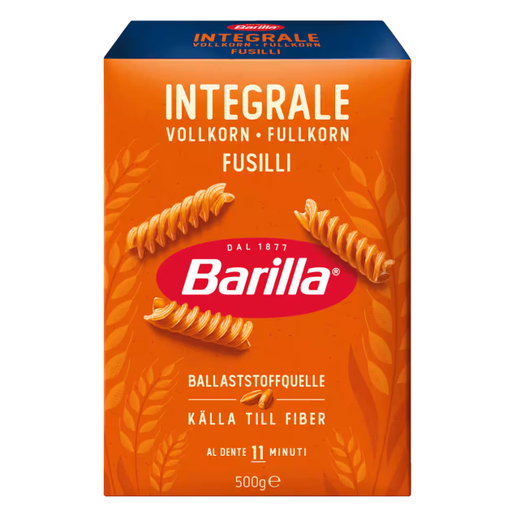
Why It Stands Out: According to the manufacturer, this pasta is made from 100% whole durum wheat semolina and processed using an exclusive Barilla milling method. The result is a whole grain pasta with a golden-yellow colour and a texture that remains perfectly "al dente" after cooking.
Pros:
Who It's For: This product is a great choice for lovers of Italian cuisine who want to combine an authentic pasta experience with the benefits of whole grains. It's suitable for families and home cooks looking for a reliable base for classic dishes.
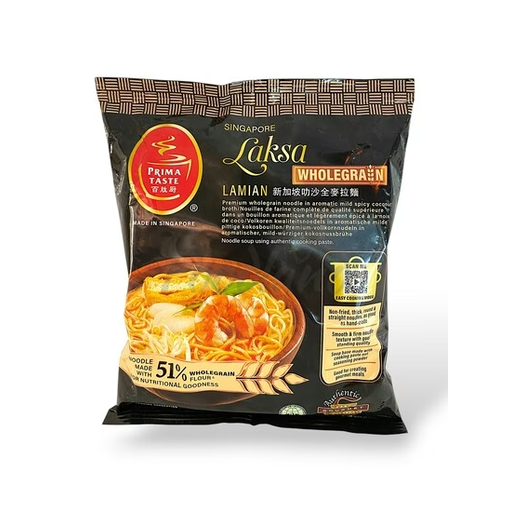
Why It Stands Out: This product combines Asian whole grain noodles with an authentic Laksa spice blend from Singapore. It's designed as a complete meal kit that brings the complex flavour of a coconut curry soup to your table in minutes. The noodle dough is made with 51% whole grain flour.
Pros:
Who It's For: Ideal for those who appreciate Southeast Asian cuisine and are looking for a quick yet flavourful meal. It appeals to users who are open to international tastes and want a convenient alternative to traditional pasta.
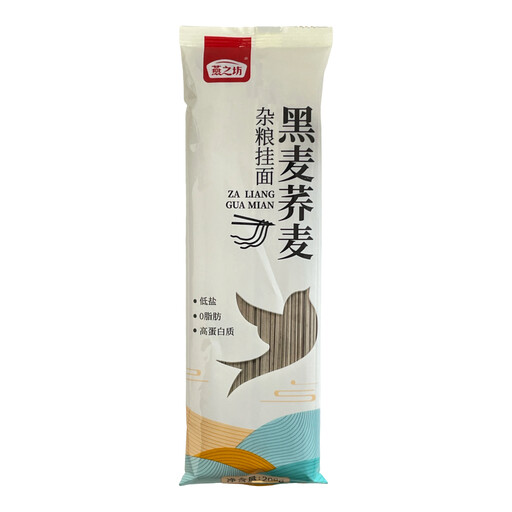
Why It Stands Out: These noodles offer an interesting alternative to standard wheat pasta with their blend of rye flour (35%) and buckwheat flour (27.6%). This combination gives them a distinct, slightly nutty flavour and a firm texture.
Pros:
Who It's For: This product is aimed at adventurous cooks looking for new flavour profiles and grain types. It pairs well with Asian-inspired dishes, clear broths, or as a simple side dish.
The world of whole grain pasta is vast, with something for every taste. If our curated selection didn't include the perfect product for you, or if you simply want to browse and discover more shapes and brands, it's worth exploring our wider range.
Discover Our Entire Range of Whole Grain Pasta
The main difference lies in how the grain is processed. For whole grain products, the entire grain kernel is used—including the bran and the germ. Conventional white pasta, on the other hand, is made from refined grain. As a result, whole grain pasta typically contains more fiber, vitamins, and minerals, which are concentrated in the outer layers of the kernel.
Due to its denser structure, whole grain pasta often requires a slightly longer cooking time than white pasta. The exact time varies depending on the shape and thickness of the noodles. It's best to follow the package directions and taste the pasta towards the end of the cooking time to achieve the desired "al dente" firmness.
The more robust, slightly nutty flavour of whole grain pasta pairs well with equally bold sauces. Hearty tomato sauces with vegetables, a spicy lentil bolognese, pesto made from herbs and nuts, or sauces based on roasted vegetables all complement the pasta's flavour beautifully. Lighter cream sauces can be overpowered by the pasta's distinct taste.