
Lieferung heute & morgen

Qualitätsgarantie

Willkommens-Angebote freischalten: KOSTENLOSE Lieferung | Bis zu 80 % RABATT | Kostenlose 30-Tage-JoyPlus-Testphase
App herunterladen
Whole milk products offer a wide spectrum of indulgent experiences—from creamy milk chocolate and crispy chocolate cookies to convenient whole milk powder for your pantry. But the vast selection on supermarket shelves and online can quickly become overwhelming. Vague marketing claims and unclear labelling often lead to a purchase that fails to meet expectations. This guide will help you identify the key quality indicators and find products that truly fit your needs.
Before you fill your shopping basket, you should be aware of three common issues that often lead to disappointment:
To ensure you get a product that's right for you, focus on three objective criteria. These will help you assess quality, regardless of advertising messages.
These two values are particularly crucial when buying whole milk chocolate. The cocoa content indicates what percentage of the product is made from cocoa solids (cocoa mass and cocoa butter). A good whole milk chocolate generally has a cocoa content of at least 30%. The milk content, often listed as whole milk powder in the ingredients, determines the creaminess and milky taste. A high ranking on the ingredients list indicates a higher proportion.
A short and clear ingredients list is often a sign of a less processed product. Pay attention to the order: the ingredient with the largest weight percentage is listed first. When you buy milk chocolate online, check the product description carefully for:
The intended use determines the requirements for the product.
Here are some product recommendations tailored to different user profiles.
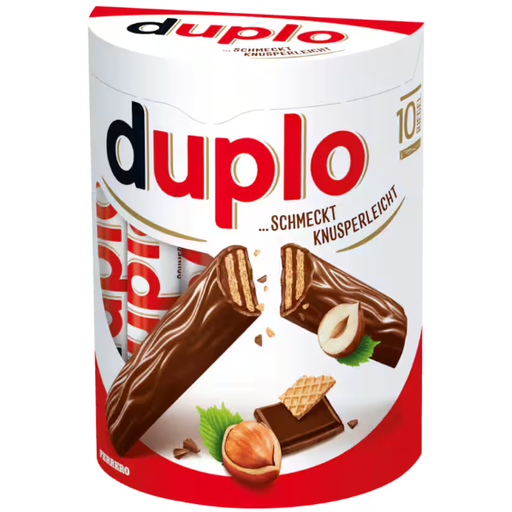
Why it's a great fit: The individually wrapped bars are a convenient and kid-approved snack for lunchboxes or on the go. The combination of wafer, nougat cream, and whole milk chocolate is a well-known classic.
The product description is clearly defined (wafer with nougat cream) instead of using vague terms like "extra milky." The ingredients list is transparent, and the brand offers consistent quality.
The individual packaging ensures freshness and easy portion control, making it an ideal on-the-go snack.
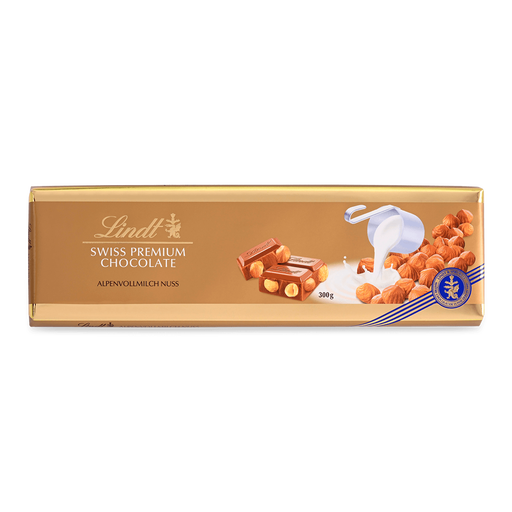
Why it's a great fit: For lovers of high-quality chocolate who value clear quality markers. The combination of Swiss whole milk chocolate and whole, roasted hazelnuts delivers an intense flavour experience.
The product provides concrete figures: the cocoa content is at least 31% and the hazelnut content is 15%. This creates transparency and bypasses vague marketing claims.
The use of whole nuts instead of nut pieces and a defined, solid cocoa content set this whole milk chocolate apart from standard products.
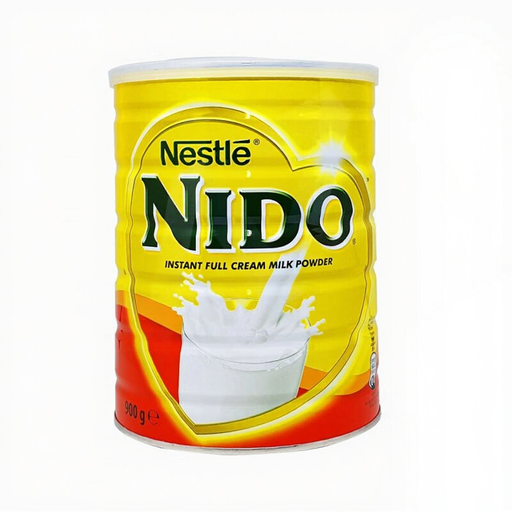
Why it's a great fit: Ideal for pantry stocking as a flexible alternative to fresh milk. It's suitable for drinking, cooking, and baking, and has a long shelf life thanks to the large tin.
This whole milk powder avoids the pitfall of poor functionality with clear preparation instructions (3 spoons to 225 ml of water) and good solubility, which is aided by the soy lecithin emulsifier.
Long shelf life and versatile application make it a reliable kitchen staple that is always available when needed.
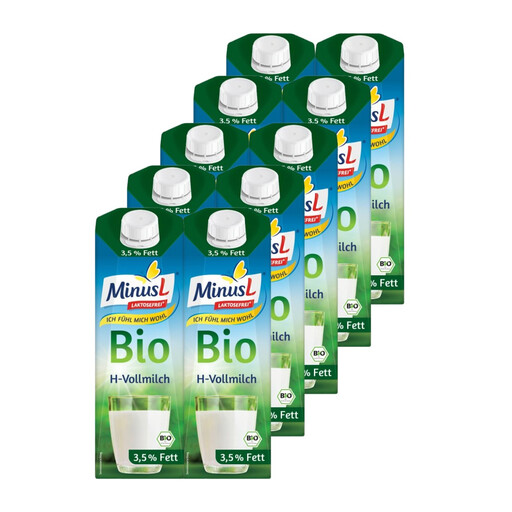
Why it's a great fit: This milk is specifically aimed at people with lactose intolerance who don't want to miss out on the full flavour of whole milk. The organic quality and the convenient 10-pack are additional benefits.
The value of this product lies in its clear function: it is lactose-free whole milk. There are no vague marketing promises, but a direct solution for a specific dietary need.
Allows for the enjoyment of real whole milk without the discomfort typically associated with lactose intolerance. The UHT version also ensures a long shelf life.
We have compiled a complete, up-to-date list of products that fully meet these strict selection criteria.
1. How can I identify high-quality whole milk chocolate? Look for a cocoa content of at least 30% and ensure that cocoa butter and whole milk powder are high up on the ingredients list. A shorter ingredients list without a long line of artificial flavours or fillers is often a good sign.
2. What is the difference between whole milk powder and skimmed milk powder? The main difference is the fat content. Whole milk powder contains all the milk fat (typically around 26-28%), which gives it a richer, creamier taste and makes it ideal for baking or for rich drinks. Skimmed milk powder is made from skimmed milk, has a very low fat content, and a lighter taste.
3. Are whole milk chocolate cookies a good choice for children?Chocolate cookies can be a delightful treat in family life. It is advisable to pay attention to portion size and check the nutritional information, especially the sugar content. Individually portioned products can help to better control consumption. Brands like Leibniz offer various options for this, from classic butter biscuits with chocolate to minis.