
Lieferung heute & morgen

Qualitätsgarantie

Willkommens-Angebote freischalten: KOSTENLOSE Lieferung | Bis zu 80 % RABATT | Kostenlose 30-Tage-JoyPlus-Testphase
App herunterladen
The search for nutritious alternatives to conventional foods often leads people to whole wheat pasta. Compared to pasta made from refined flour, it offers a different nutritional profile and a distinctive flavour. However, the growing selection on the market can make choosing difficult. This article serves as a guide, presenting objective criteria to help you make an informed decision. We will examine the essential characteristics of whole-grain pasta and present a selection of products.
As your Joybuy Product Recommendation Officer, my mission is to provide you with clear, factual information so you can find the right product for your needs.
To make the right choice, a few fundamental product features are crucial. The following points will help you evaluate the quality and suitability of whole wheat pasta.
The term "whole grain" means that the entire grain kernel—including the germ, endosperm, and bran—is milled. On the ingredient list, look for the specification "100% whole-grain durum wheat semolina". This wording ensures that there is no blend with refined flour and that you receive the full nutritional value of the grain. Products containing only a portion of whole wheat flour do not offer the same benefits.
Fibre-rich pasta is a central feature of whole-grain products. Fibre is an important component of a balanced diet. A look at the nutrition facts table reveals the exact content. Products with a high fibre content (typically between 6 g and 10 g per 100 g) are often a great choice for a conscious diet. This value is an objective indicator of the whole-grain percentage.
For consumers who value organic farming, the EU organic seal is a reliable mark of quality. Organic whole wheat pasta is made from grain grown according to the strict guidelines of the EU regulation on organic production. This includes avoiding synthetic pesticides and chemical fertilisers. The country of origin, such as "Made in Italy," can also be an indicator of traditional production methods.
Based on the criteria mentioned above, we have compiled a selection of products that stand out for their specific properties.
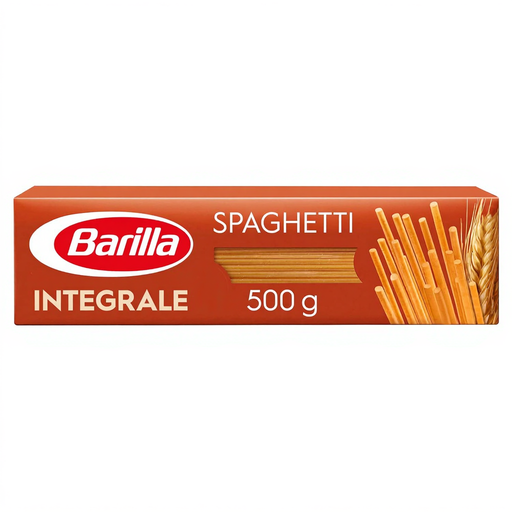
Why It Stands Out: This linguine from Barilla's whole-grain line is made from 100% whole-grain durum wheat semolina and offers an authentic taste. According to the manufacturer, an 85 g serving covers over 20% of the daily fibre requirement. The 9-minute cooking time is designed for an "al dente" texture.
Advantages:
Who It's For: Individuals looking for the classic Italian pasta taste in a whole-grain version who value a reliable "al dente" texture.
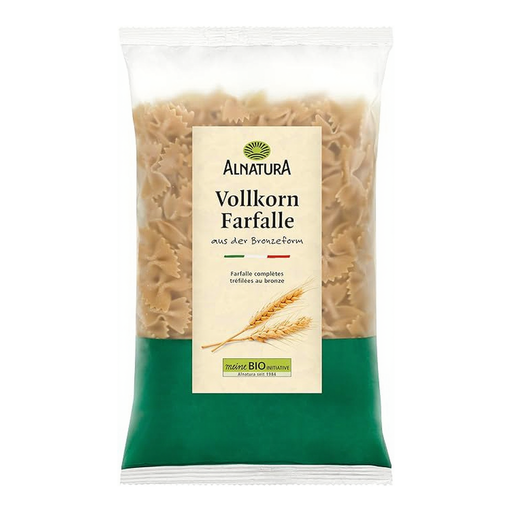
Why It Stands Out: The Alnatura Organic Whole-Grain Farfalle carries the EU organic seal and is produced in a traditional pasta factory. The dough is prepared from freshly milled grain and dried slowly, which is said to give the product an intense flavour.
Advantages:
Who It's For: Consumers specifically seeking organic products who prefer a robust, authentic flavour. Ideal for vegans and anyone who supports sustainable production processes.
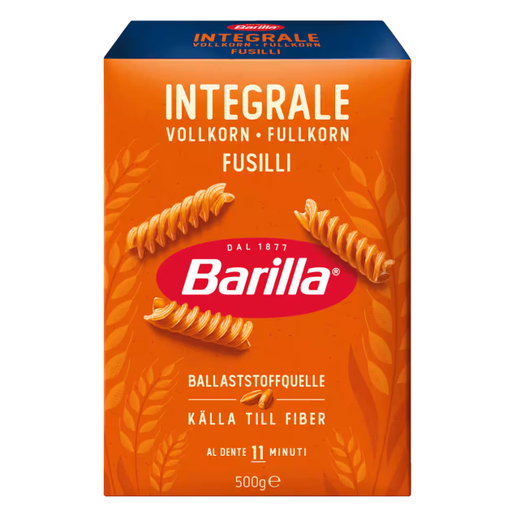
Why It Stands Out: This fusilli is also made from 100% whole-grain durum wheat semolina and is distinguished by a milling process developed by Barilla. The spiral shape of the fusilli is particularly good at capturing sauces.
Advantages:
Who It's For: Households and individuals looking for a versatile pasta shape for a wide variety of sauces who appreciate an especially high fibre content.
If you'd like to incorporate other whole-grain alternatives into your diet besides pasta, our range of whole-grain rice might be of interest to you. There you will find a selection of products that can also contribute to a balanced diet.
The cooking time for whole wheat pasta is generally slightly longer than that of conventional pasta made from durum wheat semolina. It is usually between 9 and 12 minutes. For an optimal result, it is recommended to follow the instructions on the package carefully and to taste the pasta towards the end of the cooking time to achieve the desired "al dente" consistency.
Whole wheat pasta differs from conventional pasta mainly in its nutritional profile. Since the entire grain is processed, it contains more fibre, vitamins (especially B vitamins), and minerals (like magnesium, iron, and zinc) than pasta made from refined flour. Whether it fits into an individual's diet as healthier pasta depends on personal dietary goals. It is a nutritious option for a high-fibre diet.