What should you look for when buying?
Start with the ingredients list and nutritional information per 100 g. Then check that the preparation method and pack size suit your stay.
| Criterion |
What to check when buying |
Who should pay particular attention? |
| Wholegrain and fibre |
Look for named wholegrain ingredients and compare fibre per 100 g. According to Lebensmittelklarheit, ingredients are listed in descending order by weight. |
If I want a clearly identifiable wholegrain base in the morning, I look more closely at the grains than the front of the pack. Around 36% of consumers would put wholegrain and fibre first. |
| Sugar |
Check the “of which sugars” figure per 100 g and read the ingredients list. The Verbraucherzentrale notes that syrup, honey and dried fruit can also contribute to the sugar content. |
For a family breakfast, I’m happy for the cereal to taste sweet, but I want to know how much sugar it actually contains. Around 29% of consumers would prioritise comparing sugar content. |
| Ingredients and allergens |
Check the highlighted allergens and may-contain statements on the specific pack; don’t assume the information applies to another variety. |
If someone in my travel group needs to avoid certain ingredients, I check that it’s suitable before setting off rather than waiting until breakfast. Around 21% of consumers would make this check a priority. |
| Pack size and preparation |
Plan portions for the number of people and days you’re travelling; check storage instructions and whether you’ll need extras such as milk or yoghurt. |
For a short stay, I don’t want to take an unsuitable large pack or have to look for extra ingredients in the morning. Around 14% of consumers would therefore focus mainly on practicality. |
Brands and specific varieties to consider
The information below relates to the specific products mentioned, not every variety from each brand. Your decision should be based on the labelling of the pack you’re buying.
Seitenbacher
Zuckerarm muesli is an example of a mix whose wholegrain base and sugar per 100 g can be compared directly.
- According to Seitenbacher, this variety contains 70% wholegrain oat flakes; it contains 1 g of sugar and 9 g of fibre per 100 g.
- The mix contains almonds, as well as spelt and barley malt. Check the specific pack to see whether it meets your personal ingredient or allergen requirements.
bio-familia
Bio Birchermüesli Original combines grains with fruit and nuts, making it an option for travellers who want this kind of mix without adding anything themselves.
- According to bio-familia, 90% of the grain content is wholegrain. The nutritional information lists 8.3 g of fibre and 13 g of sugar per 100 g.
- This variety contains hazelnuts, almonds, wheat, rye and barley. If you’re interested, also check whether it’s available where you plan to shop.
Nestlé Cereals / Cini Minis
These cinnamon-flavoured cereals offer a different taste from plain muesli; consider the wholegrain claim alongside the sugar content.
- Nestlé Cereals states that they contain 36.6% wholemeal wheat flour and 7.5 g of sugar per 30 g serving.
- The ingredients list also includes sugar and glucose syrup; there are also warnings that the product may contain traces of milk and nuts.
Kellogg's
For this buying decision, it’s the specific Kellogg's cereal variety that matters, not the brand name.
- Compare the wholegrain ingredients and nutritional information of the specific variety with other products you’re considering for your trip.
- Don’t assume the wholegrain content, sugar level or allergen information is the same across different varieties.
Products for breakfast in your holiday let
This selection includes wholegrain wheat cereals, oat flakes, millet flakes and a crunchy oat muesli. As well as choosing your preferred grain, consider which pack size and preparation method will suit your stay.
 No image available
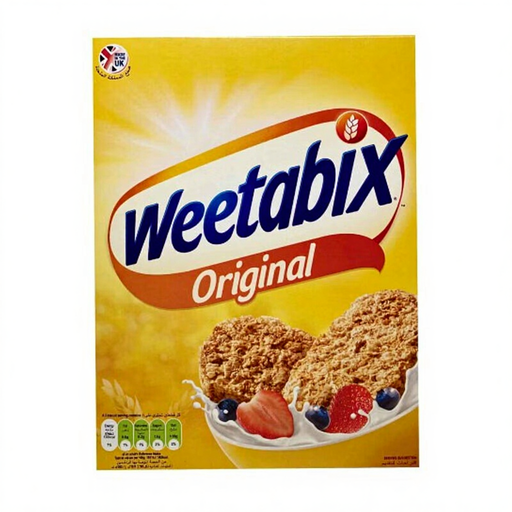
Weetabix Original wholegrain wheat cereal biscuits, 430 g
For travellers who prefer wheat cereals in individual biscuits rather than loose flakes.
Pack size: 430 g. The product contains wheat and, according to the product information, barley too; check the pack labelling if you have specific requirements.
View at Joybuy
 No image available
Jeden Tag coarse rolled oats, 500 g
For a breakfast where you’d like to prepare or add your own toppings to coarse rolled oats.
Pack size: 500 g. If you have specific ingredient or allergen requirements, check the labelling on the specific pack.
View at Joybuy
 No image available
Alnatura organic fine oat flakes, 500 g
For travellers who prefer fine oat flakes as the base for their breakfast.
Pack size: 500 g. If allergens are important to your choice, check the information on the pack itself before buying.
View at Joybuy
 No image available
Jeden Tag Less Sweet Crunchy Oat Muesli, 750 g
For a crunchy oat muesli, if the 750 g pack suits the breakfasts you have planned or the journey home.
“Less Sweet” doesn’t mean you can skip checking the nutritional information: the product details list 12 g of sugar per 100 g, with sugar and glucose-fructose syrup in the ingredients. Check the allergen and may-contain statements on the pack too.
View at Joybuy
 No image available
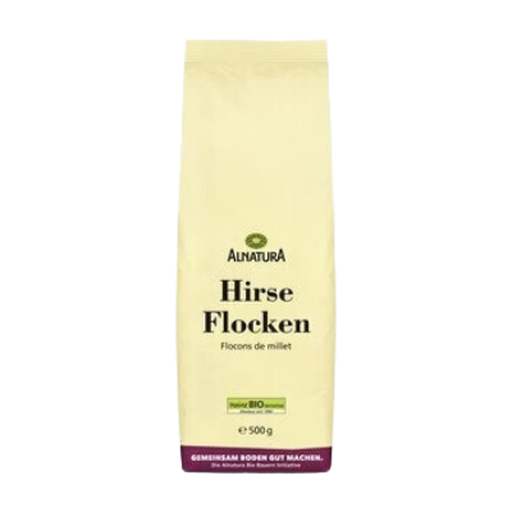
Alnatura organic wholegrain millet flakes, 500 g
For travellers who’d like to use wholegrain millet flakes instead of oats or wheat as the base for muesli or porridge.
Pack size: 500 g. According to the product information, seal and store in the fridge after opening, and use within 14 days. If you need to avoid certain ingredients, check the may-contain statements on the pack.
View at Joybuy
Frequently asked questions
How can I tell how much wholegrain is in cereals?
Check which wholegrain ingredients are listed and whether a percentage is given for them. According to Lebensmittelklarheit, ingredients are listed in descending order by weight; you can also compare the fibre figures per 100 g.
Does “no added sugar” mean that a muesli is low in sugar?
No. Ingredients can contain sugars naturally. When comparing different mueslis, the key figure is “of which sugars” per 100 g; the Verbraucherzentrale also recommends checking the ingredients list for sweetening ingredients.
What does “low in sugar” mean for dry muesli?
According to the Verbraucherzentrale, for solid foods “low in sugar” means no more than 5 g of sugar per 100 g. On its own, the claim says nothing about wholegrain content, fibre or allergens.
Do I need to check every pack if I have a grain or nut allergy?
Yes, as ingredients and may-contain statements can vary between varieties. Check the highlighted allergens and any other warnings on the exact pack you plan to buy for your trip.
What pack size should I choose for a stay in a holiday let?
Choose the amount based on the breakfasts you’ve planned, the number of people travelling and typical portion sizes. If you buy a larger pack, consider whether you’ll be able to store and take home any leftovers; check the product’s storage instructions too.


