For a quick breakfast on the go, choose wholegrain cereals based on where and how you’ll eat them. Individual portions are easy to take with you without decanting, while a bowl of muesli means planning for liquid and a suitable container. For every variety, check the wholegrain ingredients listed on the pack, along with the sugar, fibre and allergen information; the words “wholegrain” alone don’t tell you everything you need to know.
Who are the different varieties suitable for?
Commuters who prepare breakfast in advance
You fill a container with muesli and yoghurt, or prepare overnight oats, and are looking for clearly labelled wholegrain flakes. Compare the fibre per 100 g, and check the ingredients for the specific variety if it contains nuts or fruit.
People short on time at breakfast
You want to quickly make a bowl with milk or yoghurt at home, in the office or at school. Flakes and cereals in individual portions suit this routine; the wholegrain content, sugar and allergens depend on the specific product.
Families who care about flavour
You’re looking for a variety the whole household will enjoy, perhaps one with cinnamon. With sweeter cereals, compare the sugar per 100 g and read the ingredients rather than assuming that the wholegrain content tells you about the other nutritional values.
What should you look for when choosing?
When choosing wholegrain cereals for on the go, first decide whether you want to eat them dry, prepare them there and then, or take them ready-mixed. You can then compare the ingredients and nutritional information of the products that fit your needs.
| What matters |
What to check |
Who it matters to |
| Wholegrain and fibre |
Look for wholegrain cereals clearly named in the ingredients list and compare the fibre per 100 g. |
If wholegrain is my main reason for choosing a product, I want to be able to identify it in the ingredients and compare the fibre information. This is a priority for around 42% of consumers. |
| Preparation and portability |
Check the pack format and serving size; if you’re taking a bowl of muesli, plan to bring liquid and a sealable container. |
I barely have time to decant anything in the morning, so my breakfast needs to suit my journey and where I’ll eat it. This is a priority for around 33% of consumers. |
| Flavour, sugar and allergens |
Compare the sugar per 100 g and, if needed, read the ingredients list, highlighted allergens and precautionary allergen information. |
I want a variety the household will enjoy, while also knowing the sugar content and any relevant allergens in that specific mix. Around 25% of consumers prioritise this. |
Which buying mistakes can you avoid?
-
Assuming dark-coloured cereals are wholegrain
The colour and a rustic appearance don’t reliably show which grains have been used. The German Nutrition Society points this out.
Look for wholegrain cereals clearly named on the pack, then check the ingredients list and the fibre per 100 g.
-
Assuming wholegrain means low in sugar
A product can contain both wholegrain and added sugar. In the cereal mix described by Müller, Cini Minis contain wholemeal wheat flour as well as sugar and glucose syrup, according to the ingredients list.
Compare the sugar per 100 g and consider how much you’ll actually eat.
-
Overlooking allergens in muesli
A wholegrain label doesn’t tell you whether other ingredients might be relevant to you. For example, Seitenbacher lists almonds in its Bio Müsli Frühstücks Mischung #545.
Check the highlighted allergens and any precautionary allergen information on the current pack, even if you already know the variety.
-
Assuming “to go” means ready to eat
If you want to eat muesli as a bowl, you’ll need milk, yoghurt or another suitable addition where you’re eating it. That’s different from eating it dry.
Before you buy, decide whether you want to eat it dry, mix it on the spot or prepare your breakfast at home in a sealable container.
Brands and product ranges to help you choose
Kellogg’s
Kellogg’s Germany describes Special K Classic as flakes made from wholegrain wheat, barley and rice. The range also includes granolas.
- The wholegrain ingredients in Special K Classic are clearly named.
- Claims about fibre or “30% less sugar” for certain Crunchy Oat Granolas don’t automatically apply to Classic or other Kellogg’s products.
Nestlé Cerealien
Nestlé Cerealien Germany states that the FITNESS recipe it describes contains 61,1% wholegrain wheat. This information applies to that specific variety.
- Nestlé lists 9,4 g of fibre per 100 g for the FITNESS variety described.
- The ingredients list also includes sugar and invert sugar syrup. When you buy, check the recipe shown on the specific pack.
Cini Minis
Cini Minis is a cinnamon-flavoured cereal range. Müller includes it in a Nestlé mix with mini packs.
- Müller describes the individual packs in the mix as suitable for taking with you.
- For the Cini Minis in this offer, Müller states a wholegrain content of 37%; the ingredients list also includes rice flour, sugar and glucose syrup. Check the information on other packs individually.
Seitenbacher
Seitenbacher offers hearty mixes such as Bio Müsli Frühstücks Mischung #545, made with wholegrain oats, wholegrain wheat and wholegrain barley.
- For mix #545, Seitenbacher lists 10 g of fibre and 11 g of protein per 100 g.
- The mix contains almonds and raisins; Seitenbacher states that it has 14 g of sugar per 100 g. These figures apply only to the variety named.
familia
bio-familia describes Original Swiss Müesli No Added Sugar as a mix of grains, fruit and nuts.
- According to bio-familia, grains make up 82% of this variety, of which 98% are wholegrain.
- The variety contains hazelnuts and almonds. Check the current ingredients and nutritional information on the specific pack; the product description doesn’t indicate whether it’s available from a particular retailer.
Joybuy products for different breakfast routines
Here you’ll find cereals, muesli and an individual portion of porridge to suit different routines: a quick bowl, dry cereal, mini packs to take with you or a breakfast made with hot water. Compare the information on each pack before choosing a variety.
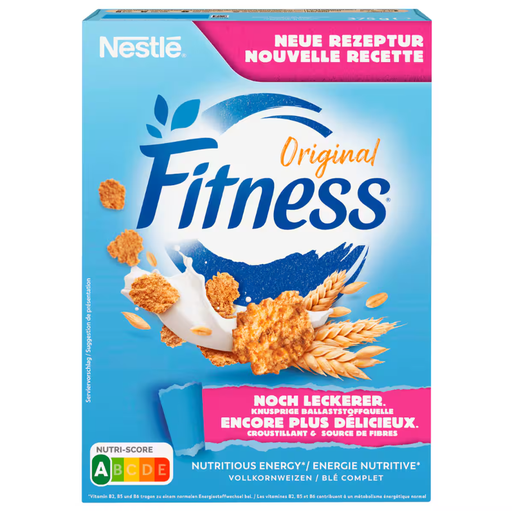 No image available
Nestlé Fitness Original wholegrain cereals, 375 g
These cereals could suit you if you plan to have them with milk or yoghurt where you’re eating breakfast.
Pack size: 375 g. Check the wholegrain content and nutritional information per 100 g for this specific pack, and see whether it’s divided into individual portions. Information about other FITNESS recipes may not apply.
View on Joybuy
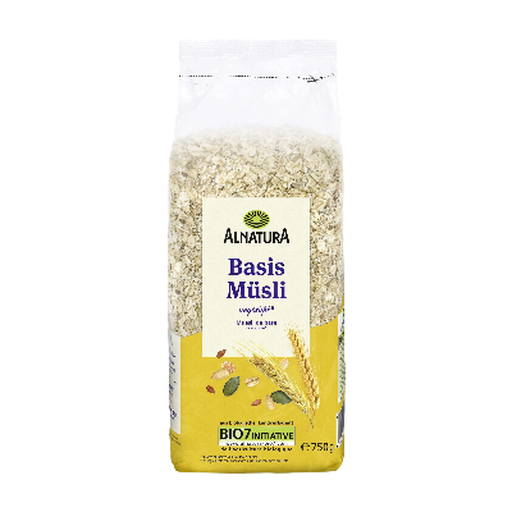 No image available
Alnatura Organic Basic Muesli with Cornflakes, 750 g
This muesli is a good fit for a breakfast you mix with a suitable addition where you’re eating it, or prepare in advance in a container.
Pack size: 750 g. If you want to take individual breakfast portions with you, check how the pack is divided and make sure you have a suitable container.
View on Joybuy
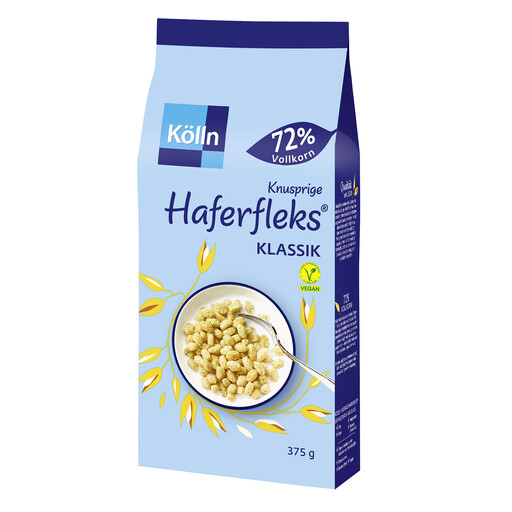 No image available
Kölln Crunchy Classic oat pillows, 375 g
These oat pillows could suit you if you want to pack dry cereal or make a bowl where you’re having breakfast.
Pack size: 375 g. Check the packaging if you want to take individual portions with you; if you have allergies, the ingredients and precautionary allergen information on the specific pack are what matter.
View on Joybuy
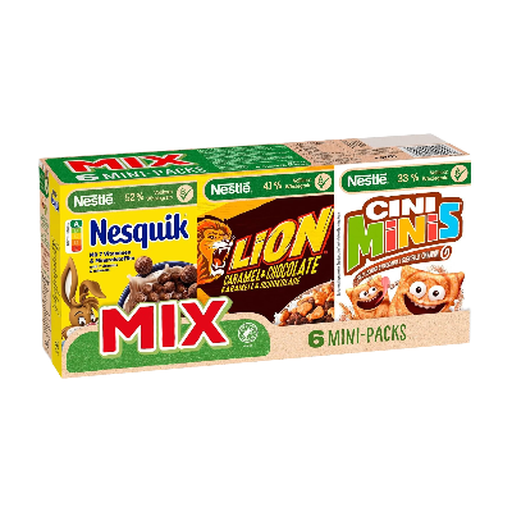 No image available
Nestlé Cereal Variety Mini Pack, 200 g
This cereal mix suits a routine where you want to take mini packs with you without decanting them first.
Total weight: 200 g. Check the wholegrain ingredients, sugar and allergens for each variety in the mix rather than assuming the information for one applies to them all.
View on Joybuy
 No image available
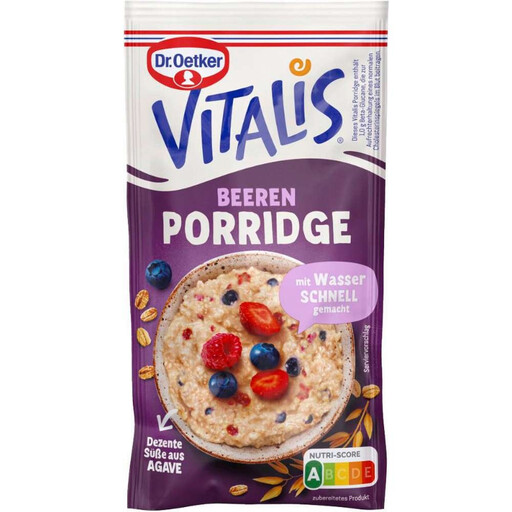
Dr. Oetker Vitalis Berries oat porridge, 53 g
This porridge could work for breakfast on the go if you have access to hot water and time to prepare it.
Pack size: 53 g. Don’t compare the nutritional information for prepared porridge directly with figures per 100 g of dry cereal; check the basis of the figures on each pack.
View on Joybuy
Frequently asked questions
How can I tell whether cereals are wholegrain?
Look for wholegrain cereals clearly named in the ingredients list. The German Nutrition Society points out that a dark colour isn’t a reliable indication of wholegrain.
Can I take wholegrain cereals with me without any preparation?
You can plan differently for dry cereals or individual portion packs than you would for a bowl of muesli. If you want to add milk or yoghurt, you’ll need it where you’re eating, or you’ll need a suitably prepared container. Also check whether the stated serving size refers to dry cereal only.
Do I need to check allergens in wholegrain muesli?
Yes. A wholegrain label doesn’t replace checking the ingredients in the specific mix. Look for highlighted allergens and any precautionary allergen information on the current pack; muesli may contain nuts or cereals containing gluten, for example.
Does “no added sugar” mean muesli is sugar-free?
No. “No added sugar” doesn’t automatically mean the sugar figure is zero. Compare the sugar per 100 g in the nutritional information and read the ingredients, as fruit, for example, can contribute sugar to the product.


