People who prioritise wholegrain
You want to be able to identify a stated wholegrain content in your breakfast cereal. Oat or wheat flakes may also fit the bill, even if they aren't classic cornflakes.


If wholegrain is your priority when shopping online, choose cornflakes or other breakfast cereals based on an explicit wholegrain claim and the ingredients list – not their colour or product name. Crunchy oat or wheat flakes can be an alternative to classic cornflakes. Check the sugar and fibre per 100 g, and review allergen information separately. Before eating, compare the online information with the pack you receive.
You want to be able to identify a stated wholegrain content in your breakfast cereal. Oat or wheat flakes may also fit the bill, even if they aren't classic cornflakes.
You’re looking for a crunchy breakfast and want to check the “of which sugars” figure. A claim about no added sugar and a wholegrain claim answer different questions.
You need to check allergens or other ingredients before ordering and want to know whether your chosen variety can be delivered to your address. Once it arrives, compare the information on the pack with the online listing.
First decide whether wholegrain, sugar levels, ingredients or the variety available for delivery will determine your choice. Then compare the nutritional information using the same reference amount of 100 g.
| Criteria | What to check | Who should pay particular attention? |
|---|---|---|
| Wholegrain | Check for an explicit wholegrain claim and read the ingredients; compare fibre per 100 g separately. | I want to know how much wholegrain my breakfast cereal contains, and would choose oat or wheat flakes instead of cornflakes if necessary. For around 40% of consumers, this is their top priority. |
| Sugar | Read the “of which sugars” figure per 100 g and the ingredients list; don’t assume that “no added sugar” means wholegrain. | When choosing between crunchy varieties, the stated sugar level matters more to me than a wholegrain claim on the front of the pack. Around 30% of consumers make this their top priority. |
| Ingredients and allergens | Check the ingredients, highlighted allergens and any possible traces for the specific variety. | I need to check before buying whether the ingredients and allergen information meet my requirements; the type of grain alone isn’t enough. This check takes priority for around 20% of consumers. |
| Delivery and packaging | Check your delivery address and pack size before ordering; once it arrives, compare the ingredients and nutritional information with the pack. | My first priority is being able to order my chosen variety to my address and check its information on the delivered pack. Around 10% of consumers say this is what matters most to them. |
A stated wholegrain content alone tells you nothing about the sugar level. The Nestlé Fitness and Nestlé Cini Minis varieties listed by REWE differ both in wholegrain content and in the stated sugar per 100 g.
Check the wholegrain claim, “of which sugars” and fibre separately, and for the specific variety each time.
The German consumer advice centre explains that “no added sugar” refers to added sugars and other sweetening ingredients. It tells you neither the total sugar content nor the wholegrain content.
Also check the “of which sugars” figure per 100 g and look for a separate wholegrain claim.
Corn-based cornflakes can also contain other ingredients, such as barley malt. Other products may carry a precautionary allergen statement as well.
If you need to avoid specific ingredients or allergens, check the labelling for the particular variety and the pack you receive rather than relying on the product category alone.
The range shown depends on your chosen delivery location. EDEKA also notes that online information may differ from the details on a product pack.
Enter your delivery address before ordering. Once your order arrives, check the ingredients, allergens and nutritional information on the pack in particular.
Kölln Vollkorn-Haferfleks Klassik, listed by REWE, are an oat flake alternative for anyone who isn’t set on classic cornflakes.
The Fitness and Cini Minis product ranges listed by REWE show why wholegrain flakes and cinnamon cereals should be considered separately.
EDEKA Bio Cornflakes ungesüßt are a cornflake option for people who prioritise a stated sugar level over a confirmed wholegrain content.
REWE Bio Cornflakes ungesüßt are another product range to consider when looking for cornflakes from an online food retailer.
Kellogg's Corn Flakes are a point of comparison when you’re looking specifically for classic cornflakes.
This selection includes wholegrain breakfast cereals and related alternatives to cornflakes. Crunchy muesli, porridge oats and breakfast biscuits differ from classic cornflakes in both form and use. So compare the product type first, then check the information on each individual pack.
 No image available
An option if you’re open to crunchy muesli instead of cornflakes. Check the wholegrain ingredients, sugar and fibre separately on the specific pack; the name “Less Sweet” is no substitute for checking the nutritional information.
 No image available
For anyone looking to use porridge oats as an alternative to cornflakes. These coarse oats are a different product from crunchy cornflakes. If wholegrain content or sugar levels are important to you, check the current ingredients and nutritional information.
 No image available
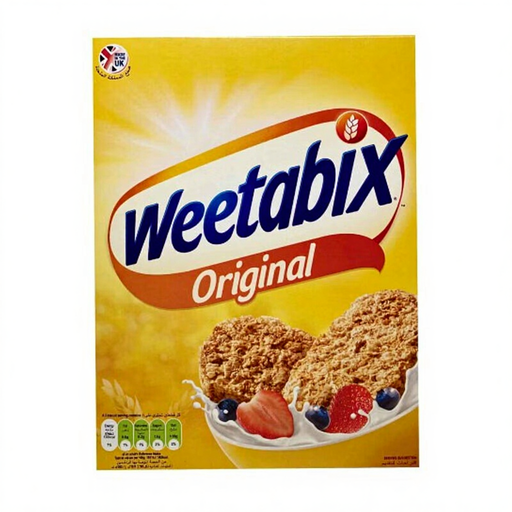
A wholegrain wheat alternative if you’d prefer biscuits to individual cornflakes. Check the sugar and fibre per 100 g, as well as the ingredients and allergen information on the specific pack.
 No image available
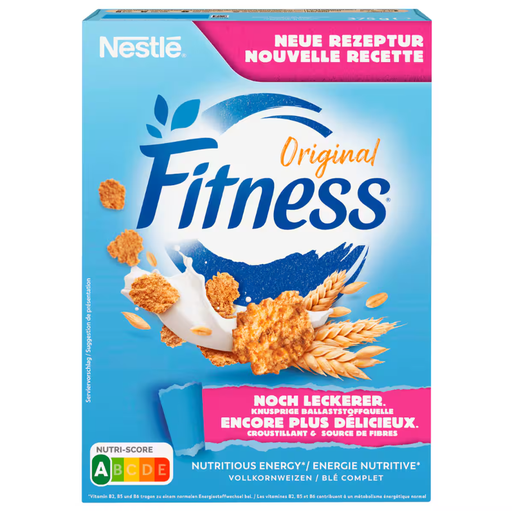
For anyone looking for breakfast flakes with a stated wholegrain content. Check the wholegrain content and sugar level for this Original variety against its current labelling. If you have specific ingredient or allergen requirements, be sure to check the full details on the pack.
 No image available
For anyone who would rather have fine porridge oats than crunchy cornflakes. If fibre is important to your comparison, check the amount per 100 g on the current pack. Also check its ingredients and allergen information.
No. The name “cornflakes” alone doesn’t confirm that they contain wholegrain. The German Nutrition Society recommends looking for an explicit wholegrain claim; check the ingredients for the specific variety.
No. According to the German consumer advice centre, “no added sugar” describes added sweetening ingredients; it doesn’t automatically mean the product has no sugar overall. To compare products, check the “of which sugars” figure per 100 g in the nutritional information.
Check the ingredients list, any highlighted allergenic ingredients and, where applicable, precautionary allergen statements for the specific variety. Lebensmittelklarheit explains that allergens which must be declared also need to be listed in online product information. Precautionary statements refer to possible unintended traces and are not the same as ingredients.
Because the online information may differ from the labelling on the pack you receive. Before eating, check the ingredients, allergens and nutritional information on the pack, especially if these details influenced your choice.