What should you look for when choosing?
First, decide which information is essential to your choice: stated wholegrain content, the amount of carbohydrates you can calculate, or sugar content. Then compare products on the same per-100-g basis and factor in the portion you actually eat.
| Criterion |
What to check |
Who it matters to |
| Wholegrain and the meal |
Check the stated wholegrain content; consider the cornflakes alongside the other ingredients in your meal. |
If I prefer wholegrain, I don’t want to jump to conclusions about how my whole breakfast will affect me. Around 42% of shoppers put this question first when choosing. |
| Carbohydrates in your portion |
Use the carbohydrates per 100 g to calculate the amount in your weighed portion, and include any other ingredients. |
For my insulin therapy, I need to know how many carbohydrates I actually eat, rather than relying on a manufacturer’s suggested portion. Around 33% of shoppers prioritise this. |
| Sugar and proof of wholegrain |
Compare sugar and fibre per 100 g; check the ingredients list separately for wholegrain. |
I want a low sugar content, but I also want to be able to tell whether the product contains stated wholegrain. This is the main concern for around 25% of shoppers. |
Cornflakes and cereals on Joybuy
These products offer different starting points for comparison: classic cornflakes, a FITNESS variety described as wholegrain cereal, and unsweetened cornflakes. Check the wholegrain content on the pack of the FITNESS variety you’re considering; you can’t assume that information from another FITNESS product page applies to it.
 No image available
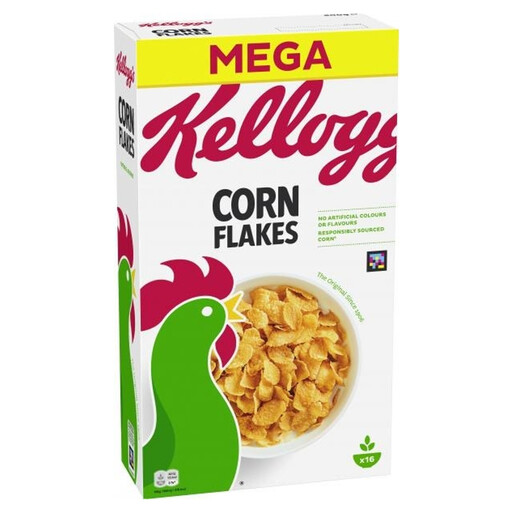
Kellogg’s The Original Corn Flakes, 500 g
For comparing a classic cornflakes recipe when stated wholegrain content isn’t a requirement.
The product description lists maize, barley malt, sugar and salt, along with 84.0 g of carbohydrates and 8.0 g of sugar per 100 g. Check the information on the pack you buy and calculate carbohydrates based on your actual portion.
View on Joybuy
 No image available
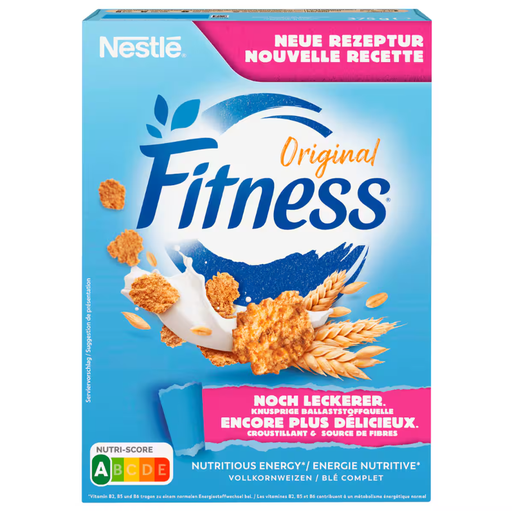
Nestlé Fitness Original Whole Grain Cereal, 375 g
An option to consider if stated wholegrain content matters to you.
The product description lists 72.2 g of carbohydrates and 8.8 g of sugar per 100 g. Check the pack itself for the exact wholegrain content and nutritional values of this variety; don’t assume that the information on Nestlé’s FITNESS product page applies without checking.
View on Joybuy
 No image available
Alnatura Organic Unsweetened Cornflakes, 300 g
For comparing an unsweetened variety if you want to assess sugar and carbohydrates separately.
The product description lists 84.0 g of carbohydrates, 0.5 g of sugar and 3.1 g of fibre per 100 g. This doesn’t confirm any wholegrain content. According to the product description, traces of allergens may be present; check the pack if this is a concern.
View on Joybuy
Frequently asked questions
Are wholegrain cornflakes automatically suitable for people with diabetes?
No. Stated wholegrain content alone doesn’t prove that a product is suitable for you. diabetesDE – German Diabetes Aid gives cornflakes a value of 81 ± 6 in its GI checklist; this figure doesn’t describe every individual variety or your whole meal. So take the nutritional information and your actual portion into account.
Which carbohydrates count in a cornflakes breakfast?
For your calculation, include the amount you actually eat and any other ingredients that contain carbohydrates. For people with insulin-dependent diabetes, diabetesDE – German Diabetes Aid says carbohydrates need to be factored into individual insulin planning; weighing your portion is still important, even when the manufacturer suggests a serving size.
Is “diabetic friendly” enough to help you choose?
No. On its own, the phrase doesn’t reliably tell you whether a particular variety of cornflakes is suitable. Instead, check the ingredients, nutritional information per 100 g, your portion and, if relevant, any allergen information.
How should you store cornflakes after opening?
Follow the storage instructions on the pack you have. For Biozentrale Organic Cornflakes, REWE recommends storing them in a dry place away from heat and resealing the bag after opening.


