Households mindful of fibre
If you regularly use crispbread as a base for bread toppings or snacks, compare the ingredients lists and fibre content per 100 g. A dark colour and visible grains alone don’t tell you how much wholegrain it contains.


When shopping for organic food, plain wholegrain rye crispbread is a good choice if you want a clear wholegrain focus and a short ingredients list. Seeded or spelt varieties offer different flavour profiles, but contain additional ingredients whose allergens you should check. An organic certification logo won’t tell you the wholegrain content, nutritional values or whether a product is right for you.
If you regularly use crispbread as a base for bread toppings or snacks, compare the ingredients lists and fibre content per 100 g. A dark colour and visible grains alone don’t tell you how much wholegrain it contains.
Both the organic certification and the specific recipe matter. An organic logo alone says nothing about the wholegrain content, the length of the ingredients list or allergens.
Check the grains and allergen information for each variety. Spelt is a type of wheat; sesame and warnings about possible traces may also affect your choice.
When buying crispbread from an organic food shop, it’s worth checking the wholegrain base, organic certification and allergens separately. You can then choose according to taste and how you plan to use it.
| What to look for | What to check | Who it matters to |
|---|---|---|
| Wholegrain and fibre | Look for wholegrain cereals in the ingredients list; compare the fibre content per 100 g of similar varieties. | I want to eat crispbread regularly and be able to identify its wholegrain focus from the ingredients, rather than relying on its colour. For around 36% of consumers, wholegrain and fibre are the top priorities. |
| Organic certification and recipe | Check the organic logo and control body details, then read the ingredients list. | When shopping at an organic food shop, I want to know what organic certification is on the pack and what the crispbread is made from. This combination comes first for around 29% of consumers. |
| Grains and allergens | Check the grains, highlighted allergens and any warnings about possible traces on the specific pack. | If certain ingredients aren’t suitable for my household, I need to assess each variety individually. For around 21% of consumers, ingredient and allergen requirements are the most important purchase criterion. |
| Taste and how you’ll use it | Compare plain rye varieties with sesame or other seeded options by checking their ingredients. | Once my other requirements are met, I look for a flavour and crunch that will go well with my toppings. Around 14% of consumers put this preference first. |
Colour and visible grains don’t prove a particular wholegrain content. So if wholegrain and fibre are your main priorities, don’t choose by appearance alone.
Read the ingredients list and, when comparing similar crispbreads, check the fibre content using the same measure, such as per 100 g.
Organic certification doesn’t replace checking the recipe or allergens. The German Food Federation also points out that certain additives are permitted in organic foods.
To check whether a product is organic, look at its certification. For your other requirements, check the ingredients, nutritional information and allergen warnings separately.
Wholegrain and organic don’t mean gluten-free or free from other relevant allergens. For example, the Wasa Wholegrain Rye Crispbread listed by Joybuy contains rye gluten; possible traces of milk and sesame are also mentioned.
Check the information on the specific pack. If you need to avoid gluten, don’t rely on the type of grain or organic label: look for an explicit gluten-free claim.
Moisture can affect crispbread’s crunch. This could make it harder to finish a variety you enjoy as planned.
Follow the instructions on the pack and store opened crispbread in a dry place in a tightly sealed container.
The grains, added ingredients and allergens can vary between varieties from the same brand. So always check the information for the specific crispbread you’re considering.
Wasa offers wholegrain rye and sesame varieties with different recipes.
Alnatura offers organic crispbread made with rye, as well as spelt and seeded varieties.
REWE lists a wholegrain crispbread from its own-label organic range with Naturland certification.
REWE lists Naturata organic wholegrain crispbreads, including Delikatess and sesame varieties.
REWE lists Campo Verde wholegrain crispbread made with spelt, as well as a sesame variety.
This selection features organic crispbread with sesame, spelt or other seeds. If you’re looking for a particularly simple rye recipe, compare these options with the relevant ingredients lists before buying.
 No image available
A seeded option for shoppers looking for sesame crispbread when buying organic. If fibre content is important to your choice, compare the nutritional information per 100 g with other varieties. If you have ingredient requirements, check the specific pack.
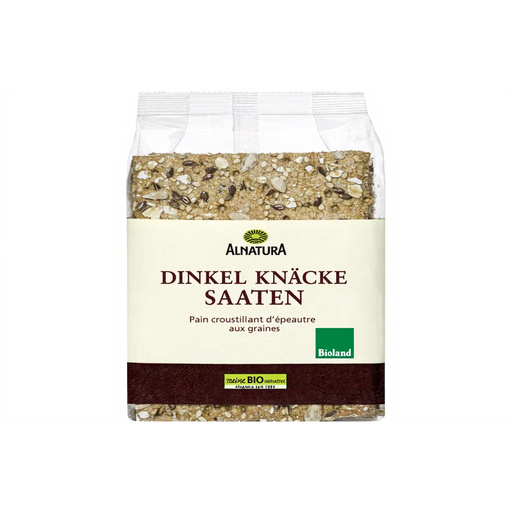 No image available
For shoppers looking for a seeded spelt option rather than plain rye crispbread. Joybuy lists 62% wholegrain spelt flour and meal for this variety. If you have requirements relating to grains or other allergens, check the information on the specific pack.
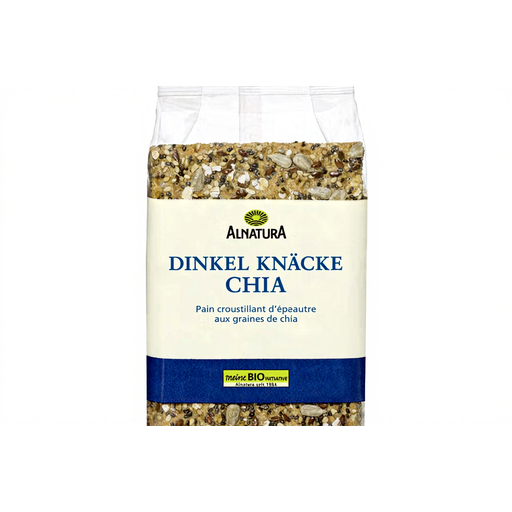 No image available
A spelt option with chia seeds for shoppers who want to compare different seeded recipes. For a fibre comparison, check the nutritional information per 100 g. If you have ingredient or allergen requirements, check the specific pack.
Check the product name and, above all, the ingredients list: for a clear wholegrain focus, wholegrain flour or meal should appear near the top. Colour, visible grains and terms such as ‘multigrain’ are no substitute for checking the recipe.
No. Organic certification doesn’t specify a particular wholegrain content. Compare the grains and nutritional information for each variety; if you have allergies or other ingredient requirements, check the pack as well.
The words rye, spelt or wholegrain don’t mean a product is gluten-free. Joybuy lists rye gluten in a Wasa wholegrain rye crispbread; Alnatura describes spelt as a type of wheat. If you need to avoid gluten, look for an explicit gluten-free claim on the specific pack.
Store crispbread in a dry place and follow the instructions on the pack. For one Wasa product listed by Joybuy, the advice also says to store it away from light and seal it carefully after opening.