A rye crispbread clearly labelled as wholegrain makes a simple base if wholegrain ingredients and a stated fibre content matter for your family meal. Rye and spelt blends or varieties with seeds offer different flavours, but your choice should depend on the ingredients and nutritional information for the specific variety, as well as any potential allergens.
Who should pay attention to their choice?
Households keeping an eye on fibre
If you’re serving crispbread to several people and prioritising wholegrains, you can compare the wholegrain ingredients and fibre per 100 g. Wasa lists 20 g of fibre per 100 g for its wholegrain rye crispbread; this figure applies to that specific variety.
Families with different topping preferences
If you’re planning both savoury and sweet toppings, it’s worth choosing between a plain rye variety and a blend with spelt or seeds. The ingredients affect how much the crispbread’s own flavour comes through.
Households that need to check allergens
Before serving, check the ingredients and may-contain information on the specific pack. Rye and spelt contain gluten; Alnatura also lists possible traces of sesame for its rye and spelt crispbread.
What should you look for when buying?
Start with the type of grain you want, then check that the flavour and ingredients suit everyone at the table. Pack size and storage advice matter most if you expect to have some left after the meal.
| Criteria | What to check | Who is it important for? |
|---|
| Wholegrains and fibre |
Read the wholegrain description and ingredients list; compare fibre per 100 g across similar varieties. |
If wholegrains are a priority for a family meal, I don’t want to rely on a dark colour alone. Around 37% of consumers put this first when choosing. |
| Flavour and toppings |
Choose a plain rye base or a blend with spelt or seeds to suit everyone’s preferences. |
If I want different toppings to work with one type of crispbread, its own flavour matters particularly. This is the main consideration for around 27% of consumers. |
| Allergens and ingredients |
Check the highlighted allergenic ingredients and may-contain information on the specific pack. |
If someone at the table needs to avoid certain ingredients, I check the exact pack we’re using before serving. Around 18% of consumers make this their top priority when choosing. |
| Pack and storage |
Choose a pack size that suits how much you expect to use and follow the storage advice. |
If there’s crispbread left after a family meal, I want to be able to store the opened pack appropriately. This practical need takes priority for around 18% of consumers. |
Common shopping mistakes
-
Assuming a dark colour means wholegrain
A grainy appearance alone doesn’t tell you which cereal ingredients have been used.
Read the product description and ingredients list. To compare similar crispbreads, you can also check the fibre per 100 g.
-
Assuming rye or spelt is gluten-free
Both grains contain gluten. A wholegrain label doesn’t change that.
If you need a gluten-free product, look for an explicit gluten-free label on the specific product and check its ingredients list.
-
Assuming all wholegrain varieties have the same nutritional values
Additional ingredients can significantly change the nutritional values. For example, EDEKA24 lists 19.2 g of fat per 100 g for its organic cheese and pumpkin seed crispbread; this figure applies only to that product.
For the varieties you’re actually considering, compare fat, salt and fibre per 100 g, as well as the ingredients and allergens.
-
Opening a large pack without a storage plan
If crispbread gets damp, it may lose its crunch.
Choose a pack size that suits how much you’ll use and follow the advice to store it in a dry place.
Brands and retailers to consider
Wasa
Wasa’s wholegrain rye is a clearly documented option if you’re looking for a plain rye base.
- For this variety, Wasa lists wholegrain rye flour, yeast and salt as ingredients, and 20 g of fibre per 100 g.
- Rye contains gluten. Check the ingredients and any possible traces for other Wasa varieties separately.
EDEKA Bio
EDEKA24 stocks organic wholegrain rye crispbread in a 250-g pack.
- For this product, EDEKA24 lists 1.3 g of fat and 1.3 g of salt per 100 g, among other values.
- When checking wholegrain ingredients, fibre and allergens, always refer to the labelling on the current pack.
Alnatura
Alnatura offers crispbreads made with rye, as well as a rye and spelt blend, with product information available.
- For its rye and spelt crispbread, Alnatura lists wholegrain rye flour, wholegrain spelt flour and spelt flakes.
- Rye and spelt contain gluten; Alnatura notes possible traces of sesame for this blend.
REWE
Here, REWE is a retailer where you can compare different crispbread brands, not a claim about its own wholegrain recipe.
- The REWE range includes Wasa wholegrain rye and other types of crispbread.
- Availability depends on the location; wholegrain claims apply only to the specific product.
Crispbread to suit different preferences
This Joybuy selection includes a plain rye variety and crispbreads with different grains or seeds for family meals. Check the wholegrain information particularly carefully for blends, and check the current allergen labelling for every variety.
 Image unavailable
Wasa Wholegrain Rye Crispbread, 260 g
A plain rye base for when you’re planning a range of toppings and wholegrains are a priority.
Wasa lists 20 g of fibre per 100 g for this variety. Rye contains gluten; if you need to avoid other ingredients, check the current pack.
View at Joybuy
 Image unavailable
Alnatura Organic Sesame Crispbread, 250 g
A sesame variety for families looking for a different flavour alongside plain rye crispbread.
If you have a sesame allergy or need to avoid gluten, check the labelling on the specific pack.
View at Joybuy
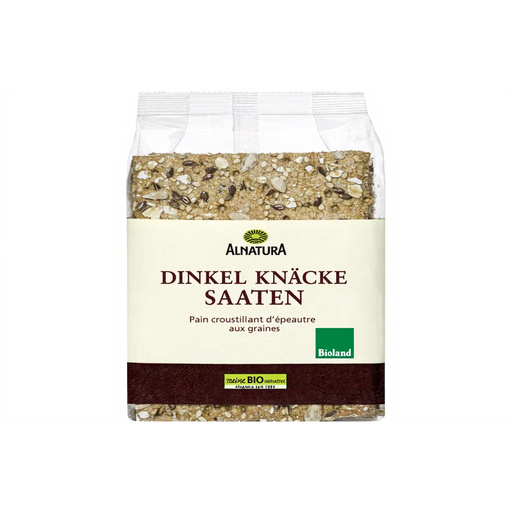 Image unavailable
Alnatura Organic Spelt Crispbread with Seeds, 200 g
A spelt and seed variety for family meals when you’d like crispbread with its own distinctive grain flavour.
Spelt contains gluten. Before serving, anyone with allergies should check the ingredients and allergen information on the current pack.
View at Joybuy
 Image unavailable
Wasa Delicate Crisp Oats and Sesame, 230 g
A grain and sesame blend for the table when not everyone wants the same rye crispbread.
For a like-for-like wholegrain comparison, check the product description and ingredients on the pack. Sesame and gluten-containing grains are also worth considering when choosing.
View at Joybuy
 Image unavailable
Wasa Sesame and Linseed Crispbread, 210 g
A seed-based option for families considering an alternative to plain rye crispbread.
If you need to avoid sesame, check the ingredients and may-contain information on the current pack before serving. For a fibre comparison, refer to its nutritional information.
View at Joybuy
Questions about family meals
How can I identify wholegrain crispbread when shopping?
Check the product description and wholegrain ingredients rather than relying on the colour or picture of grains alone. When comparing similar varieties, also compare the stated fibre per 100 g.
Is wholegrain rye crispbread gluten-free?
No, rye contains gluten. If you need a gluten-free product, look for an explicit label on the specific product and read its ingredients list.
What should I look for if someone has a sesame allergy?
Check both the highlighted ingredients and any may-contain information on the pack you’re using. The German Food Federation explains that may-contain statements are voluntary and flag possible unintentional traces; Alnatura lists possible traces of sesame for its rye and spelt crispbread.
How should I store opened crispbread?
Follow the storage advice on the specific pack and keep opened crispbread dry and tightly sealed. For the Wasa rye varieties listed, REWE recommends storing them in a dry place, away from light.


