For a packed holiday lunch, plain wholegrain rye crispbread is worth considering if you’re looking for a straightforward wholegrain base and a clear fibre figure. If you’d prefer seeds and a different texture, compare the relevant varieties. Whatever you choose, check that the ingredients, allergens and information on the actual pack are right for your family.
Who might find this guide useful?
Families looking at fibre content
For several holiday lunches, they’re looking for a wholegrain base with a clearly stated grain and comparable nutritional information. Wasa states that its wholegrain rye variety contains 20 g of fibre per 100 g; for other varieties, check the information on the relevant pack.
Households managing allergens
If rye, wheat, sesame or possible traces affect your choice, check that the ingredients list and allergen information match the specific variety. This also applies when packing food to take to holiday childcare.
Households planning their supplies
If you’re buying crispbread for several days of the holidays, consider the pack size, whether your preferred variety is available and the storage instructions. The Consumer Advice Centre recommends protecting crispbread from moisture.
What should you look for when buying?
Start by checking the grain, ingredients and allergens. Then compare the nutritional information per 100 g, as well as the texture and pack size, across the varieties that are suitable for your family.
| Criteria | What to check | Who it matters to |
|---|
| Wholegrain and fibre |
Compare the grain, ingredients list and fibre per 100 g. |
If fibre content is a deciding factor for my holiday lunch, I want to consider the wholegrain content and nutrition table together. Around 36% of consumers prioritise this. |
| Ingredients and allergens |
Check the specific pack for gluten-containing grains, sesame and relevant ‘may contain’ warnings. |
If my crispbread needs to meet specific allergy requirements, I don’t want to rely on the variety name alone; around 29% of consumers prioritise this check. |
| Toppings and taste |
Choose between a plain rye base and varieties with seeds, depending on your preferred flavour and texture. |
For a range of toppings, I’m looking for a variety whose flavour and crunch go down well at home. This is the top priority for around 21% of consumers. |
| Stock and availability |
Check the pack size, local range and instructions for dry storage. |
If I’m shopping for several days of the holidays, I need a suitable pack that can be stored somewhere dry. Planning supplies is the main concern for around 14% of consumers. |
Common mistakes when choosing
-
Assuming ‘wholegrain’ means ‘gluten-free’
Wholegrain describes the use of the entire grain; it doesn’t mean that a product is gluten-free. The rye and wheat varieties mentioned here are not gluten-free alternatives.
If you need a gluten-free diet, check for an explicit gluten-free label and read the ingredients on the specific pack.
-
Assuming seeded and rye varieties have the same nutritional profile
Recipes vary. REWE states that its Bio Naturland Vollkorn Knusperknäcke with seeds contains 19.5 g of fat per 100 g, while Wasa states that its wholegrain rye variety contains 2.0 g of fat per 100 g. These figures alone don’t tell you how the meal as a whole measures up.
Compare the nutrition information per 100 g and the ingredients, rather than relying on the word ‘wholegrain’ alone.
-
Assuming supermarket own-brand information never changes
ALDI SÜD notes that GOLDÄHREN Vollkorn-Knäckebrot may come from different suppliers and that the nutritional information can vary. EDEKA also points out that information may differ between stores and product packs.
Check the information on the pack every time you shop, and confirm that your preferred variety is stocked locally.
-
Storing crispbread somewhere damp
Moisture affects crispness. The Consumer Advice Centre recommends not storing crispbread with other bread.
Keep an opened pack somewhere dry and seal it well.
Brands and product ranges to consider
Wasa
Wasa wholegrain rye is a wholegrain rye option for households looking for a short ingredients list and a stated fibre figure.
- For this variety, Wasa lists wholegrain rye flour, yeast and salt, and states that it contains 20 g of fibre per 100 g.
- This variety contains gluten-containing rye; if you have allergy requirements, check the information on the pack.
REWE Bio
REWE Bio Naturland Vollkorn Knusperknäcke is a wholegrain wheat variety with sunflower seeds, linseeds and sesame.
- REWE states that it contains 11.4 g of fibre and 15.3 g of protein per 100 g.
- This variety contains wheat and sesame; according to the product information, it may also contain traces of soya and milk. The stated fat content is 19.5 g per 100 g.
EDEKA GUT&GÜNSTIG
The wholegrain crispbread in this range is an option made predominantly with wholegrain rye.
- EDEKA lists 95% wholegrain rye flour in the ingredients.
- The product contains rye and carries additional ‘may contain’ warnings. The range and pack information may vary by store.
GOLDÄHREN / ALDI SÜD
GOLDÄHREN wholegrain crispbread is another wholegrain option for keeping a regular supply in stock.
- For the variety described, ALDI SÜD states that it contains 15.3 g of fibre and 12 g of protein per 100 g.
- ALDI SÜD notes that the product may come from different suppliers. Check the nutritional information and ingredients on the pack you buy.
Crispbread at Joybuy
This selection includes rye crispbread and varieties with oats, sesame or other seeds that could work as a base for a packed holiday lunch. Check the information on the specific pack, especially if fibre content or allergens are important to your choice.
 No image available
Wasa Delicate Crisp Oats & Sesame Crispbread, 230 g
An option for packed holiday lunches if oats and sesame suit your needs. If you need to check rye, wheat, oats, sesame or milk, read the ingredients and allergen information on the pack.
View at Joybuy
 No image available
Wasa Whole Grain Rye Crispbread, 260 g
Wholegrain rye crispbread for households looking for a plain base for toppings. Wasa states that its wholegrain rye variety contains 20 g of fibre per 100 g; check the information and any ‘may contain’ warnings on the specific pack. Rye contains gluten.
View at Joybuy
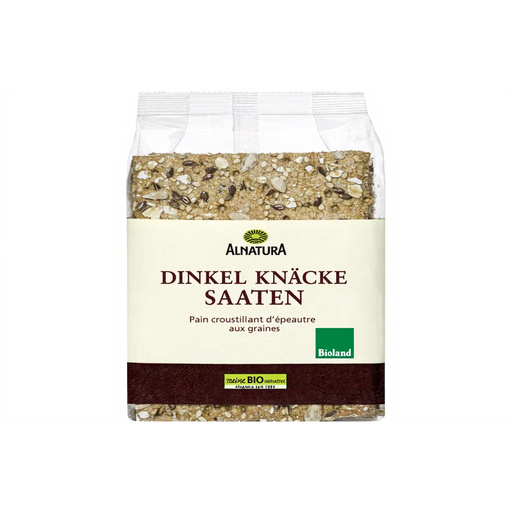 No image available
Alnatura Organic Spelt Crispbread with Seeds, 200 g
A spelt variety with seeds for families considering a different recipe alongside rye crispbread. If you have allergies, carefully check the ingredients list and allergen information on the specific pack.
View at Joybuy
 No image available
Wasa Sesame & Flaxseed Crispbread, 210 g
A sesame and linseed variety for topped lunches. If a particular fibre figure matters to you, compare the nutrition information per 100 g on the pack, and check the allergen information too.
View at Joybuy
 No image available
Wasa Sourdough Rye Crispbread, 235 g
Rye crispbread made with sourdough for households comparing another rye option for toppings. Bear in mind that it contains a gluten-containing grain, and if you have allergies, check the allergen information on the specific pack. Check the pack for the fibre content too, if you need to meet a particular figure.
View at Joybuy
Frequently asked questions
Is wholegrain crispbread automatically gluten-free?
No. The rye varieties mentioned contain gluten-containing rye; REWE Bio Naturland Vollkorn Knusperknäcke contains wholegrain wheat flour. If you need a gluten-free diet, look for an explicit gluten-free label on the specific pack.
Is crispbread enough on its own for a holiday lunch?
Crispbread can be used as the base for a topped lunch, but it doesn’t tell you anything about the overall make-up of the meal on its own. Choose toppings and other foods to suit the meal you have planned.
How can you keep crispbread crunchy after opening?
Protect it from moisture and keep the opened pack somewhere dry and well sealed. The Consumer Advice Centre also recommends not storing crispbread with other bread.
What should you know about allergens for holiday childcare?
If you’re sending in individually packed crispbread, check the ingredients and allergen information on the pack against the childcare provider’s requirements. If a school kitchen or caterer provides the food, the 14 main allergens in meals must be declared, according to the Consumer Advice Centre.


