Households keeping an eye on fibre
If you’re planning to serve crispbread with meat patties, compare the stated wholegrain content and fibre per 100 g rather than choosing by colour alone.


Plain wholegrain rye crispbread is an obvious choice to serve with meat patties if you want to check the wholegrain content and fibre information. Compare the salt per 100 g, too, and consider how much you plan to eat. If you have an intolerance or allergy, always check the ingredients and may-contain information on the specific pack.
If you’re planning to serve crispbread with meat patties, compare the stated wholegrain content and fibre per 100 g rather than choosing by colour alone.
If your meat patties, sauce or other sides are already well seasoned, consider both the salt per 100 g in the crispbread and how much you’ll put on your plate.
Wholegrain rye crispbread contains gluten. Depending on the product, information about possible traces of sesame or milk may also be relevant. Always check the labelling on the pack you choose.
Start by checking the ingredients and nutritional information. Then decide how important salt, flavour, ingredients and allergen information are for your meat-patty meal.
| Criteria | What to check | Who it matters most to |
|---|---|---|
| Wholegrain and fibre | Compare the wholegrain cereals listed in the ingredients and, where stated, their proportions, as well as the fibre per 100 g. | I want a side whose wholegrain ingredients and fibre content I can assess from the pack. This is the main consideration for around 36% of consumers. |
| Salt in the meal | Consider the salt per 100 g and how many slices you plan to eat alongside your other sides. | If the meat patties and sauce are already well seasoned, I don’t want to judge the crispbread in isolation. This is the top priority for around 29% of consumers. |
| Flavour as a side | Check the grain and other ingredients that affect the flavour, such as sesame, for the specific variety. | I want the crispbread to go with my meat patties without needing elaborate toppings; a strong rye flavour is a matter of taste. Around 21% of consumers put this first. |
| Allergens and storage | Read the ingredients and may-contain information on the pack, and consider whether you can store it somewhere dry. | If I need to avoid certain ingredients, checking the specific pack matters more than a general wholegrain description. This is the main concern for around 14% of consumers. |
Colour doesn’t tell you how much wholegrain cereal a variety contains. A specific ingredients list and the fibre per 100 g are more helpful when comparing products.
If wholegrain is your reason for buying, compare the ingredients and nutritional information for at least two varieties.
Meat patties and other sides also contribute to the salt content of your meal. The German Nutrition Society identifies bread and meat and sausage products as relevant categories when comparing salt.
Check the salt per 100 g and take into account how much crispbread you actually plan to eat.
Rye contains gluten. Some crispbreads may also carry warnings about possible traces of other ingredients, such as sesame or milk.
If you need to avoid certain ingredients, check the labelling on each specific pack rather than relying on the brand or category name.
Crispbread should be kept dry. Wasa recommends sealing the pack of its wholegrain crispbread tightly after opening; Naturata advises against storing its crispbread with fresh bread.
Make sure you have a dry place to store it, and seal an opened pack tightly.
Wholegrain Rye is an example of wholegrain rye crispbread with a short ingredients list.
The wholegrain rye crispbread described by EDEKA24 states its wholegrain content in the ingredients list.
The Delikatess Wholegrain Crispbread described by REWE contains wholegrain rye flour and sea salt.
On its UK manufacturer website, Ryvita describes Original Crispbread as rye crispbread.
These crispbreads could all work as a side with meat patties, but they differ in their grains and other ingredients. Not all the varieties below are made solely with wholegrain rye, so compare each pack with your buying criteria.
 Image unavailable
This wholegrain rye variety is worth considering if you want to compare the stated fibre content of a crispbread side.
Wasa lists 20 g of fibre per 100 g. Rye contains gluten, and the pack notes possible traces of milk and sesame. Check the salt content on the specific pack.
 Image unavailable
If you’re considering a side with oats and sesame instead of plain rye, compare this variety with the ingredients you prefer.
Oats and sesame are included in the product name. Check the wholegrain content, nutritional information and any other allergen warnings on the pack before comparing.
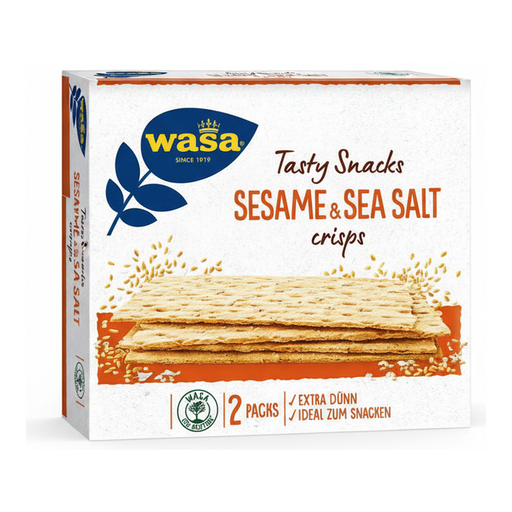 Image unavailable
This variety is an option if you’re specifically looking for crispbread with sesame and sea salt to serve with meat patties.
Sesame and sea salt are part of this variety. If wholegrain content and salt are key to your choice, compare the ingredients list and figures per 100 g on the pack.
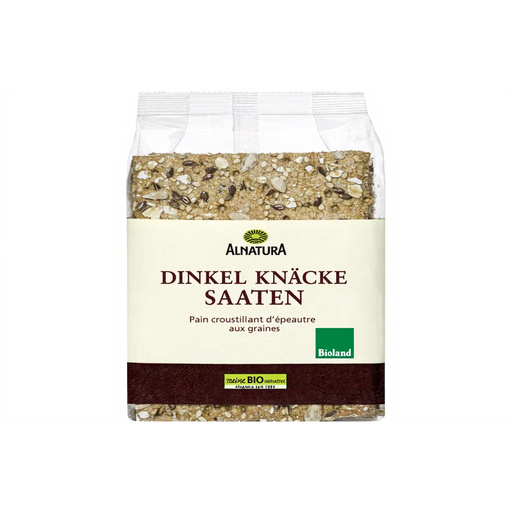 Image unavailable
If you’re considering spelt with seeds rather than rye as a side, you could include this variety in your comparison.
Check the wholegrain and nutritional information on the pack before deciding. Read the full ingredients and allergen labelling carefully, especially if you need to avoid certain ingredients.
 Image unavailable
This is another rye option if you’re considering sourdough crispbread to serve with meat patties.
Rye contains gluten. If the exact fibre content is a deciding factor, compare the figure per 100 g on the pack and check for any other allergen information there, too.
No. To compare products, you should also check the ingredients list and fibre per 100 g. For example, EDEKA24 lists 94% wholegrain rye flour for EDEKA Bio Wholegrain Rye, while Wasa states that its Wholegrain Rye contains 20 g of fibre per 100 g.
Compare the salt per 100 g and take into account your planned portion and the other sides. The German Nutrition Society identifies bread and meat products as relevant categories for salt intake. Check the value on the pack you’re buying rather than relying on information for other varieties.
No, rye contains gluten. If you need to avoid gluten, the word “wholegrain” isn’t enough: check the ingredients and labelling of a specific alternative against your individual requirements.
Keep it dry and seal the opened pack tightly. Wasa recommends this for its wholegrain crispbread; Naturata also advises against storing its Delikatess variety with fresh bread.