What should you look for when choosing?
First decide whether you’ll soak the muesli or add liquid just before eating. You can then compare the recipe, nutritional information and allergens to find the right option for how you plan to enjoy it.
| What matters to you |
What to check when buying |
Who it matters to most |
| Preparing and taking it with you |
Is the mix suitable for soaking, or for eating straight away with milk or yoghurt? Do you have a tightly sealed container and, if needed, somewhere to keep it chilled? |
When there’s no time to mix breakfast in the morning, I want to prepare a portion the night before and take it with me safely. Around 37% of consumers are likely to see an easy morning routine as their top priority. |
| Wholegrain, sugar and ingredients |
Compare the stated wholegrain content, the order of ingredients and sugar per 100 g for the specific variety. |
When choosing a wholegrain mix, I want to decide how fruity or sweet my portion is. Around 27% of consumers are likely to put control over ingredients and sugar first. |
| Allergens and dietary requirements |
Read the ingredients, highlighted allergens, ‘may contain’ warnings and, where relevant, the statement about whether the recipe is vegan on the pack. |
If I need to avoid certain ingredients, the words ‘wholegrain muesli’ aren’t enough to help me decide. This check is likely to be a priority for around 18% of consumers. |
| Texture and taste |
Choose flakes, dried fruit and crunchy pieces to suit how you plan to prepare it; crunchy pieces will soften if left to soak for a long time. |
I want to choose whether my breakfast is soft from soaking, fruity or crunchy when I eat it. This preference is likely to be the top selection criterion for around 18% of consumers. |
Joybuy products for these types of breakfast
This selection includes crunchy and fruit mueslis for a portion put together just before eating, as well as oats to use as a base when preparing your own. You’ll need to pack your portion suitably if you’re taking it with you.
 No image available
Jeden Tag Less Sweet Crunchy Oat Muesli, 750 g
A crunchy mix for adding milk or yoghurt to your portion just before eating.
If you want to leave it to soak for longer, expect a softer texture. Check the ingredients and sugar information on the pack when making your choice.
View at Joybuy
 No image available
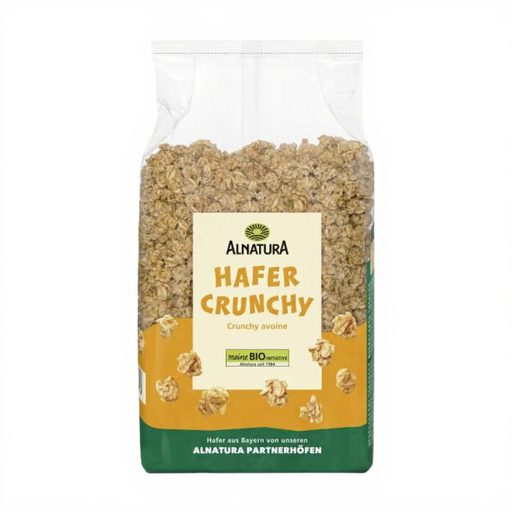
Alnatura Organic Oat Crunchy Muesli, 750 g
This crunchy oat muesli is a good fit for a portion you make with milk, yoghurt or a plant-based drink just before eating.
Its crunchy texture is less suited to soaking for longer. Check the ingredients and allergen information on the pack.
View at Joybuy
 No image available
Kölln 50% Fruit Muesli No Added Sugar, 500 g
A fruit muesli option if you’d like dried fruit already in the mix rather than adding it yourself.
The words ‘No Added Sugar’ in the name don’t mean ‘sugar-free’. Compare the sugar value per 100 g and check the ingredients and allergens on the pack.
View at Joybuy
 No image available
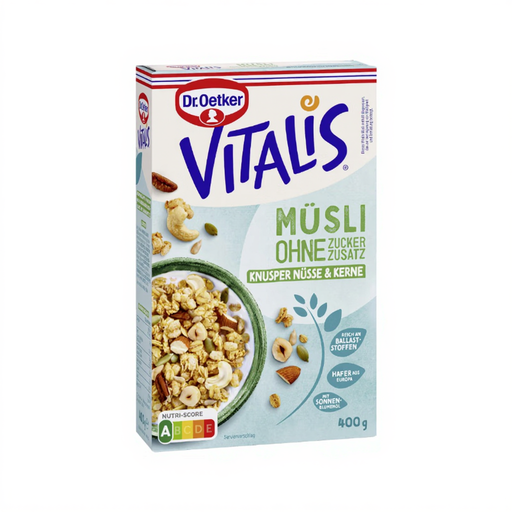
Dr. Oetker Vitalis No Added Sugar Crunchy Nut Muesli, 400 g
This crunchy variety may suit you if you want to eat your muesli with milk or yoghurt straight away and have nuts in the mix.
If you have a nut allergy, the information on the specific pack is essential. Also check the ingredients if the type of sweetening matters to you.
View at Joybuy
 No image available
Alnatura Organic Fine Oat Flakes, 500 g
A single-flake ingredient to use as a base when putting together and preparing your own breakfast portion.
This isn’t a ready-made muesli mix: you’ll need to add the liquid and any extras you’d like yourself.
View at Joybuy
Frequently asked questions
Is every wholegrain muesli suitable for breakfast on the go?
Not without suitable preparation and packaging. For a portion that’s been left to soak, Alnatura recommends leaving flakes in liquid in the fridge for at least two to three hours, or preferably overnight. You’ll need a tightly sealed container and, if necessary, a way to keep it chilled.
Does ‘no added sugar’ also mean ‘low in sugar’?
No. A fruit muesli can contain no added sugar and still contain sugar from dried fruit. Compare the sugar value per 100 g and read the ingredients list for the specific variety.
How can I tell which ingredient makes up the largest proportion?
The ingredients list shows ingredients in descending order by weight, as explained by the German Food Association. This means the first ingredient listed makes up the largest proportion of the recipe by weight.
Do I need to check the allergens in wholegrain muesli individually?
Yes, if certain ingredients matter to your choice. The German Food Association explains that allergens which must be declared are highlighted in the ingredients list; also check any ‘may contain’ warnings on the specific pack.
Will crunchy muesli stay crunchy if left in liquid overnight?
Crunchy pieces soften when left to soak for a long time. If you want to eat a soaked portion with crunchy ingredients in the morning, prepare a flake base and add the crunchy pieces just before eating.


