What should you look for when buying?
When choosing muesli for a toddler, first check the size of the pieces and how it is prepared. Then look at the ingredients and sugar information, as well as the grains and allergens where relevant.
| What to check |
What to look for |
Who should take note? |
| Suitable texture |
Check for whole or chopped nuts and other small, hard ingredients; choose a prepared texture that suits your child. |
If my child cannot yet safely chew pieces, I want to avoid hard ingredients at breakfast. For around 40% of consumers, texture is the top priority. |
| Ingredients and sugar |
Read the ingredients list and the ‘of which sugars’ figure per 100 g, even when the pack says ‘no added sugar’. |
I want to choose the ingredients for breakfast myself and not infer the sugar content from the front of the pack. Around 30% of consumers make this their main priority. |
| Wholegrain and allergens |
Check the ingredients list for wholegrain ingredients and types of grain; if gluten needs to be avoided, check whether the specific pack is suitable. |
If I want to choose wholegrain while also avoiding a particular grain or an allergen, I need accurate ingredient information. This is the most important buying consideration for around 30% of consumers. |
Breakfast products at Joybuy
This selection includes cereal porridge, individual flakes and a ready-made crunchy muesli. For a toddler’s breakfast, check the prepared texture of every product; flakes and porridge are not ready-made muesli.
 No image available
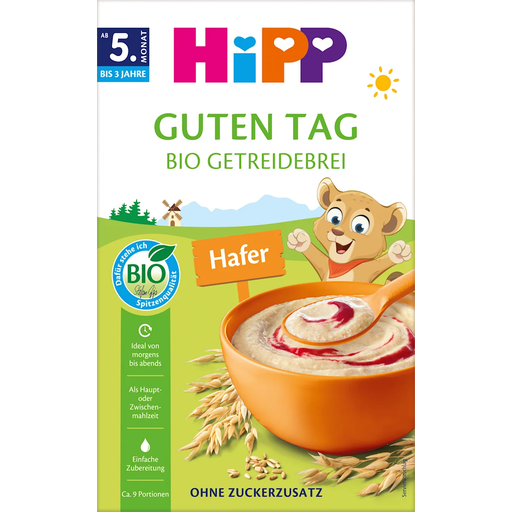
HiPP Organic 100% Oat Cereal Porridge, from 5 months, 7 × 200 g
Oat porridge may be an option if you want to serve breakfast as porridge. Check that the prepared texture is right for your child. The product is labelled ‘from 5 months’, but this does not replace checking whether it is suitable for your individual child.
View at Joybuy
 No image available
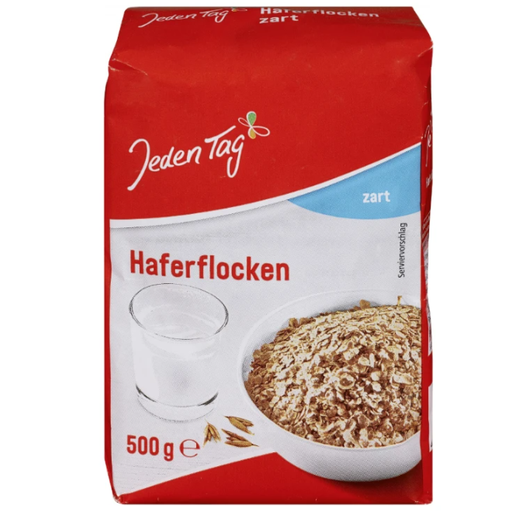
Jeden Tag Fine Oat Flakes, 500 g
These oats give you flexibility when putting together a breakfast yourself. Before buying, check the product’s actual form: the name says fine flakes, while the description refers to oat flour. Assess the texture after preparation.
View at Joybuy
 No image available
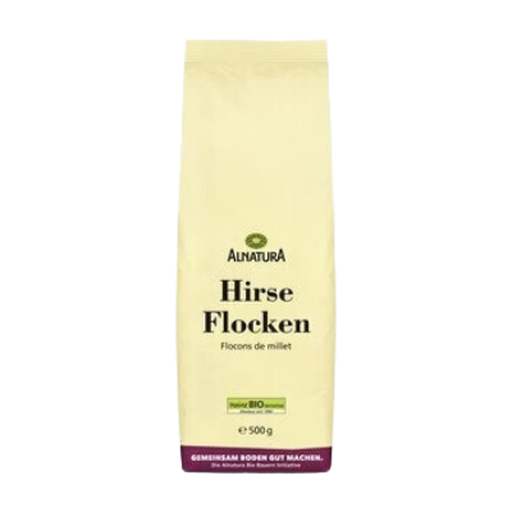
Alnatura Organic Millet Flakes, 500 g
Millet flakes are another base for a homemade breakfast. For a toddler, what matters is how the 500 g pack can be served after preparation; check the size of the flakes and the resulting texture.
View at Joybuy
 No image available
Kölln Coarse Oat Flakes, 500 g
If you’re looking for oats to prepare breakfast yourself, pay particular attention to the texture of this coarse variety. Check whether the flakes are suitable for your child’s ability to chew and eat once prepared.
View at Joybuy
 No image available
Jeden Tag Less Sweet Crunchy Oat Muesli, 750 g
With this ready-made crunchy muesli, the size of the pieces is especially important for a toddler’s breakfast. Check the texture, ingredients and allergens on the specific pack. The ‘Less Sweet’ variety name is no substitute for checking the ‘of which sugars’ figure per 100 g.
View at Joybuy
Frequently asked questions
Can toddlers eat wholegrain muesli?
Wholegrain can be part of a toddler’s breakfast if the ingredients and texture are right for your child. The Gesund ins Leben network includes wholegrain in its dietary recommendations for toddlers, but that does not automatically make a coarse mix with hard pieces suitable.
What should I look out for when muesli contains nuts?
Whole or chopped nuts are not suitable for toddlers because of the risk of choking. The Gesund ins Leben network suggests nut butter or finely ground nuts in a suitable, non-dry food as alternatives. Also check for flaked almonds and other hard pieces in ready-made mixes.
Does ‘no added sugar’ also mean low in sugar?
No. The claim does not describe the total sugar content. For every variety, also check the ‘of which sugars’ figure per 100 g and the ingredients list, particularly if it contains dried fruit.
How can I identify ingredients that contain gluten?
Check the ingredients list for the specific grains used and read the allergen labelling. Lebensmittelklarheit explains how gluten-containing cereals are labelled. If a gluten-free diet is medically necessary, the suitability of each specific pack must be assessed separately.
How should I store opened muesli?
Follow the storage instructions on the pack you have bought. For the Rinatura Organic Base Muesli described by REWE, the advice is to store it in a dry place and seal it well after opening.


