Parents looking to limit added sugar
You’re looking for a wholegrain mix for your toddler’s breakfast and don’t want to judge sugar, syrup or chocolate solely by claims such as ‘less sugar’.


When choosing breakfast for a toddler, it’s not just the wholegrain content that matters. Choose a mix with pieces your child can eat safely, and check the sugar information, ingredients and allergens on the pack. A finely textured wholegrain fruit muesli may be just the consistency you’re looking for; with chunky basic muesli and crunchy granola, whole nuts and hard pieces need particular attention. And ‘no added sugar’ doesn’t necessarily mean a fruit muesli is low in sugar.
You’re looking for a wholegrain mix for your toddler’s breakfast and don’t want to judge sugar, syrup or chocolate solely by claims such as ‘less sugar’.
The actual size of the pieces is crucial. Whole nuts are not suitable for toddlers because of the choking risk; hard seeds and large crunchy pieces also need careful checking.
Check the declared allergenic ingredients on every pack, as well as any ‘may contain’ warnings where relevant. Depending on the recipe, these may include cereals containing gluten, nuts or milk.
First, check the size and texture of the pieces against your child’s chewing ability. Then compare the nutritional information and ingredients for the specific mix, rather than relying on wholegrain or sugar claims on the front of the pack.
| Criteria | What to check | Who should pay particular attention |
|---|---|---|
| Piece size | Look out for whole nuts, hard seeds and large crunchy pieces; inspect the mix before serving. | If my child is still learning to chew confidently, I need to know whether they can eat the pieces safely. This is the top priority for around 31% of consumers. |
| Sugar | Compare sugar per 100 g and check the ingredients list for syrup, chocolate and dried fruit, among other things. | For everyday breakfasts, I want to limit added sweetness without overlooking the sugar from fruit. This is the main concern for around 25% of consumers. |
| Wholegrain and ingredients | Check the stated wholegrain content and the other ingredients in the mix. | I’m looking for a cereal base with other ingredients that suit our breakfast. Around 25% of consumers prioritise this kind of composition. |
| Allergens | Check the allergenic ingredients and any ‘may contain’ warnings on the current pack. | If we need to avoid an ingredient, I need reliable information for the exact pack I’m buying. This check takes priority for around 19% of consumers. |
A relative reduction in sugar is a comparison, not an indication of piece size or total sugar content. REWE lists 8 g of sugar per 100 g for Kölln Crunchy Oat Muesli ‘50% less sugar’.
Also check the nutritional information and ingredients list. Regardless of any sugar claim, check crunchy muesli for hard pieces.
Even a muesli that is mainly wholegrain may contain seeds or nuts. According to kindergesundheit-info.de, whole nuts are not suitable for toddlers because of the choking risk.
Check the ingredients and piece size. If your child is still learning to chew confidently, a finer mix with pieces they can manage may be a better option.
Dried fruit contributes to the total sugar content. The REWE product page lists 22 g of sugar per 100 g for Kölln Fruit Muesli with no added sugar.
Always compare the sugar per 100 g in fruit mueslis. A plain flake base lets you choose what else to add.
Cereals and other ingredients vary between mixes; ‘may contain’ warnings can also be important when choosing a product for your family.
Read the label on the pack you’re actually buying. If your child needs to follow a medically prescribed diet, make your choice in line with that guidance.
The range includes mueslis specifically labelled as children’s products.
Kölln offers both wholegrain base muesli and fruit and crunchy muesli.
Seitenbacher offers a low-sugar muesli and a separate product marketed as children’s muesli.
REWE offers its own muesli and crunchy products, as well as products from other brands.
EDEKA sells base muesli and crunchy muesli under its own brands.
Brüggen makes mueslis for retailer brands, among other products.
This selection includes wholegrain flakes to use as a base and mix as you like, an oat porridge to prepare, and a children’s fruit muesli. Porridge and individual flakes aren’t ready-made granola; whichever you choose, the consistency and information on the pack matter for your child.
 No image available
An oat flake base for families who want to put breakfast together themselves rather than choose a ready-made granola mix.
Check that the prepared flakes have a consistency that suits your child’s chewing ability.
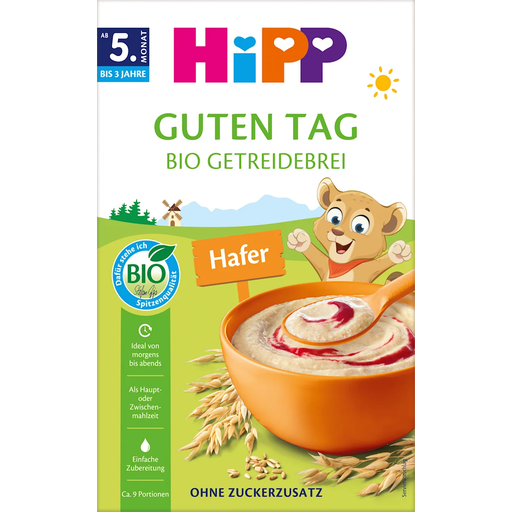 No image available
An oat porridge option if you’re looking for a porridge rather than a chunky muesli mix.
The age guidance in the product name is no substitute for checking the preparation instructions and allergen information on the pack.
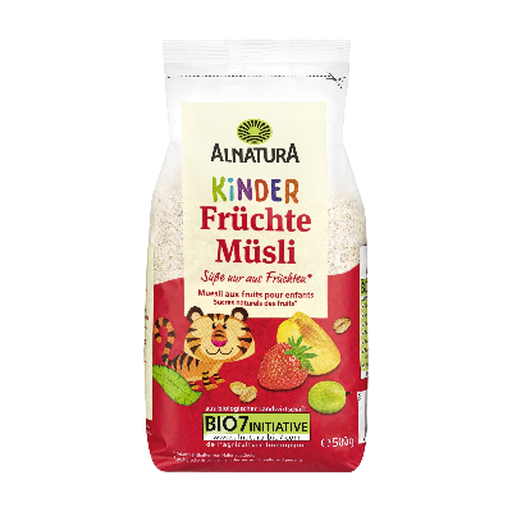 No image available
A ready-made fruit muesli mix for families specifically looking for a children’s product with wholegrain flakes.
Alnatura describes it as containing fine wholegrain flakes and finely ground pieces of fruit. Even so, check the actual mix, sugar per 100 g and allergens on the pack.
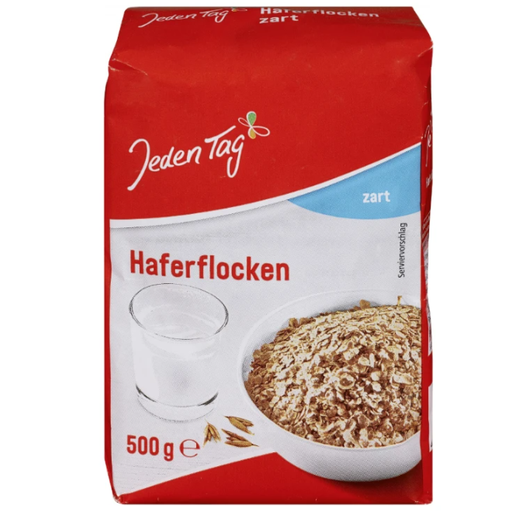 No image available
These individually sold oat flakes may suit you if you want to choose the other ingredients for breakfast yourself.
Check the product form on the pack and the consistency after preparation; the name alone doesn’t tell you what size the pieces will be when served.
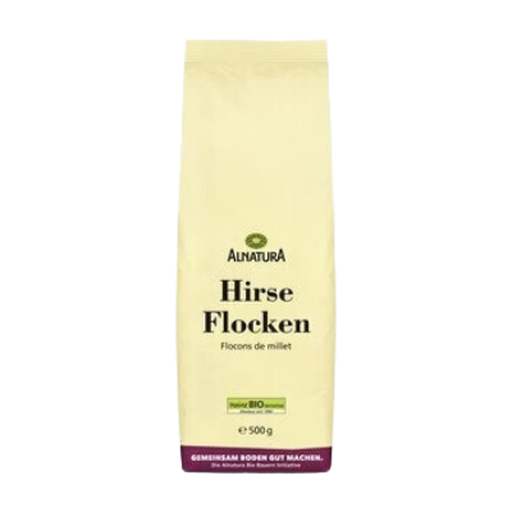 No image available
A millet flake base for putting together your own breakfast, rather than a ready-made muesli or granola.
Follow the preparation and allergen information on the pack, and check the consistency before serving.
No. Whole nuts are not suitable for toddlers because of the choking risk, as explained by kindergesundheit-info.de. Also check seeds and hard crunchy pieces in muesli to make sure your child can eat them safely.
Not necessarily: dried fruit and cereals can contribute to the stated sugar content. For example, the REWE product page lists 22 g of sugar per 100 g for Kölln Fruit Muesli with no added sugar, so compare the nutritional information.
No. Cereals containing gluten aren’t generally off-limits for toddlers. If your child needs a gluten-free diet or must avoid specific allergens, check the information for the particular product and follow their individual medical advice.
Check the current pack when making decisions about ingredients, allergens and nutritional values. This also lets you confirm the information that applies to the exact mix you’ve bought, even if you’re familiar with the product.