What should you look for when buying?
When choosing wholegrain cereals for toddlers, start by checking the ingredients and sugar per 100 g, then look at piece size and allergens. Whether the product is practical to prepare as part of family life is a separate consideration.
| What matters |
What to check |
Who it matters to |
| Wholegrain and sugar |
Check the wholegrain and sweetening ingredients; compare the sugar content of similar products per 100 g. |
If I’m looking for a wholegrain base for regular breakfasts, I don’t want to choose a heavily sweetened cereal based on its wholegrain claim alone. This is a priority for around 42% of consumers. |
| Texture and allergens |
Look out for whole nuts and larger hard pieces; if there’s an allergy or intolerance, check the ingredients and, where applicable, precautionary allergen information. |
If my child is still learning to chew confidently or has a diagnosed intolerance, I need to carefully assess the specific pack and how the cereal is served. Around 33% of consumers put this check first. |
| Practicality |
Choose a type of flake that’s suitable for your child and check the current pack before preparing it. |
In the morning, I want to be able to prepare a simple cereal base that my child will eat at a suitable texture. This practical consideration is a priority for around 25% of consumers. |
Brands as product examples
These examples show why your choice depends on the individual product: you can’t tell its wholegrain content, sugar level or texture from the brand name alone.
Seitenbacher
The range includes various mueslis and flake mixes. For this buying decision, the ingredients list for a specific muesli is particularly useful.
- For Spezial-Müsli 2, Seitenbacher lists wholegrain oat, wholegrain wheat and wholegrain spelt flakes, as well as barley flakes; the manufacturer states that this product contains no nuts.
- This information doesn’t apply to every muesli from the brand. Check the current allergen information and make sure the pieces are suitable for your child.
Nestlé Cereals
Individual product lines let you compare wholegrain content, ingredients and sugar information without making assumptions about the entire range.
- For FITNESS, Nestlé Cereals states that it contains 61.1% wholegrain wheat and 8.8 g of sugar per 100 g.
- For CINI MINIS, the manufacturer states that it contains 33% wholegrain, and lists sugar and glucose syrup among the ingredients. Wholegrain content alone therefore doesn’t tell you whether it’s a lightly sweetened breakfast option.
familia
Nature Crunch is an example of a crunchy wholegrain muesli where you need to assess the texture as well as the ingredients.
- bio-familia states that Nature Crunch contains 80% wholegrain.
- For a toddler, you’ll need to check separately whether the crunchy ingredients and the size of the pieces are suitable for how your child eats.
Kellogg's
Classic breakfast cereals aren’t necessarily a wholegrain option just because of their product category.
- The German product page for Kellogg's Corn Flakes lists maize, barley malt, sugar and salt as ingredients.
- No wholegrain ingredient is listed here. This applies to this product, not every cereal from the brand.
Oat and spelt flakes at Joybuy
This selection includes fine and coarse oat flakes, as well as fine spelt flakes, as simple options for a toddler’s breakfast. The type of flake doesn’t replace checking the current ingredients, nutritional information, allergens and texture once prepared.
 No image available
Kölln fine oat flakes, 500 g
An option if you’re looking for fine oat flakes as a breakfast base; check the texture once prepared to make sure it’s suitable for your child.
Flake type: fine. Pack size: 500 g.
View at Joybuy
 No image available
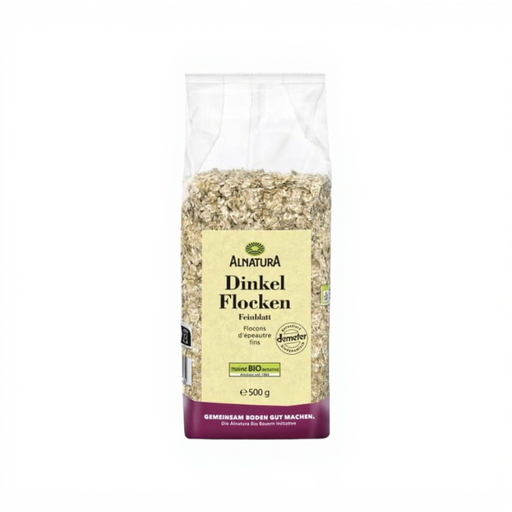
Alnatura organic fine spelt flakes, 500 g
An alternative to oat flakes if you’d prefer spelt flakes as a breakfast base. Spelt is a type of wheat, so it’s particularly important to check the pack if your child has a related allergy or intolerance.
Flake type: fine. Pack size: 500 g. Check the texture once prepared, too.
View at Joybuy
 No image available
Jeden Tag coarse oat flakes, 500 g
For families who prefer coarser oat flakes. Before serving, take particular care to check that the piece size and texture once prepared are suitable for your child’s chewing ability.
Flake type: coarse. Pack size: 500 g.
View at Joybuy
 No image available
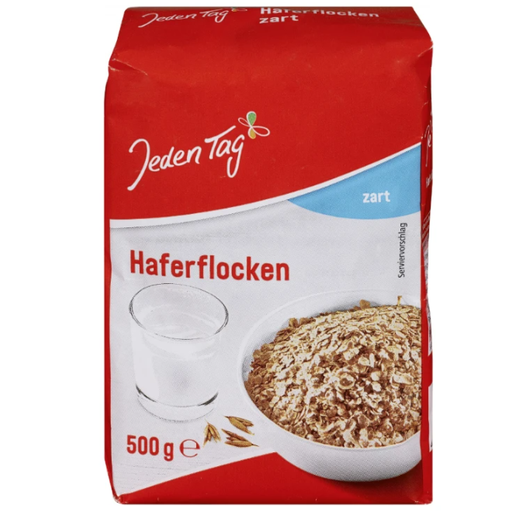
Jeden Tag fine oat flakes, 500 g
Another fine oat flake option for an easy-to-prepare breakfast base. Check the texture before serving and, if you have questions about allergies or intolerances, check the current pack.
Flake type: fine. Pack size: 500 g.
View at Joybuy
Frequently asked questions
Does a toddler need cereals specifically marketed for children?
No, special children’s products aren’t necessary for a balanced diet for healthy toddlers. The guidance from the Healthy Start Network also includes ordinary cereal products. For each individual product, the ingredients, sugar information and suitable texture are what matter.
Does ‘no added sugar’ also mean low in sugar?
No, the claim alone doesn’t tell you the product’s total sugar content. Read the ingredients list and compare the ‘of which sugars’ figure per 100 g for similar products.
Are whole nuts or hard pieces suitable in muesli for toddlers?
Whole nuts, larger pieces of nut and other hard ingredients can pose a risk of choking or aspiration for toddlers. Check the actual piece size in crunchy muesli and, if you’re unsure, choose a softer preparation that’s suitable for your child.
How can I identify cereals containing gluten on the pack?
Cereals containing gluten must be listed and highlighted as allergens in the ingredients list, as explained by the German Food Federation in its guidance on allergen labelling. A voluntary warning about possible traces is different; if your child has a diagnosed allergy or intolerance, follow the information for the specific product.


