People focused on wholegrains and sugar
You want to compare wholegrain ingredients and sugar levels for your weekend breakfast, rather than relying solely on claims on the front of the pack.


For a weekend breakfast focused on wholegrains, a muesli mix or cereal that clearly lists wholegrain ingredients is a good place to start. Then compare the sugar per 100 g and the ingredients in the specific variety: a sweet cinnamon cereal may appeal to your taste, but it has a different nutritional profile from a plain muesli base. If you need to avoid certain ingredients, check the labelling on the pack you’re buying.
You want to compare wholegrain ingredients and sugar levels for your weekend breakfast, rather than relying solely on claims on the front of the pack.
You want crunchy flakes or cinnamon cereal that everyone will enjoy at the breakfast table. At the same time, you’d like to know how the specific variety compares in terms of wholegrain content and sugar.
The types of grain, other ingredients and allergen information on the pack you actually buy are what matter, especially with mixes or recipes that may have changed.
First decide what matters most for your weekend breakfast. Then compare only the specific varieties that meet your needs, looking at their ingredients and nutrition information.
| What matters to you | What to check when buying | Who it matters most to |
|---|---|---|
| Wholegrain content | The wholegrain percentage and the types of grain listed in the ingredients. | I want a clearly identifiable wholegrain base, rather than trying to judge from the colour or packaging. Around 31 % of consumers put wholegrains first. |
| Sugar | Sugar per 100 g and sweetening ingredients such as syrup, honey or dried fruit. | If I want to add sweetness myself, the sugar content of the base product matters more to me than a comparative marketing claim. This is the top priority for around 31 % of consumers. |
| Taste and texture | Whether you want a plain muesli mix, crunchy flakes or a cereal that’s already flavoured. | I want the chosen variety to suit everyone at the breakfast table without having to put it together myself. Around 23 % of consumers put this first. |
| Ingredients and allergens | Types of grain, other ingredients and allergen information on the current pack. | I need to avoid certain ingredients, so the specific ingredients come before taste or wholegrain content. This is the top priority for around 15 % of consumers. |
The term does not indicate the same wholegrain content in every variety. According to the manufacturers, Kölln Mühlenklassiker Vollkorn Basis Müsli contains 88 % wholegrain, Nestlé FITNESS contains 61,1 % wholegrain wheat and CINI MINIS contains 33 % wholegrain.
Check the percentage and wholegrain ingredients for the exact variety you’re planning to buy.
A comparison with another product doesn’t tell you how much sugar the cereal contains per 100 g. The Verbraucherzentrale also points out that ingredients such as syrup, honey and dried fruit can contribute to the sugar content.
Check the sugar per 100 g in the nutrition information alongside the ingredients list.
If a recipe changes, the ingredients may differ from those in a pack you bought previously. This is particularly important if you need to avoid certain types of grain, milk ingredients or nuts.
Check the ingredients and allergen information on the pack you’re actually using.
Nutrition information for dry cereal does not automatically describe a bowl served with milk, yoghurt, fruit or other ingredients.
First compare cereals using the same serving basis, then take any additions into account separately.
These examples show a range of products and product lines. You can’t determine a product’s wholegrain content or sugar level from the brand name alone.
The German brand website features products including Corn Flakes and sweeter cereals to suit different tastes.
These two varieties show why cinnamon cereal and wholegrain flakes shouldn’t be compared by brand name alone.
Spezial-Müsli 2 is a mix of wholegrain oat, wholegrain wheat and wholegrain spelt flakes.
The Swiss muesli brand offers organic, crunchy and protein ranges, each with a different style of muesli.
Here, MÜLLER is a retailer where you can compare different muesli and cereal brands, not a cereal brand in its own right.
This selection includes oats as a plain base, as well as muesli and cereal for a crunchy weekend breakfast. Whether wholegrains, sugar or particular ingredients matter most to you is something to decide by checking each product and its current packaging.
 Image unavailable
These coarse oats are a good choice if you’d like to put your own breakfast bowl together. If needed, compare the sugar per 100 g and check the allergen information on the pack.
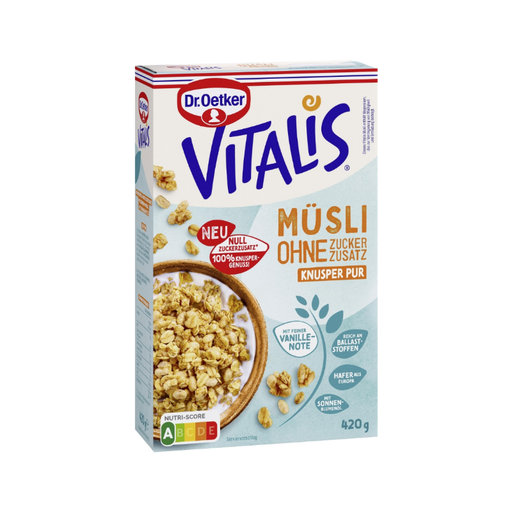 Image unavailable
This crunchy muesli is worth considering if you’d prefer a ready-made mix to plain flakes. Check the sugar per 100 g, wholegrain ingredients, sweeteners and nuts on the pack.
 Image unavailable
If you fancy a crunchy bowl of muesli, it’s worth checking the specific wholegrain ingredients. Don’t rely on “Less Sweet” alone when comparing sugar content: check the figure per 100 g and read the allergen information.
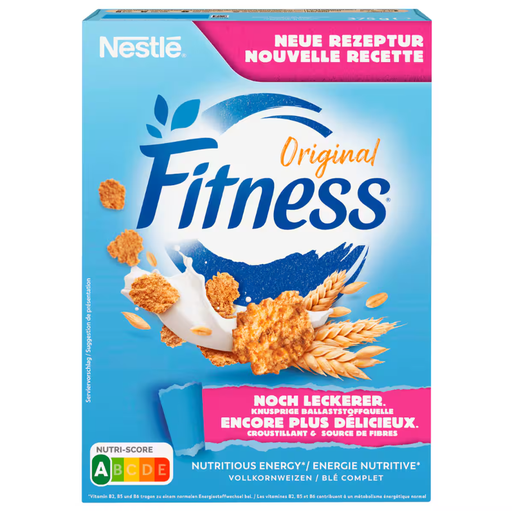 Image unavailable
This cereal is an option if you prefer flakes to muesli. Check the wholegrain content and sugar level on the specific pack; if you need to avoid certain ingredients, read the full allergen information too.
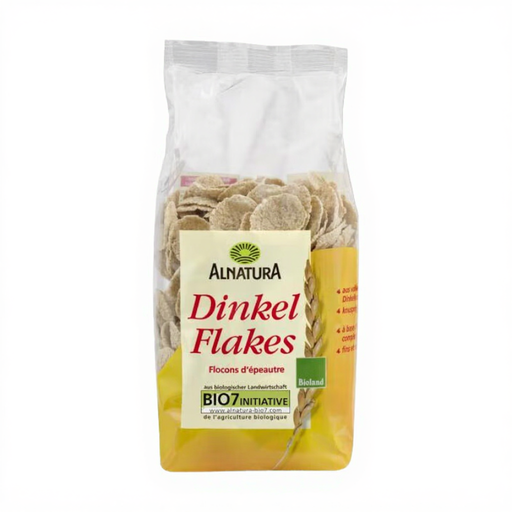 Image unavailable
Grain flakes can be used as a base for a breakfast bowl made to your own taste. Before choosing this product based on its ingredients or allergens, check the types of grain listed on the pack particularly carefully.
Look for a specific wholegrain claim and check which types of grain are identified as wholegrain in the ingredients list. The German Nutrition Society advises against judging wholegrain content by colour alone; its guidance on wholegrain bread cannot be applied to breakfast cereals across the board.
No. Also compare the sugar per 100 g. “Less” describes a comparison, not the product’s absolute sugar content; the ingredients list can also help you identify sweetening ingredients.
No. According to the Verbraucherzentrale, ingredients such as glucose syrup, honey, dried fruit and fruit juice can also contribute to the sugar content. So check the ingredients list and nutrition information per 100 g together.
The current ingredients list and allergen information for the specific variety are what matter. Check the types of grain and any other relevant ingredients listed; if you buy it again, don’t rely solely on an older pack.