If wholegrain is your top priority for a sweet breakfast, choose cornflakes or cereals that clearly state their wholegrain content, then compare sugar and fibre per 100 g. Unsweetened cornflakes give you the freedom to choose your own sweet toppings, but that doesn’t automatically make them wholegrain. With sweet cinnamon cereals, it’s worth checking the wholegrain content and sugar separately.
Which cereals are right for you?
Wholegrain-focused breakfast fans
You’re looking for crunchy cereal for a sweet breakfast, but want to know exactly how much wholegrain it contains. In that case, check the ingredients and the sugar and fibre figures per 100 g rather than judging by the colour of the packaging.
Fans of customisable corn-based cereal
You want to combine unsweetened cornflakes with fruit, yoghurt or other toppings, and choose how sweet your breakfast is. If wholegrain matters to you too, check for it separately from the sugar content.
Cinnamon cereal lovers
Sweet cinnamon flavour comes first for you, but you’d also like a stated wholegrain content. Compare the actual wholegrain content and sugar figures rather than choosing on flavour alone.
What should you look for when buying?
First decide whether wholegrain content, choosing your own sweetness or cinnamon flavour matters most to you. Then compare the ingredients and nutritional values of the specific product. If you have allergies, the ingredients and allergen information take priority.
| Your priority |
What to check |
Who it matters to |
| Wholegrain and fibre |
Check the stated wholegrain content in the ingredients list, as well as fibre and sugar per 100 g. |
If I want wholegrain to be the focus of my sweet breakfast, I need a specific figure rather than an impression based on the packaging. This is the top priority for around 42% of consumers. |
| Choosing your own sweetness |
Compare sugar per 100 g and check the ingredients list separately for wholegrain. |
If you prefer to control the sweetness with fruit or other toppings, start by looking for a suitable unsweetened base. This is the priority for around 33% of consumers. |
| Sweet cinnamon flavour |
Compare wholegrain content and sugar on the same basis, and take toppings in your portion into account. |
If cinnamon flavour matters most to me, I still want to know how much wholegrain the cereal contains. Around 17% of consumers put this combination first. |
| Allergens and ingredients |
Read the current ingredients list, highlighted allergens and any precautionary allergen information on the packaging. |
If I have a food allergy that affects me, I need to check the specific product before considering taste and nutritional values. This is the main priority for around 8% of consumers. |
Common comparison mistakes
-
Assuming unsweetened means wholegrain
A low sugar figure doesn’t tell you whether the grain used is labelled as wholegrain. REWE lists 99% maize for its unsweetened organic cornflakes, while EDEKA lists 99.4% maize for its equivalent organic variety.
Check the sugar figure and wholegrain labelling separately. Unsweetened cornflakes can be a base for adding your own toppings without answering the question of whether they’re wholegrain.
-
Assuming a partial wholegrain content means a high content
Nestlé Cereals Deutschland lists 36.6% wholemeal wheat flour for Cini Minis and 61.1% wholegrain wheat for FITNESS. A general wholegrain claim doesn’t tell you how these figures differ.
Compare the stated content of the specific varieties if wholegrain is a key factor in your decision.
-
Comparing sugar figures for different portion sizes directly
Portion sizes aren’t always based on the same amount: Nestlé FITNESS lists a 30 g portion, while Kellogg's Corn Flakes lists a 24 g portion. That means the sugar figures per portion aren’t directly comparable.
Start by comparing the nutritional information per 100 g, then take your actual portion size and any milk, yoghurt or toppings into account.
-
Checking allergens against old product images
The ingredients that matter for an allergy are listed on the current packaging. Product images or a pack you bought previously may not reflect the ingredients in the product you have now.
Before buying, read the ingredients list, highlighted allergens and any precautionary allergen information on the specific pack.
Brands and product ranges at a glance
Nestlé FITNESS
A range of wholegrain cereals for a sweet breakfast, with a specific wholegrain content stated.
- Nestlé Cereals Deutschland lists 61.1% wholegrain wheat, 9.4 g fibre and 8.8 g sugar per 100 g for FITNESS.
- These product details refer to the German recipe shown. Check the figures and the information about wheat, barley malt extract and possible traces of milk or nuts on your pack.
Nestlé Cini Minis
Cinnamon cereal for shoppers who love a sweet flavour and are also looking for a stated partial wholegrain content.
- Nestlé Cereals Deutschland lists 36.6% wholemeal wheat flour.
- According to the manufacturer, a 30 g serving without milk contains 7.2 g of sugar. Don’t compare this figure directly with different portion sizes without converting it first.
Kellogg's
The product ranges considered here have different grain bases: classic corn-based Corn Flakes and Special K, which contains wholegrain cereals.
- Kellogg's Deutschland lists wholegrain wheat, barley and rice for Special K.
- For Kellogg's Corn Flakes, the brand lists maize, barley malt, sugar and salt. If you want to compare Special K Classic by wholegrain content and nutritional values, check the specific pack.
REWE Bio
Unsweetened cornflakes as a base for a breakfast with toppings of your choice.
- REWE lists 99% maize and less than 0.5 g sugar per 100 g for its unsweetened organic cornflakes.
- The maize content alone doesn’t mean the product is wholegrain. If you have relevant allergies, also check the packaging for information about possible traces.
EDEKA Bio
Unsweetened organic cornflakes for a breakfast where sweetness comes from the toppings you choose.
- EDEKA24 lists 99.4% maize and 0.6 g sugar per 100 g for its unsweetened organic cornflakes.
- The maize content isn’t a wholegrain claim. The product information lists possible traces of gluten, milk, nuts and soya, among other things; always check the current packaging.
Joybuy products for these breakfast options
These products suit different choices for a sweet breakfast: cereals with a wholegrain focus, a chocolate and caramel option, and unsweetened cornflakes to customise. For each one, check the information on the specific pack, especially if wholegrain content or ingredients are important to you.
 No image available
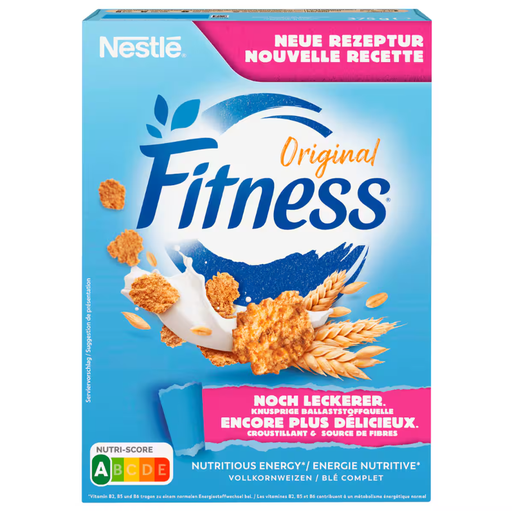
Nestlé Fitness Original wholegrain cereal, 375 g
An option for anyone specifically looking for wholegrain cereal for a sweet breakfast.
Pack size: 375 g. Check the wholegrain content, fibre and ingredients against the current packaging before buying, as different recipe figures are available for this product.
View at Joybuy
 No image available
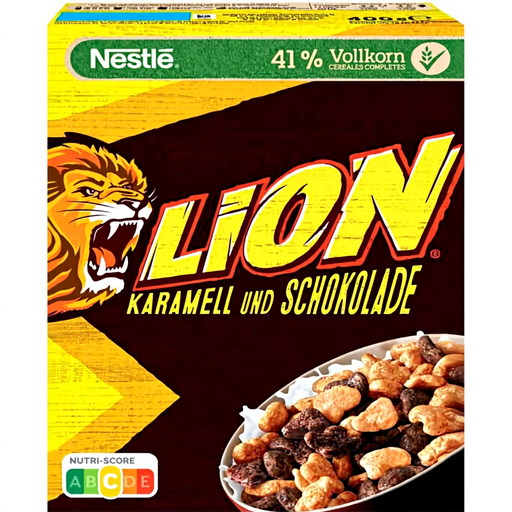
Nestlé Lion Caramel & Chocolate cereal, 400 g
A cereal option if chocolate and caramel flavour is the star of your sweet breakfast.
Pack size: 400 g. Check the sugar per 100 g, wholegrain content and ingredients on the current packaging before comparing it with less sweet options.
View at Joybuy
 No image available
Alnatura organic unsweetened cornflakes, 300 g
An unsweetened cornflake base for choosing your own ingredients to add a sweet flavour.
Pack size: 300 g. Check separately for any wholegrain claim. If you have allergies, pay attention to the ingredients and precautionary allergen information on the current packaging.
View at Joybuy
Frequently asked questions
How can I tell whether cornflakes and cereals are wholegrain?
Look for an explicit wholegrain claim and read the ingredients list on the specific pack. For example, Nestlé Cereals Deutschland lists 61.1% wholegrain wheat for FITNESS and 36.6% wholemeal wheat flour for Cini Minis; the colour of the cereal doesn’t tell you the percentage.
Are unsweetened cornflakes automatically wholegrain?
No. “Unsweetened” and “wholegrain” describe different things. REWE and EDEKA list mainly maize for the unsweetened organic cornflakes considered here, so check for a wholegrain claim as well as the sugar figure.
How do I compare sugar figures for different portion sizes?
Start by comparing sugar per 100 g. Nestlé lists a 30 g portion for FITNESS, while Kellogg's lists a 24 g portion for Corn Flakes. For your finished breakfast, also factor in the amount of cereal you actually use and the nutritional values of your toppings.
What should I check if I have a food allergy?
Read the ingredients list and highlighted allergens on the current packaging, along with any precautionary allergen information. The European Union explains how allergenic ingredients are highlighted in ingredients lists; a product image is no substitute for the information on the pack.


