Packaged wholemeal rye bread
A good choice if: You want to serve bread without having to bake it and can check the slices before buying.
What to consider: The ingredients help you choose, but don’t tell you how thick the slices are.


Wholemeal bread is a good choice for a bratwurst evening if you can check the actual slice thickness as well as the ingredients and type of bread. Packaged or fresh bread is ready to serve without any baking, but you should check the thickness on the product or in the shop. With a bread mix, you can choose how thick to cut the loaf yourself, but you’ll need time to prepare and bake it.
A good choice if: You want to serve bread without having to bake it and can check the slices before buying.
What to consider: The ingredients help you choose, but don’t tell you how thick the slices are.
A good choice if: You can look at the loaf in the shop and ask for an unsliced loaf or a suitable cut.
What to consider: You’ll need to check in store whether a suitable wholemeal variety is available and whether it can be cut the way you want.
A good choice if: You want to bake the bread yourself and then cut it as thick as you need for your toppings.
What to consider: The mix isn’t ready to serve, so allow time for preparation and baking, and make sure you have the right equipment.
| What to consider | What to check when buying | Who it matters most to |
|---|---|---|
| Slice thickness | Look at the slices or the cut end of the loaf. If the bread is unsliced, ask whether you can cut it thickly yourself. | For bratwurst and toppings, I want slices whose thickness I can check before serving. Around 50% of consumers put slice thickness first when shopping for this meal. |
| Ingredients and allergens | Read the ingredients list and the allergen and trace warnings for the specific variety. | If guests need to avoid certain ingredients, I need clear information about the bread I choose. This check is a priority for around 30% of consumers. |
| Freshness and leftovers | Choose an amount of bread that suits your group, and follow the storage advice on the packaging. | For a smaller group, I want to buy enough bread for the number of guests and store any leftovers sensibly; this comes first for around 20% of consumers. |
The type of bread doesn’t tell you how thick the slices are. Even bread with suitable ingredients may be cut more thinly than you’d like for your toppings.
Check the slices on the product or in the shop. If you want to choose the thickness yourself, ask for an unsliced loaf.
Grain types and allergen information vary from one bread to another. An organic label doesn’t replace checking the ingredients of the specific product.
If you’re buying for guests with allergies, read the ingredients list and the allergen and trace warnings on the pack you’re actually buying.
A large amount of bread may not be eaten in time if you’re catering for a small group. How you store it also affects how useful the leftovers will be.
Plan the amount according to the number of guests and follow the storage advice. The consumer advice centre generally recommends keeping bread at room temperature in a dry place away from light; any bread with mould should be thrown away in its entirety.
Any leftovers you don’t eat will take up storage space or need to be frozen in portions.
Packaged wholemeal rye bread for anyone who wants to compare ingredients before shopping.
A wholemeal bread mix for households that want to bake and slice their own loaf.
An in-store bakery range for anyone who wants to look at the bread while shopping.
A retailer with product information on bread and bread mixes, making it easier to compare ingredients before shopping.
These two bread mixes are a good fit if you want to bake your own bread: once it’s baked, you can slice the loaf yourself for your bratwurst evening. Compare the ingredients and preparation time before choosing.
 Image unavailable
For baking your own loaf, which you can slice to your preferred thickness once it’s ready.
1 kg bread mix. The bread needs to be prepared and baked before serving, so follow the preparation instructions.
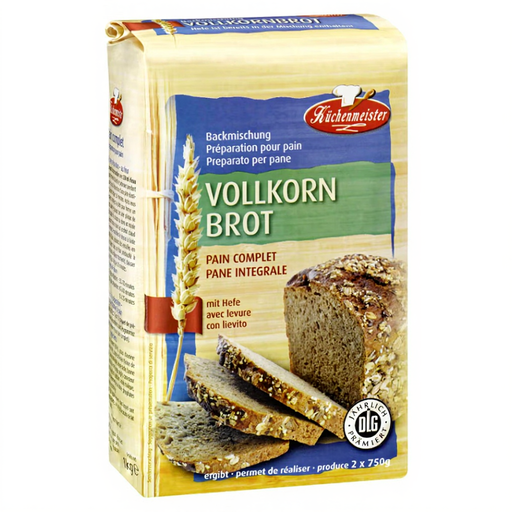 Image unavailable
For anyone who wants to bake their own bread and slice it to suit their toppings afterwards.
500 g bread mix. If the exact grain composition matters to you, check the ingredients list rather than relying on the product name alone. The mix needs to be prepared and baked before serving.
No, the name doesn’t tell you how thick the slices are. Check the slices before buying, or ask for an unsliced loaf if you’re buying bread from an open bakery counter and want to cut it thickly yourself.
Check the ingredients list and the allergen and trace warnings for the specific variety. Don’t rely on the colour of the bread, the brand name or a general description of the range.
A bread mix lets you cut the finished loaf to your preferred thickness. It’s only a good option if you can allow time to prepare and bake it before your bratwurst evening. Check the ingredients and preparation instructions too.
Store leftovers according to the instructions on the packaging. The consumer advice centre generally recommends keeping bread at room temperature in a dry place away from light; freezing it in portions is one way to deal with leftovers. If you can see mould, throw away the whole loaf.