Hosts who want to get the bread basket right
You want wholemeal bread to be a centrepiece of your Easter meal, so you’re paying particular attention to the type of bread, its crust and whether it’ll go with the toppings you plan to serve.


Fresh bakery bread could be a good choice for Easter lunch if you check in advance that the bakery has the type of wholemeal bread you want and arrange collection. Packaged rye wholemeal bread makes it easier to shop before the bank holiday and check the labelling, while a bread mix is a good option if you want to bake your own in time. The key things to consider are the type of bread, its ingredients and allergen information, and when it needs to be ready to serve.
You want wholemeal bread to be a centrepiece of your Easter meal, so you’re paying particular attention to the type of bread, its crust and whether it’ll go with the toppings you plan to serve.
You’re shopping before Sunday and want to be able to check the storage instructions, shelf life and ingredients of the specific loaf.
Before serving, you need to check which grains, other ingredients and potential traces may be relevant to your guests.
First, decide whether you need bread that’s ready to serve or want to bake it yourself before the meal. Then consider your guests’ preferences, the labelling on the specific product and when you’ll be shopping.
A good choice if: You want to pick a particular freshly baked loaf for the bread basket.
Keep in mind: You’ll need to check with the bakery whether it has the type of wholemeal bread you want, and confirm its opening and collection times.
A good choice if: You want to shop before the bank holiday and compare the information on the packaging.
Keep in mind: Check the shelf life and storage instructions for the bread you choose.
A good choice if: You want to make the bread yourself before your Easter meal.
Keep in mind: The mix isn’t ready to serve, so allow time to prepare it according to the instructions on the pack.
| What matters | What to check | Who it matters to |
|---|---|---|
| Type of bread and bread basket | Check the specific type of bread, its grain base and the selection you want to offer at the table. | If the bread is a feature of the meal, I want to choose a type that goes with the planned toppings and suits my guests’ preferences. Around 31% of consumers would put the type of bread first. |
| Ingredients and allergens | Read the ingredients list and allergen information on the current packaging for every type you plan to serve. | If guests have specific dietary requirements, I need to check each loaf before serving. This would be a top consideration for around 23% of consumers. |
| Shopping and storage | Plan your shopping or collection in advance; check the shelf life and storage instructions for the specific bread. | If I can’t shop on Sunday, I need bread that can be stored appropriately until the meal. Around 31% of consumers would make planning their main priority. |
| Baking your own or choosing a variety | For bread mixes, check the preparation time and equipment needed; for packs with several varieties, check each one individually. | If I want to bake my own or offer several smaller loaves, I’m happy to put in some extra preparation. This would be the top priority for around 15% of consumers. |
The label alone doesn’t tell you which grains are used, what the ingredients and allergen information are, or how to get the bread from the shop to the table.
Compare the specific type of bread and its labelling. If you’re buying from a bakery, ask for details about the variety you want.
Shops are generally closed on Sundays and bank holidays, so don’t assume your preferred bakery or branch will be open.
Shop in advance or confirm opening and collection times directly with the shop. If you’re using a bread mix, remember to allow time to prepare it too.
The breads may differ in their grains, seeds and allergen information. The bread basket described by EDEKA contains five different types of bread.
If ingredients matter to your guests, check the labelling for each individual variety before serving.
Wholemeal bread doesn’t keep indefinitely. Verbraucherzentrale advises against routinely storing bread in the fridge, as it generally dries out more quickly there.
Plan how much you’ll need for the table, store the bread in a dry place at room temperature and freeze any leftovers if needed. If you can see mould, throw the whole loaf away.
Seitenbacher offers a wholemeal bread mix rather than a loaf that’s ready to serve.
The rye wholemeal bread described by REWE is a packaged 500-g product.
EDEKA describes a 500-g organic rye wholemeal bread made with natural sourdough and wholemeal rye meal.
The regional bakery describes its own bread ranges, with a focus on rye, seeds or spelt.
Here you’ll find a packaged wholemeal bread that’s ready to serve, along with two bread mixes to prepare before your Easter meal. The main thing to consider is whether you need ready-made bread or have time to bake your own.
 No image available
A ready-to-eat wholemeal bread if you’re looking for a walnut variety for your bread basket. Before serving, check the current ingredients and allergen information, as well as the best-before date.
 No image available
For baking your own spelt wholemeal bread before your Easter meal. The mix isn’t ready to serve, so allow time for preparation and baking according to the instructions on the pack, and check the current allergen information.
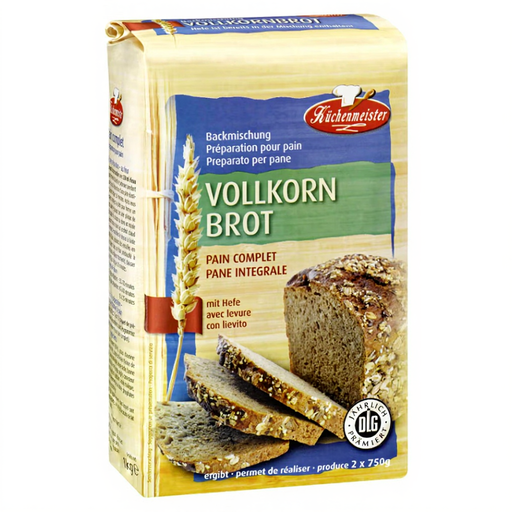 No image available
Another option for baking your own bread if you can plan the preparation before the bank holiday. Follow the proving and baking instructions on the pack, and check the ingredients and allergen information before serving.
Yes, as long as the shelf life and storage requirements of the specific bread suit your plans. Verbraucherzentrale gives seven to nine days as a general guide to how long rye meal and wholemeal breads stay fresh when stored in ideal conditions. This isn’t a guarantee for every pack.
It’s best to do your bread shopping before Sunday. Shops are generally closed on Sundays and bank holidays, so check directly with your chosen bakery to see whether it’s open as an exception.
Check the current labelling on each specific loaf before serving it. The product examples mentioned here contain different gluten-containing cereals, and some may also list other ingredients or potential traces. “Organic”, “sourdough” and “wholemeal” are no substitute for checking the allergen information.
Store bread at room temperature in a dry place away from light. According to Verbraucherzentrale, bread generally dries out more quickly in the fridge. If you can see mould, throw the whole loaf away.