Bread buyers looking for more fibre
If you want to choose wholemeal sliced bread, compare the product description and fibre per 100 g. The colour and grains on the surface are no substitute for this information.


For a weekly shop focused on fibre, the term ‘wholemeal’ tells you more than a dark colour or visible grains. Next, compare fibre per 100 g, ingredients and allergens, and choose a pack size that suits how many slices you’ll actually use. Soft toast, large sandwich loaves and denser sliced bread each suit different preferences.
If you want to choose wholemeal sliced bread, compare the product description and fibre per 100 g. The colour and grains on the surface are no substitute for this information.
If you regularly need slices for breakfast or packed lunches, you can choose a pack size to match how much you actually use. For example, REWE lists 500 g packs of wholemeal toast and 750 g packs of wholemeal wheat sandwich bread.
If you need to avoid certain ingredients or allergens, check the information on the specific pack. The breads listed differ in ingredients such as wheat and lupin flour, and in whether they may contain traces of sesame.
First, check that the product description and nutritional information match what you’re looking for in a wholemeal loaf. Then consider your weekly needs, the type of bread you prefer and the ingredients in the specific pack.
| What to check | What to look for | Who it matters to |
|---|---|---|
| Wholemeal content and fibre | Look for the term ‘wholemeal’ and compare fibre per 100 g. | If I’m specifically looking for wholemeal bread, a dark colour and visible grains aren’t enough to go on. Around 42% of consumers prioritise wholemeal content and fibre information. |
| Pack size and how much you’ll use | Match the pack weight to how many slices you expect to need, and check the best-before date and storage instructions. | I need enough slices for breakfast and packed lunches throughout the week, but don’t want a large pack going to waste. Getting the quantity right is the main concern for around 33% of consumers. |
| Ingredients and allergens | Check the ingredients list, highlighted allergens and any precautionary ‘may contain’ statements on the pack. | If I need to avoid certain ingredients or allergens, the current labelling determines which bread is suitable for my shop. This check comes first for around 25% of consumers. |
A dark colour, seeds or the term ‘multigrain’ don’t in themselves prove that a bread has a high wholemeal content. Lebensmittelklarheit refers to the guidelines for bread described as wholemeal, which state that at least 90% of the grain content should be wholegrain.
Start by reading the product description, then compare the ingredients and fibre per 100 g.
A 750 g pack is a good fit for your weekly shop only if you expect to use the slices. If your needs vary, a smaller pack may be more practical.
Estimate how many slices you’ll need for the week, and check the date and storage instructions on the pack.
A pack that’s the wrong size can mean leftover bread or an extra trip to the shops.
Breads of the same type can have different ingredients and precautionary allergen statements. For example, REWE lists lupin flour in its ja! wholemeal wheat sandwich bread, while possible traces of sesame are listed for Harry wholemeal toast.
Check the current ingredients and allergen information on each specific pack, even if you already know the brand.
The information below relates to specific listed breads, not every product from each brand. For an accurate comparison, always check the declaration on the individual pack.
REWE lists Harry wholemeal toast as wholemeal wheat toast bread in a 500 g pack.
The wholemeal wheat sandwich bread listed by REWE comes in a 750 g pack, suitable for households that use that many slices.
EDEKA sells both wholemeal toast and wholemeal sandwich toast under this own-label brand.
The listed wholemeal spelt bread is a 400 g sliced loaf for buyers looking for an alternative to toast slices.
EDEKA24 lists a 400 g pack of Mestemacher Organic Wholemeal Wheat Toast Bread.
This selection features breads for households considering pumpernickel or other denser loaves instead of soft toast for their weekly shop. To choose the right one, compare the current pack size, nutritional information per 100 g and ingredient labelling.
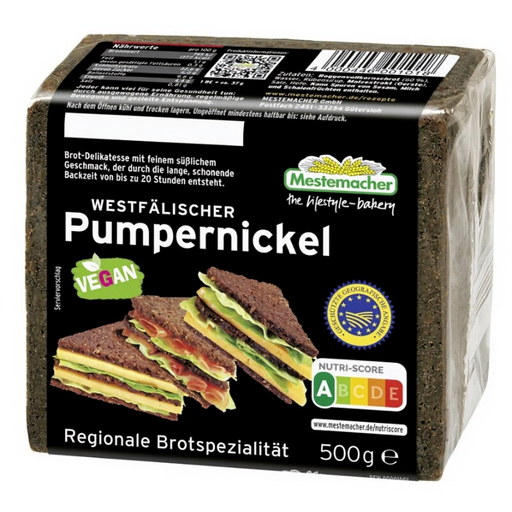 Image unavailable
A good option for your weekly shop if pumpernickel suits the bread meals you have planned better than toast. Compare fibre per 100 g and, if you have allergies, check the current labelling on the pack.
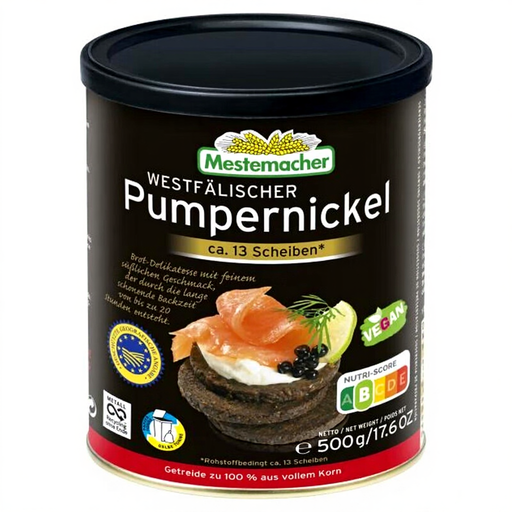 Image unavailable
Another pumpernickel option for households planning how much denser bread they’ll use. If allergens are important to your choice, check the labelling on the specific pack carefully.
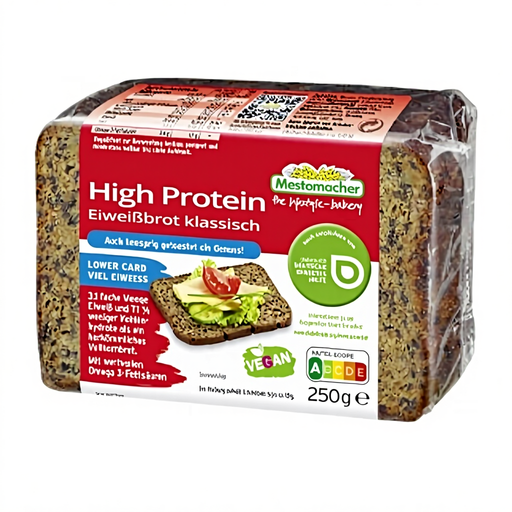 Image unavailable
The smaller pack may suit you if you don’t expect to use much bread. To compare fibre content, check the fibre per 100 g on the pack, along with the ingredients and allergen information.
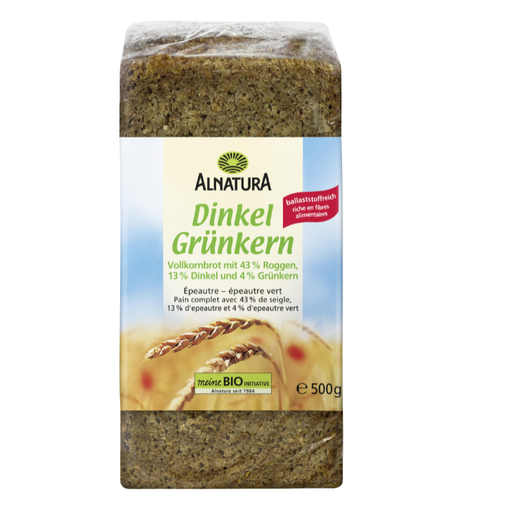 Image unavailable
An option if you’re looking for a spelt and green spelt loaf rather than toast for the week. Compare the wholemeal ingredients and fibre using the current pack, and read the allergen information before buying.
No. According to Lebensmittelklarheit, bread described as wholemeal should contain at least 90% wholegrain in its grain content under the relevant guidelines. A dark colour and visible seeds don’t prove this, so check the product description and ingredients list.
Compare the figures per 100 g rather than per slice, as slices can vary in size. The nutrition table on the specific pack gives you the right basis for comparison.
The right size depends on how many slices your household actually uses. A 500 g pack may suit a smaller or varying appetite, while a 750 g pack could work if you regularly use more. Also check the best-before date and storage instructions.
No. The information on the pack you’re buying is what matters. Check the highlighted allergens in the ingredients list and any precautionary ‘may contain’ statements again, even if you already know the product.