If you need bread ready to serve without any baking beforehand, ready-to-eat wholemeal rye sourdough bread is a good fit. If you’d rather buy a loaf from the in-store bakery on the day, check the wholemeal and sourdough details for the specific variety. Baking your own is an option if you have time to prepare it and loaf size or choice of ingredients matter more than serving it straight away. For Asian Night, bread is a considered savoury side, not a universally traditional accompaniment to Asian cuisines.
Which option is right for you?
Hosts short on preparation time
If you want bread on the table without waiting for dough to prove, ready-to-eat sliced bread or a loaf from the in-store bakery are the obvious choices. If you choose the latter, you’ll need to time your shop to when you plan to serve it.
Home bakers who want control over ingredients
If you want to choose the loaf size and how it’s made, you can opt for a wholemeal bread mix or ready-to-use sourdough. The types of grain and raising agents in a mix, however, are already decided for you.
Shoppers focused on ingredients and allergens
If specific grains or other ingredients matter to you, check the details for the exact bread you’re buying. Neither ‘wholemeal’ nor ‘sourdough’ tells you everything about the recipe.
What to look for when buying
Packaged wholemeal rye sourdough bread
A good choice if: you want to serve slices without any baking beforehand and need to compare ingredients on the packaging before buying.
Bear in mind: bread may contain other grains and ingredients. For example, Pema bread in the REWE range lists sweet lupin flour and possible traces of wheat.
Bread from the in-store bakery
A good choice if: you can shop close to serving time and want freshly purchased bread.
Bear in mind: Lidl lists sourdough breads as well as wholemeal and multigrain varieties in its in-store bakery range. Check the product to see whether a particular variety is both wholemeal and sourdough.
Bake your own with a mix or sourdough
A good choice if: you’re planning to bake your own loaf for Asian Night and have time to do so.
Bear in mind: a mix determines some of the recipe for you. Seitenbacher’s wholemeal bread mix, for example, contains dried baker’s yeast as well as sourdough.
| What matters to you |
What to check when buying |
Who it matters most to |
| Serve without baking beforehand |
Is the bread ready to eat, and are the shape of the slices and storage instructions right for how you plan to use it? |
If you want to serve the bread straight away with dips and spreads, there’s no time to prepare dough and bake it. Around 40% of consumers are likely to put being able to serve it straight away first. |
| Flavour and texture |
Compare the types of grain, seeds and sourdough details; a dark colour alone isn’t enough. |
I want to choose a bread whose grain base and texture go well with the savoury toppings I’ve put together. For around 30% of consumers, finding the right match is likely to be the main priority. |
| Ingredients and allergens |
For packaged bread, read the ingredients list and allergen information; for loose bread, ask for allergen information about the specific variety. |
If particular grains or other ingredients matter to me, I need to know the exact recipe before serving it. This check is likely to come first for around 20% of consumers. |
| Baking your own |
Check the pack size, any additional ingredients needed, the preparation instructions and whether it’s suitable for the baking equipment you have. |
I’m happy to do the preparation for a loaf I’ve planned myself rather than buy ready-made bread. This is likely to be the first choice for around 10% of consumers. |
Common misconceptions
-
Assuming dark bread is automatically wholemeal
Colour alone doesn’t tell you which grains the bread is made from. REWE makes this point in its information about wholemeal bread, too.
If wholemeal is important to your choice, check the product name and ingredients list instead of judging by colour.
-
Assuming sourdough means yeast-free or low in allergens
Sourdough and added yeast can both be used in the same recipe. The wholemeal bread mix described by Seitenbacher contains both; Pema bread lists sweet lupin flour and possible traces of wheat among its ingredients.
Check the ingredients and allergen information for each bread or bread mix individually.
-
Putting fresh bread in the fridge just in case
According to storage advice from the Verbraucherzentrale, bread can dry out more quickly in the fridge. So, if you have leftovers after Asian Night, it’s worth thinking about how long you plan to keep them.
Normally, store bread at room temperature in a dry place away from light. You can freeze any leftovers you won’t use soon in individual portions. Also follow the instructions on the specific packaging.
Brands and retailers to consider
Seitenbacher
For home bakers looking for a wholemeal bread mix or ready-to-use sourdough.
- Seitenbacher describes a wholemeal bread mix and a natural rye-based sourdough as two separate baking products.
- The mix includes specific grains and dried baker’s yeast, so sourdough here doesn’t mean ‘no added yeast’.
Lidl – Unser Brot
An in-store bakery range for picking up a loaf on the day you plan to serve it.
- Lidl lists breads made with natural rye sourdough, as well as wholemeal and multigrain varieties.
- Check the details for sourdough, wholemeal and allergens for your chosen variety at the individual store.
EDEKA
A place to compare labelled wholemeal breads by the specific grains they contain.
- EDEKA explains what wholemeal bread is and gives wholemeal rye breads as product examples.
- A wholemeal label alone doesn’t confirm that the bread you choose is sourdough; you’ll need to check the individual recipe.
REWE
A retailer where you can compare packaged bread and ingredients for home baking.
- REWE’s product pages describe both Pema wholemeal rye bread made with natural sourdough and a Seitenbacher baking product.
- These product examples don’t represent one standard sourdough bread recipe across the retailer’s range.
Pema
An example of ready-to-eat, packaged wholemeal rye bread labelled as containing natural sourdough.
- The bread described by REWE combines wholemeal rye with natural sourdough and needs no baking beforehand.
- The ingredients include other components, including sweet lupin flour, and may contain traces of wheat. If you have allergies, always check the labelling on the specific pack.
Products for home baking at Joybuy
These sourdough products are for the home-baking option you’ve planned. They aren’t ready-to-eat bread for Asian Night if you don’t have time to bake beforehand.
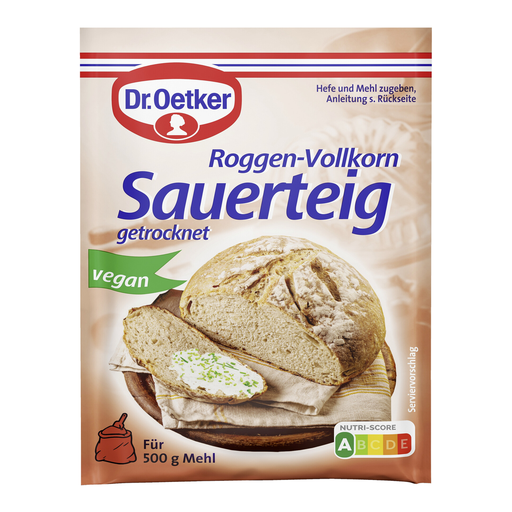 Image unavailable
Dr. Oetker dried wholemeal rye sourdough starter, 15 g
For baking your own loaf with dried wholemeal rye sourdough starter. The pack contains 15 g; you’ll also need flour and to follow the additional baking steps. If you have allergies, check the packaging for possible traces of spelt, and refer to the preparation instructions to plan your time and equipment.
View at Joybuy
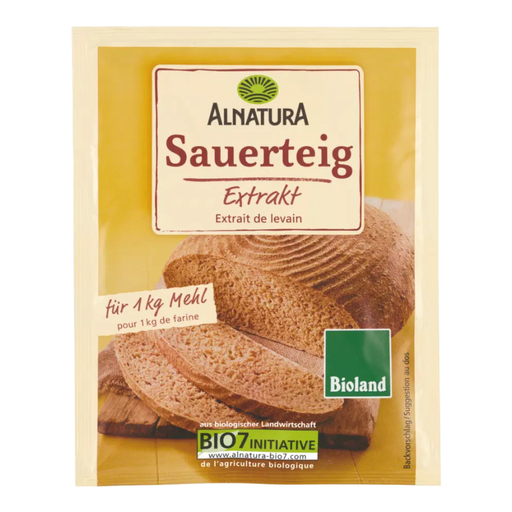 Image unavailable
Alnatura Organic dried rye sourdough extract, 15 g
For home bakers who want to include dried rye sourdough extract in their baking plans. The pack contains 15 g. According to the product description, the extract alone won’t make the dough rise. Follow the pack instructions for the dried yeast you’ll need and the other baking steps. If you have allergies, check the packaging for possible traces of almonds, nuts, celery and mustard.
View at Joybuy
Frequently asked questions
Does ‘wholemeal bread’ mean all the ingredients are wholemeal?
No. The label doesn’t describe the bread’s complete recipe. Lebensmittelklarheit explains that ‘wholemeal’ refers to the grain content; check the ingredients list for the other ingredients and types of grain used in the specific product.
Is sourdough bread automatically made without added yeast?
No. Sourdough and added dried baker’s yeast can be used together, as shown by the wholemeal bread mix described by Seitenbacher. If added yeast matters to your choice, check the ingredients list.
How should I store leftover bread after Asian Night?
Bread can usually be stored at room temperature in a dry place away from light. If you plan to keep it for longer, you can freeze leftovers in individual portions. The Verbraucherzentrale notes that bread can dry out more quickly in the fridge. For packaged bread, also follow the storage instructions for that specific product.
Where can I find allergen information for packaged and in-store bakery bread?
For packaged bread, check the ingredients list and allergen information on the pack. For loose bread from an in-store bakery, ask for allergen information about the exact variety you’ve chosen. The Verbraucherzentrale distinguishes between packaged and loose goods when it comes to food labelling.


